Waikīkī–Diamond Head Coin
$49.99
View coinFrom Waikiki's surf lineup to Lanikai's powder-soft sand — with the 2026 parking rules and reservation systems you actually need to know.
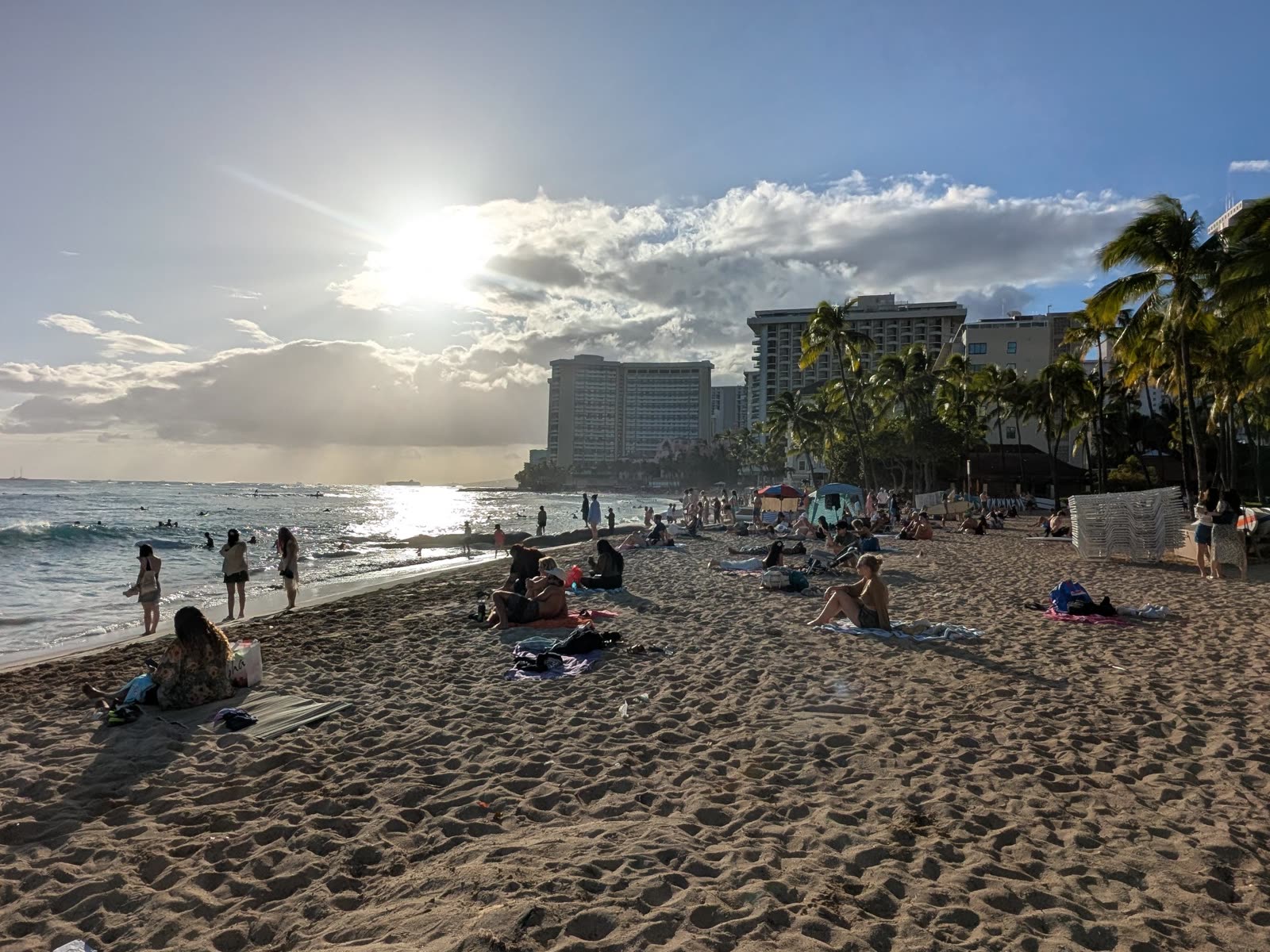
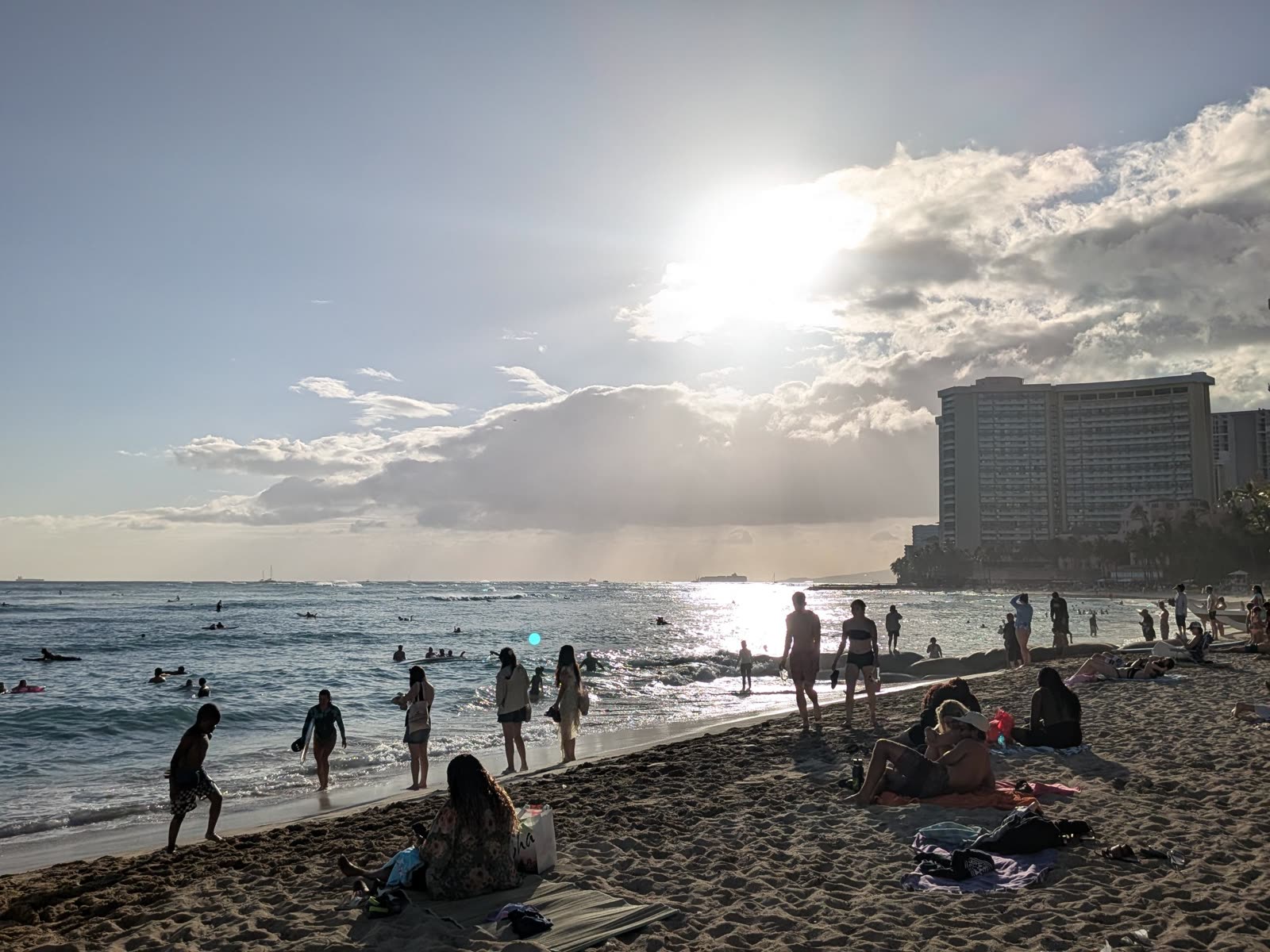
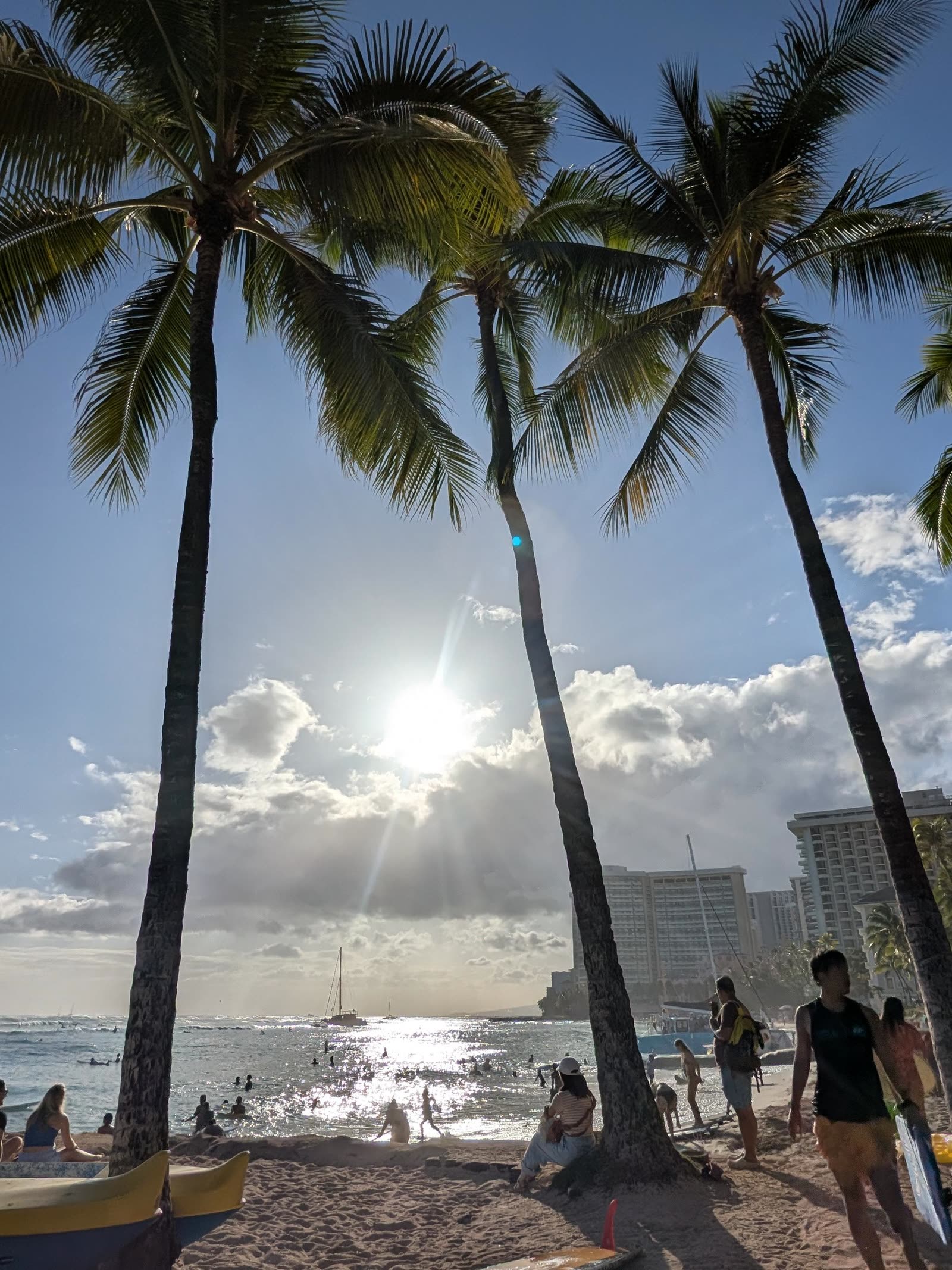
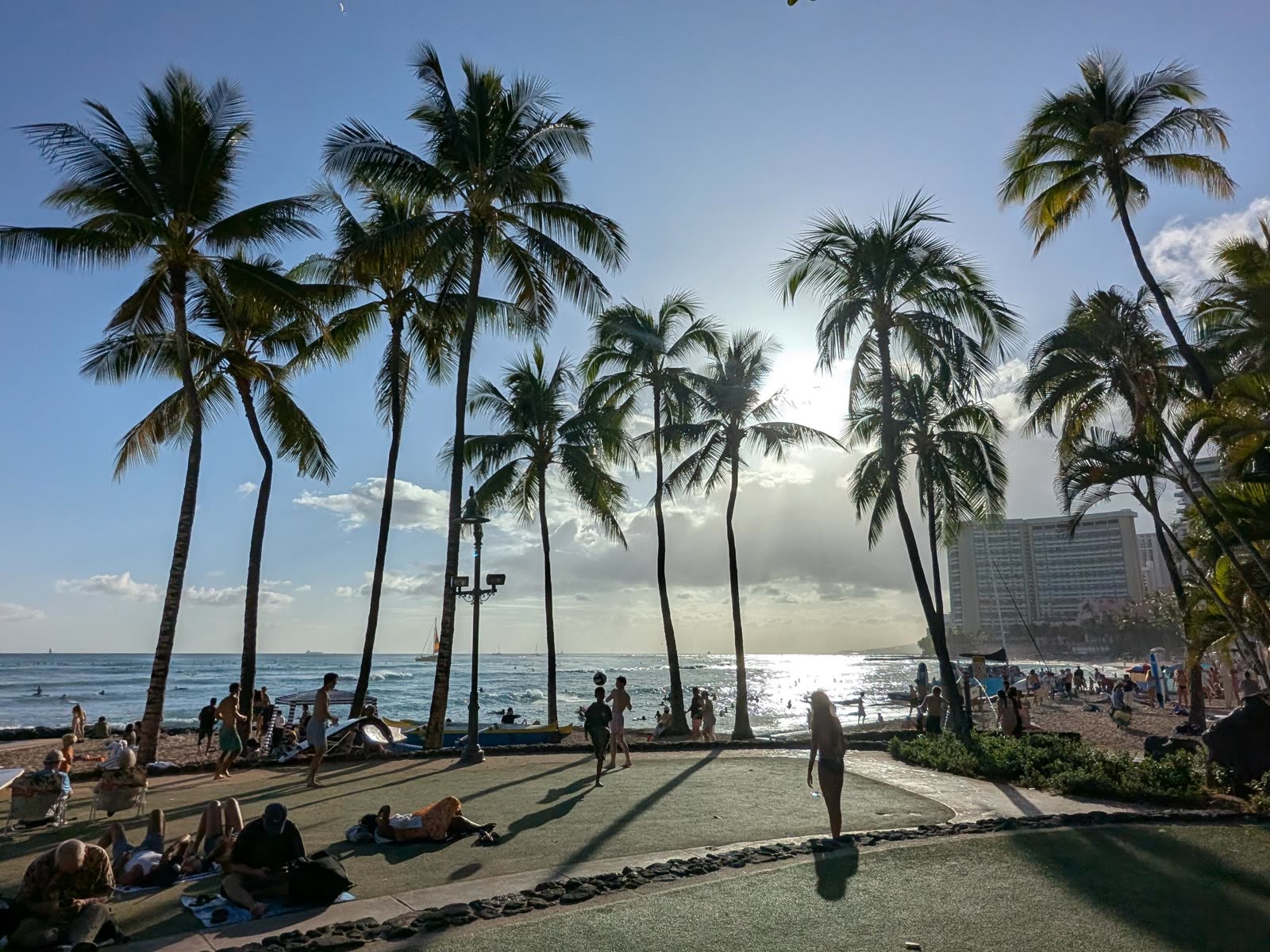
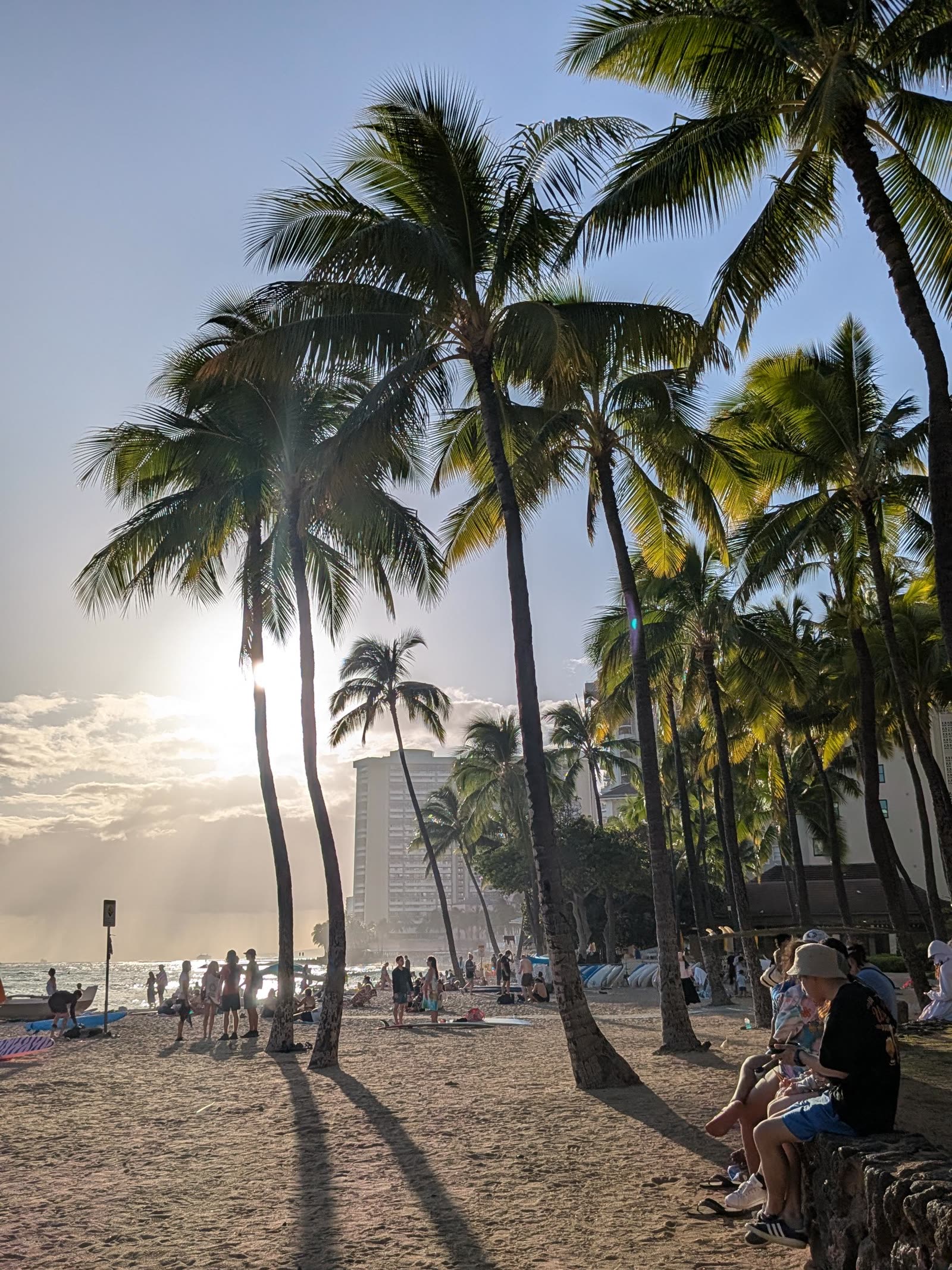
Oahu's most famous stretch of sand is a public shoreline that never closes — no gates, no tickets, no admission fee. Lifeguard services run roughly 9:00 AM to 5:30 PM, and the water is swimmable year-round on the calm south shore.
Early mornings and late afternoons are the least crowded; sunset is the popular hour. If you can pick your season, late spring (April–June) and fall (September–early December) balance good weather with lighter crowds than peak summer and winter holidays.
A few rules that catch visitors off guard: no public alcohol, no smoking on the beach, and no pets on the main stretches — and use reef-safe sunscreen.
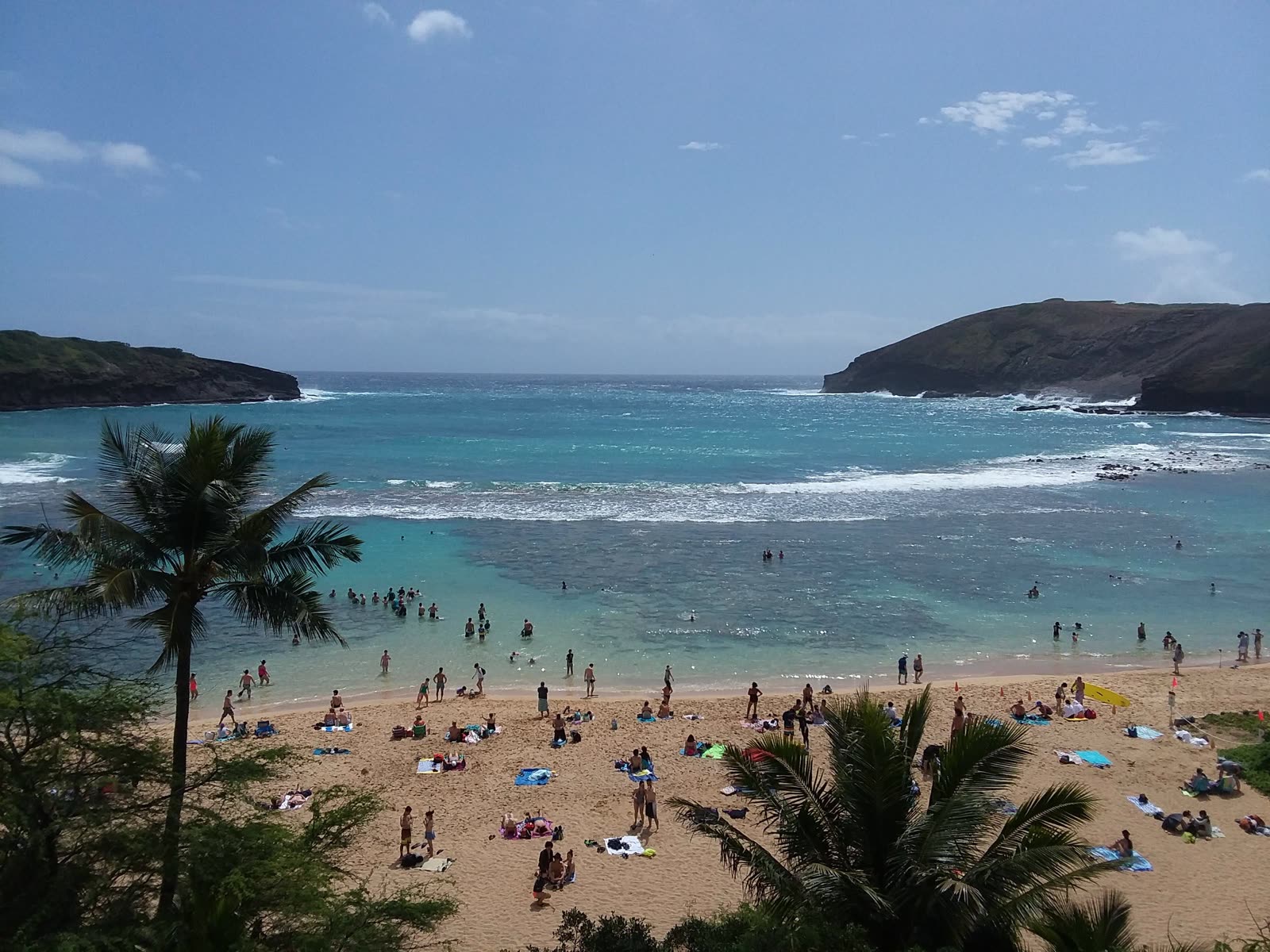
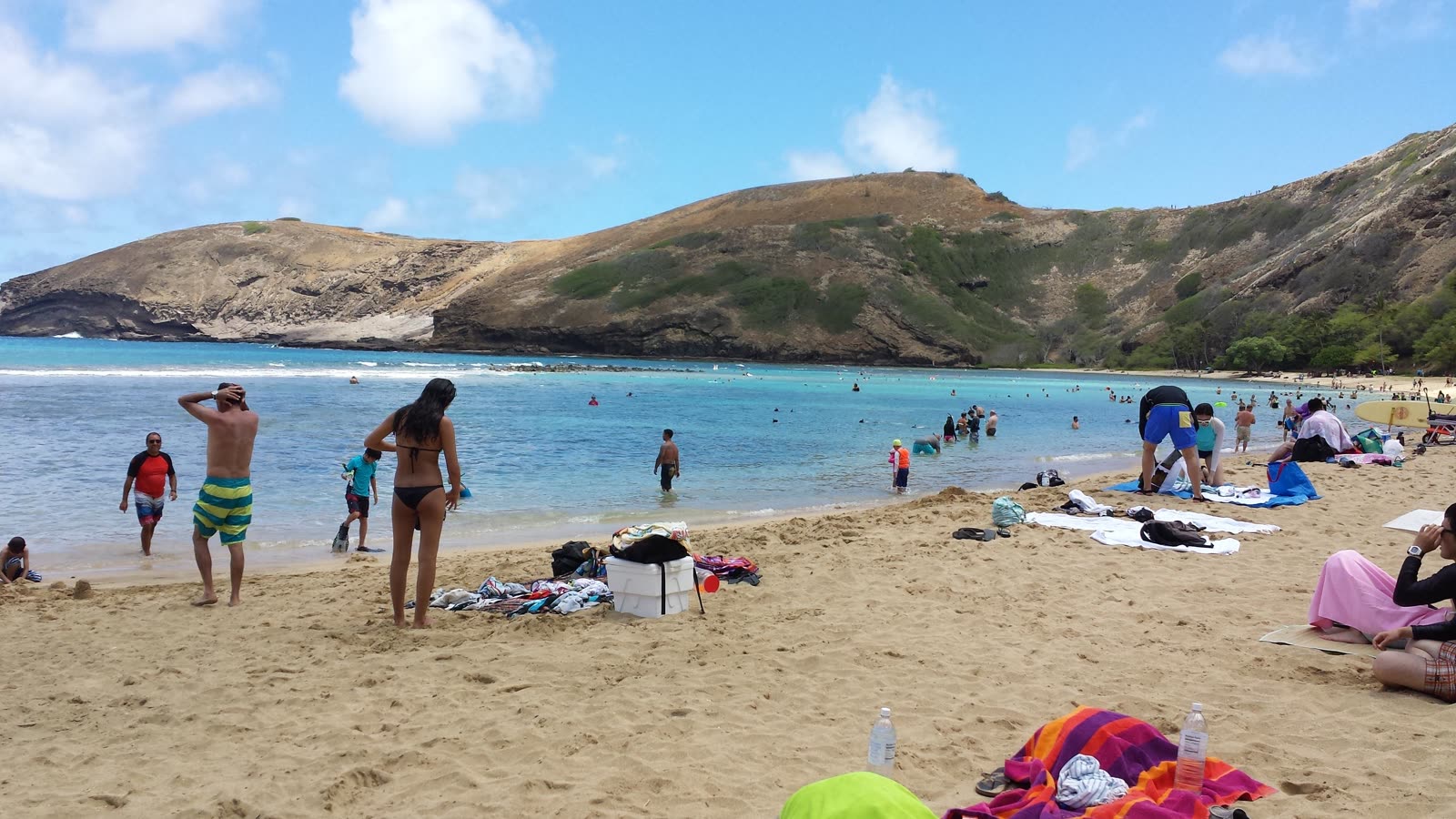
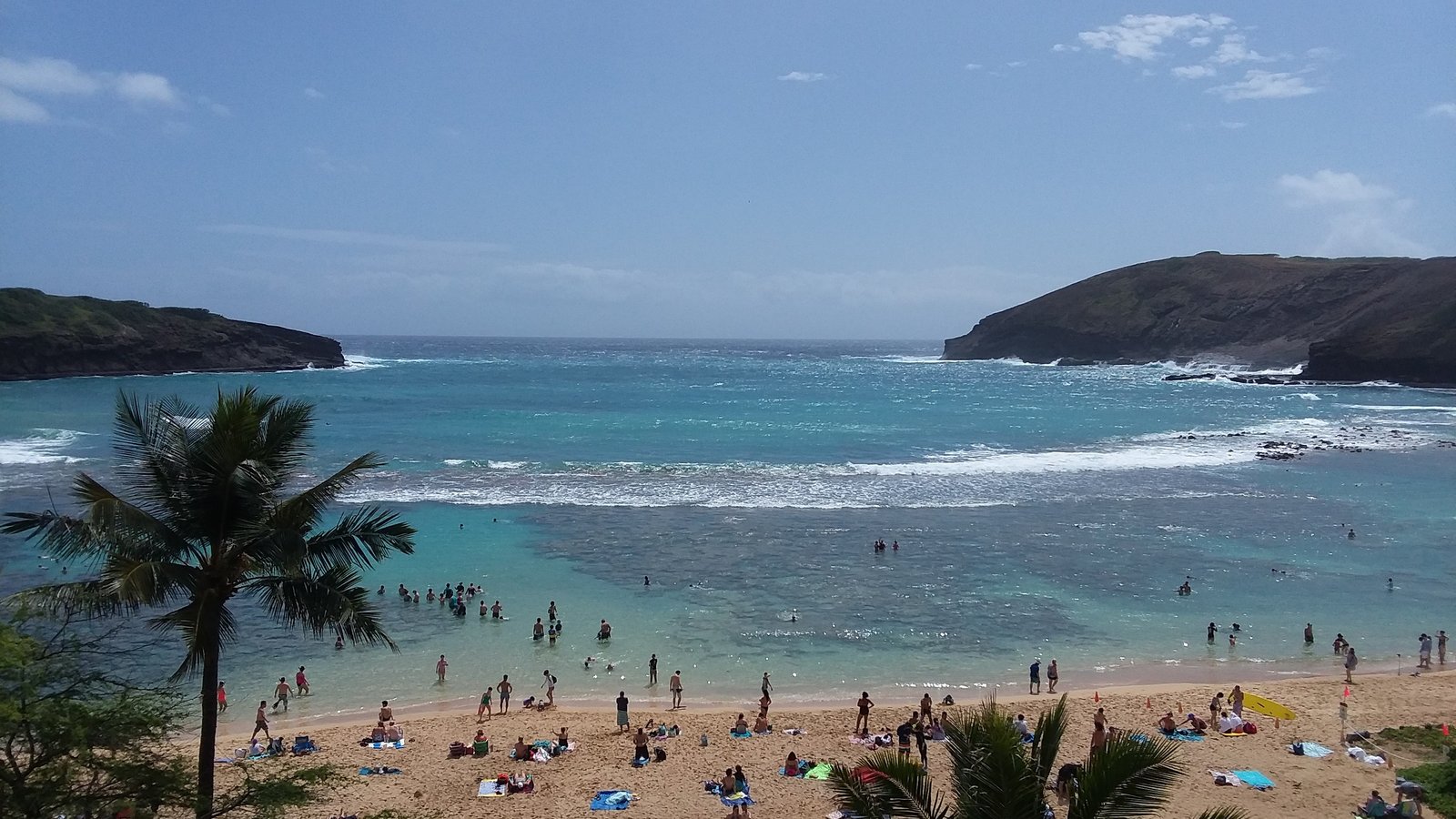
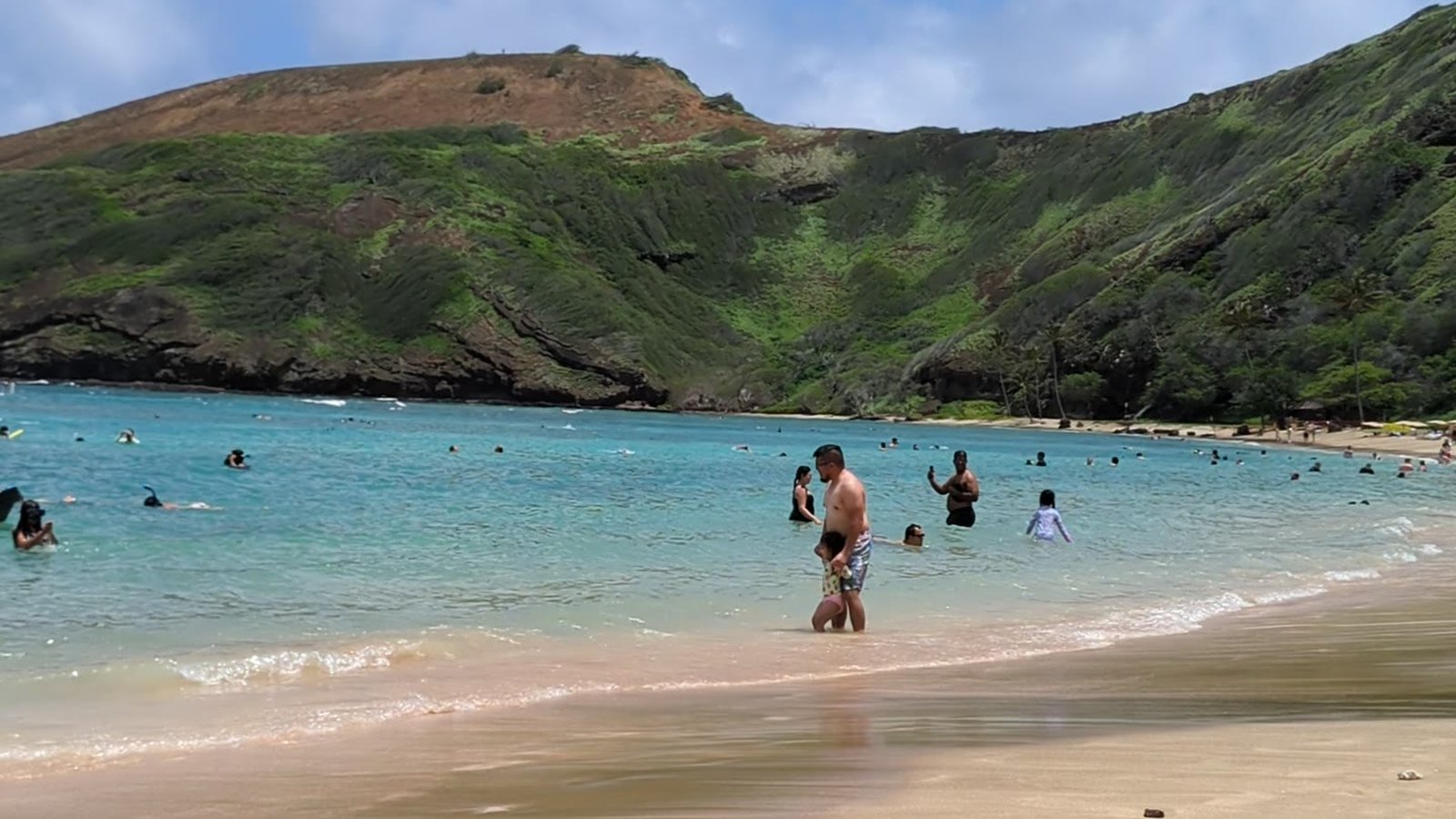
Hanauma Bay is the one beach on this page you cannot just show up to. Non-resident reservations release exactly 48 hours in advance at 7:00 AM HST and sell out in minutes — 720 slots a day, up to 10 people per booking.
The preserve is open Wednesday through Sunday only — closed Monday and Tuesday — from 6:45 AM to 4:00 PM, and last entry is 1:30 PM sharp. Late arrivals get turned away, no exceptions.
Before you touch the sand you'll watch a mandatory ~9–10 minute conservation video, the tram ride down is included in admission, and parking is $3 cash per vehicle — not included in your reservation.
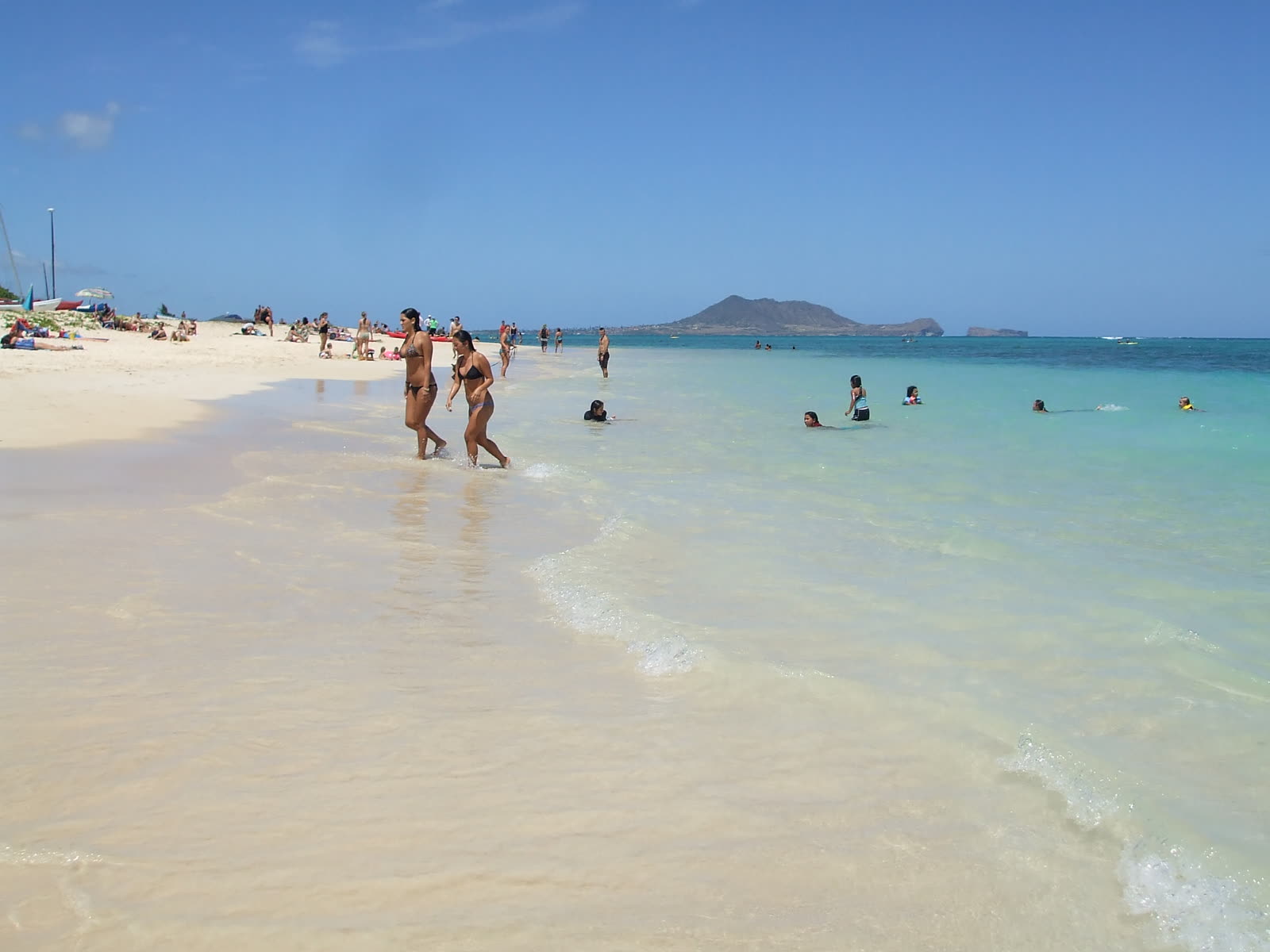
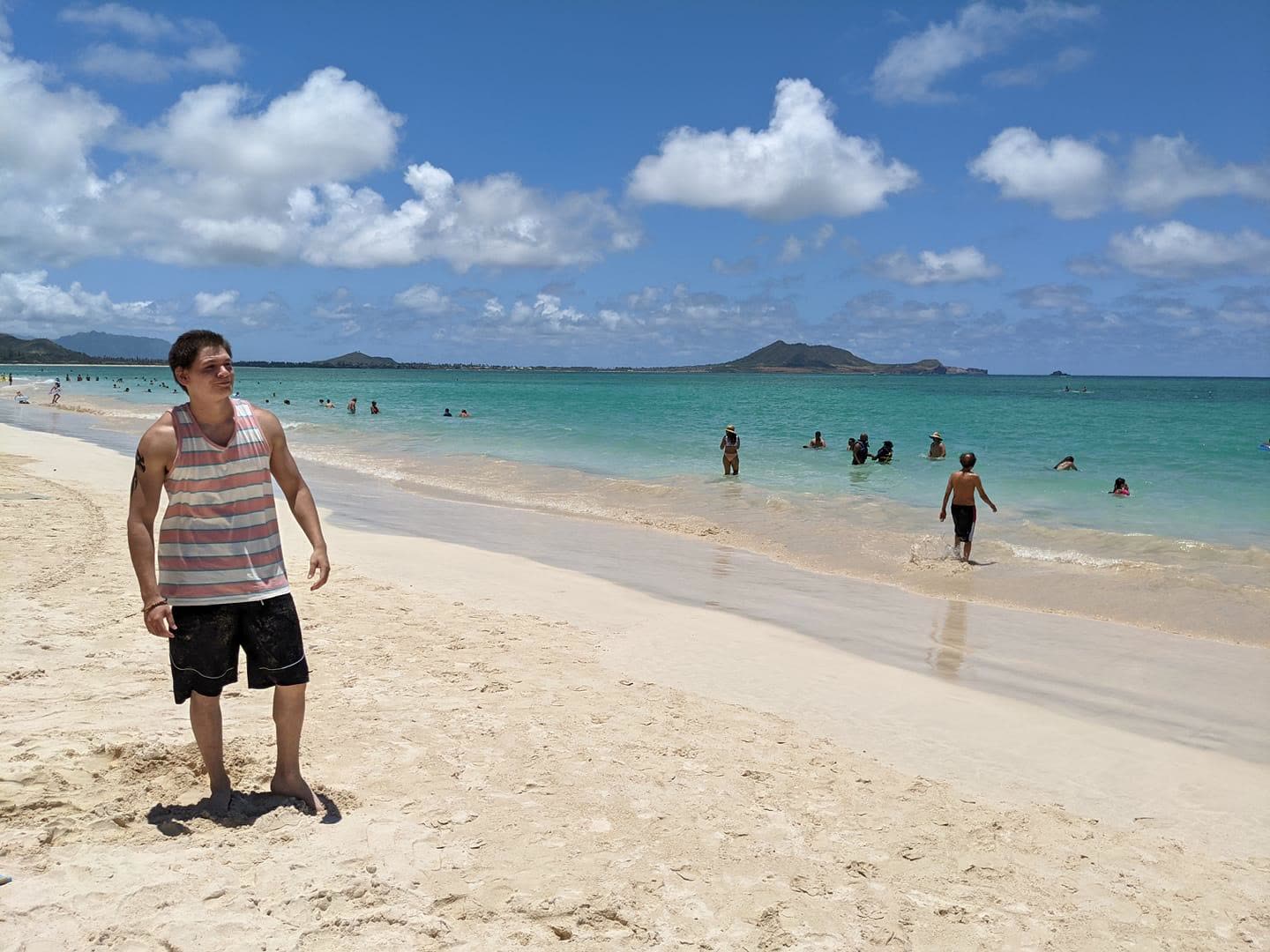
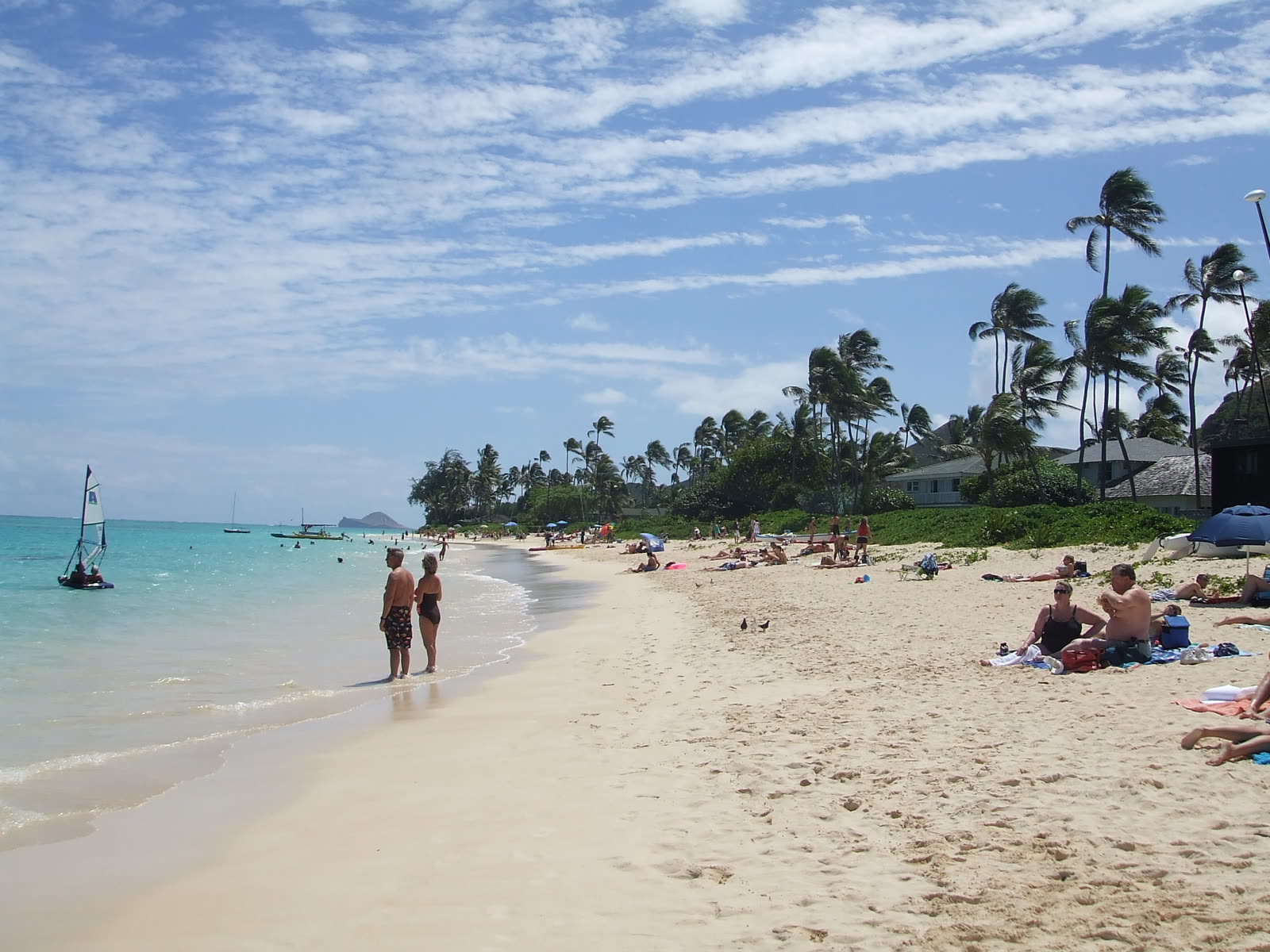
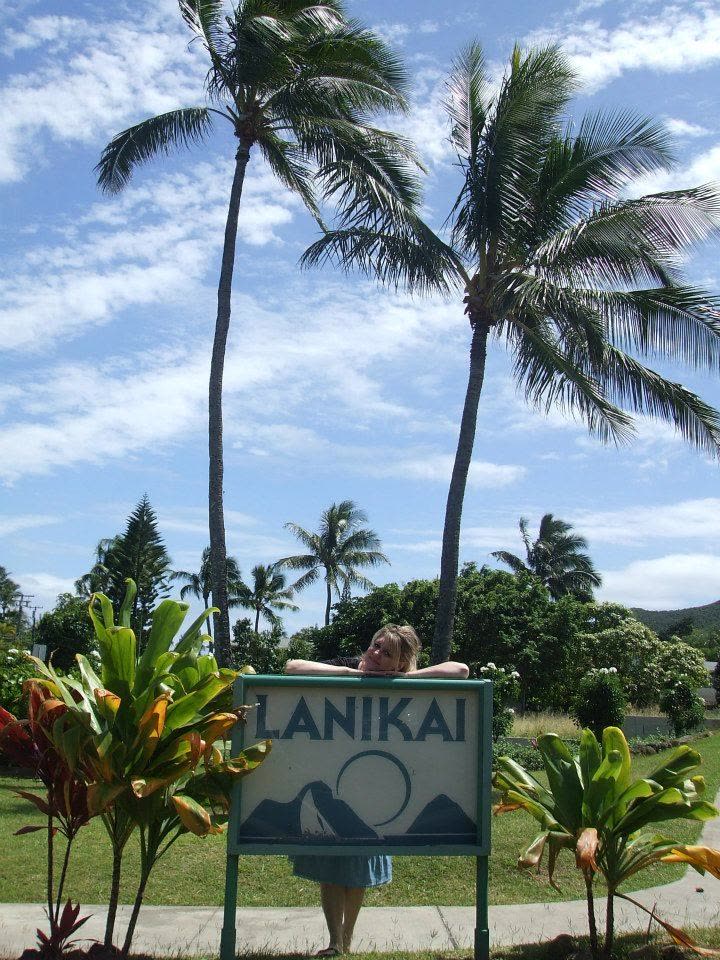
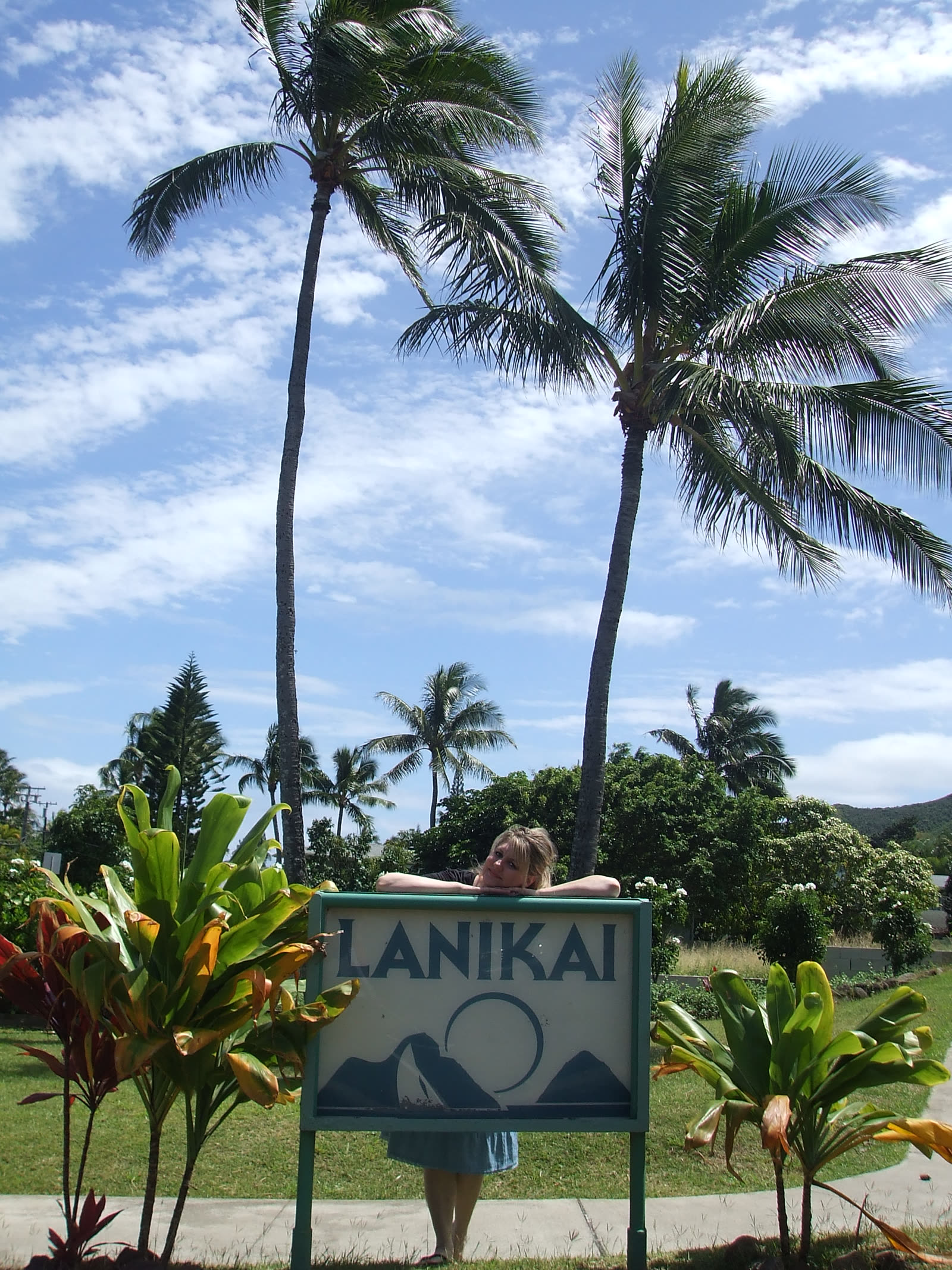
Lanikai is regularly ranked among the best beaches on the planet — powder-soft sand, calm turquoise water, the two Mokulua islands offshore. It is also a residential neighborhood with zero facilities: no lifeguards, no restrooms, no showers. Bring everything.
Read this before you drive here: as of July 1, 2026, parking is banned all day, every day on Mokulua Drive and A'alapapa Drive — the entire Lanikai loop. Only 3-minute loading zones remain, cross streets ban parking 10 AM–4 PM, and tickets and tows are actively enforced.
The move: park at Kailua Beach Park (526 Kawailoa Rd — free, no time limit) and walk 10–20 minutes in, or ride TheBus Route 671 (about every 40 minutes, $3.00 HOLO / $3.25 exact cash). Bikes and rideshare work too. Best time is an early weekday morning — sunrise views, calmer water, fewer people.
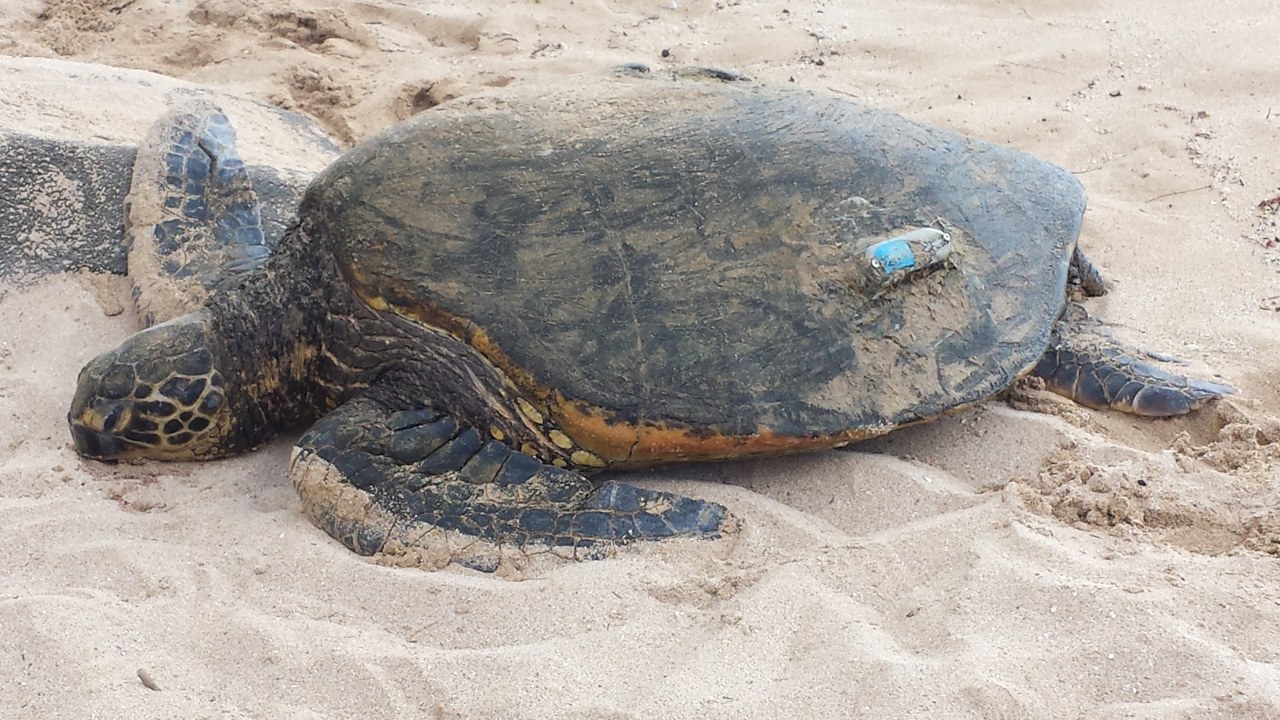
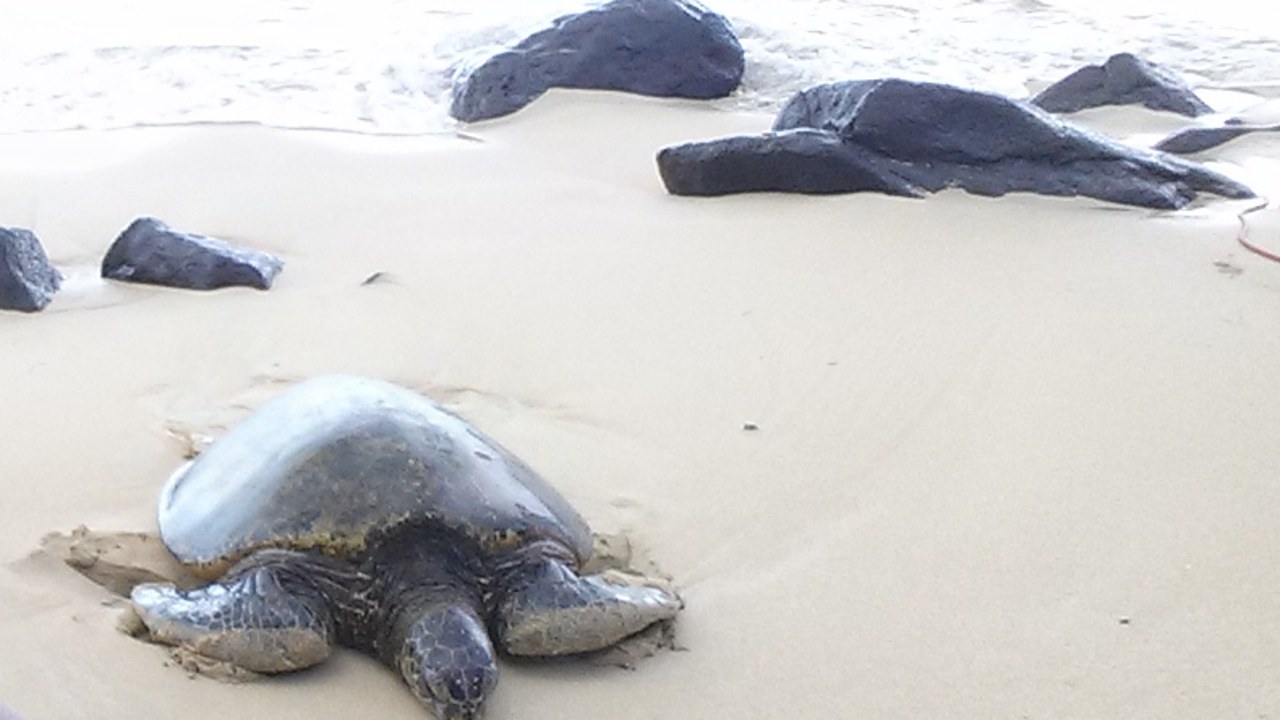
Hawaiian green sea turtles — honu — haul out to bask on the sand at Laniakea year-round, peaking midday. The best window is roughly 11 AM to 4 PM (some guides say noon–3 PM).
The turtles are federally protected: stay at least 10–15 feet back (volunteers rope a perimeter), never touch, feed, or harass them — violations carry fines up to $10,000–$25,000.
Parking is limited roadside shoulder parking along Kamehameha Hwy — no large lot, it fills up, and don't block the highway lane. One thing to know honestly: sources disagree on lifeguard coverage here, so swim like there's no guard.
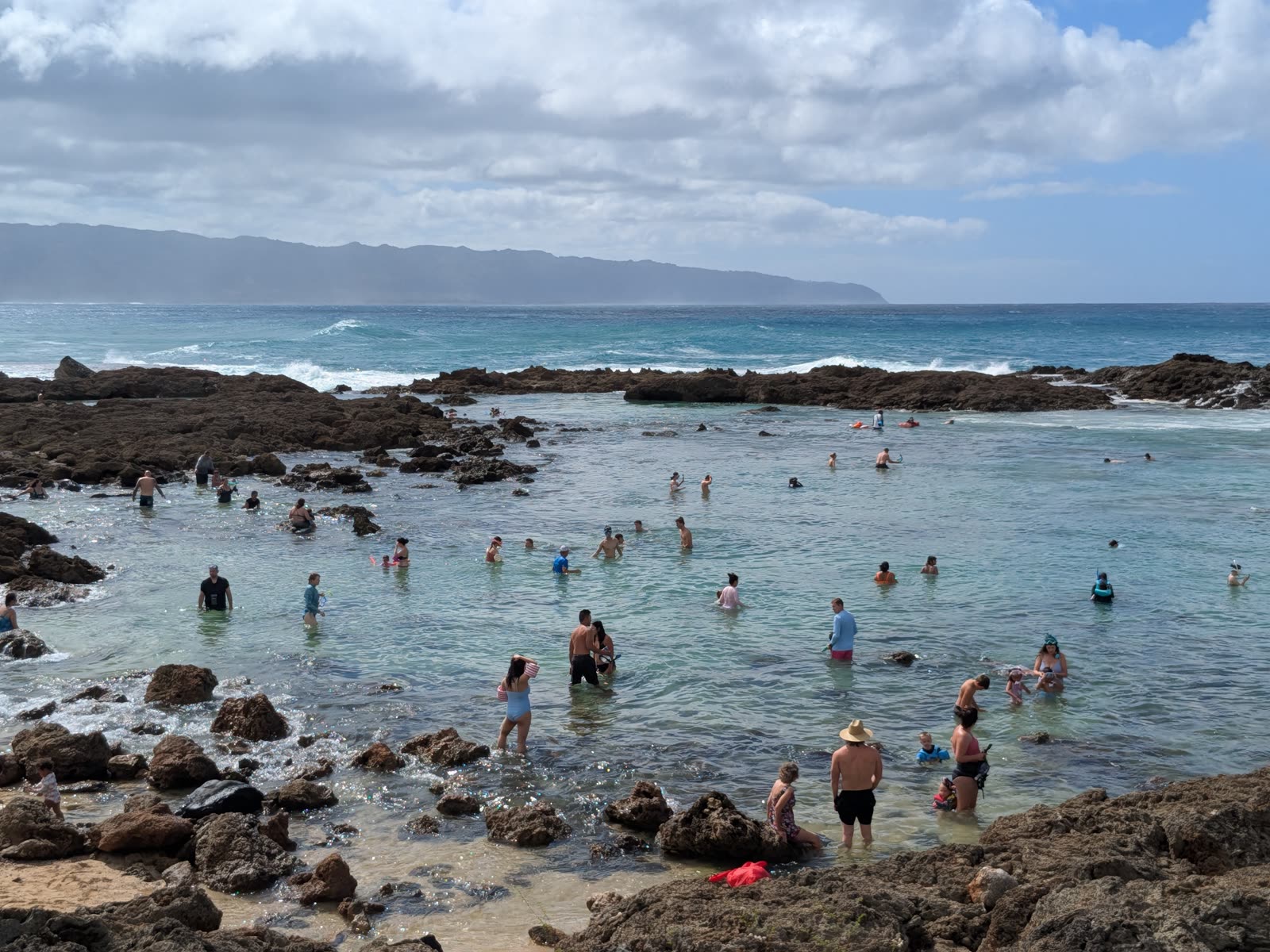
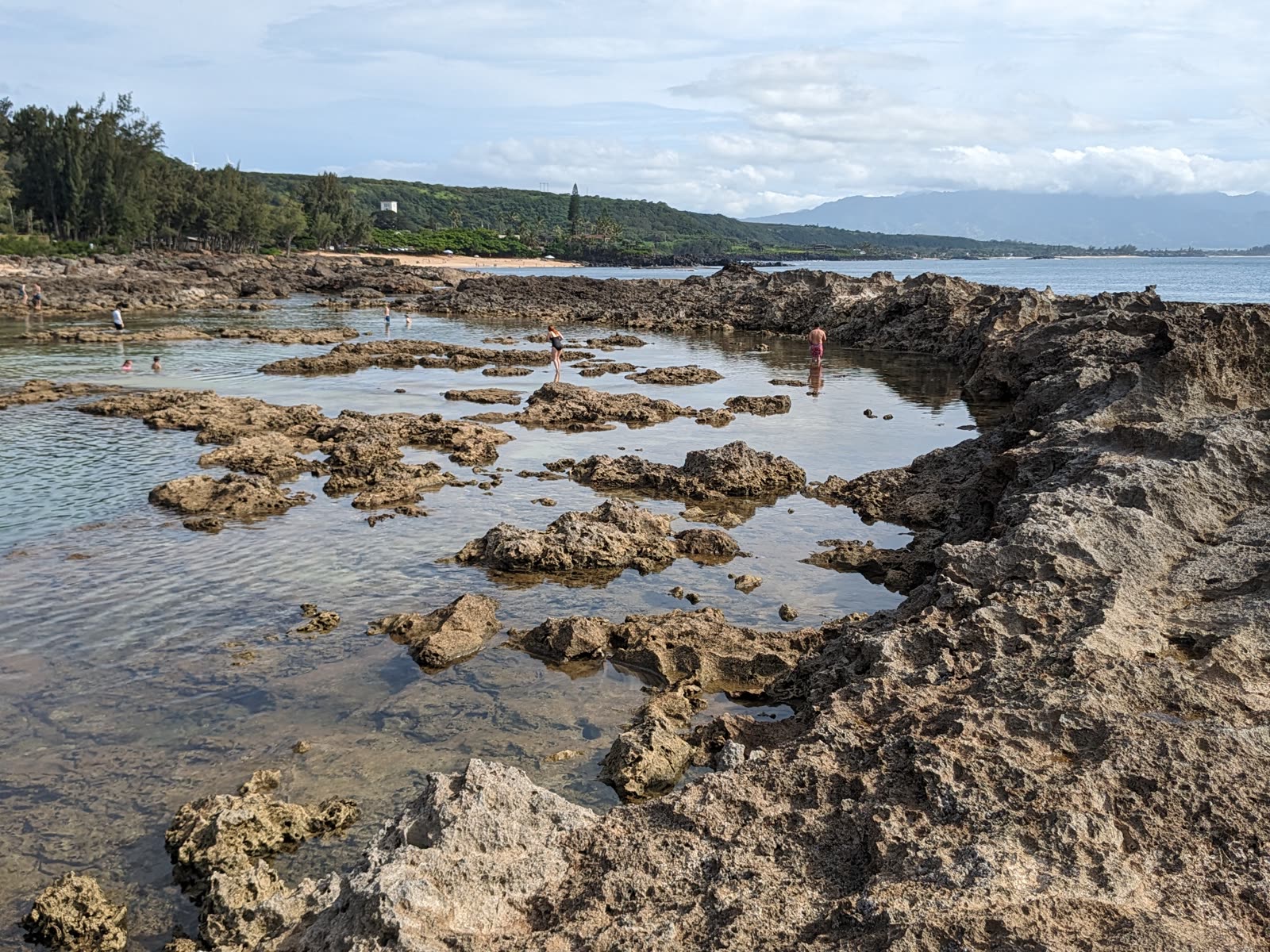
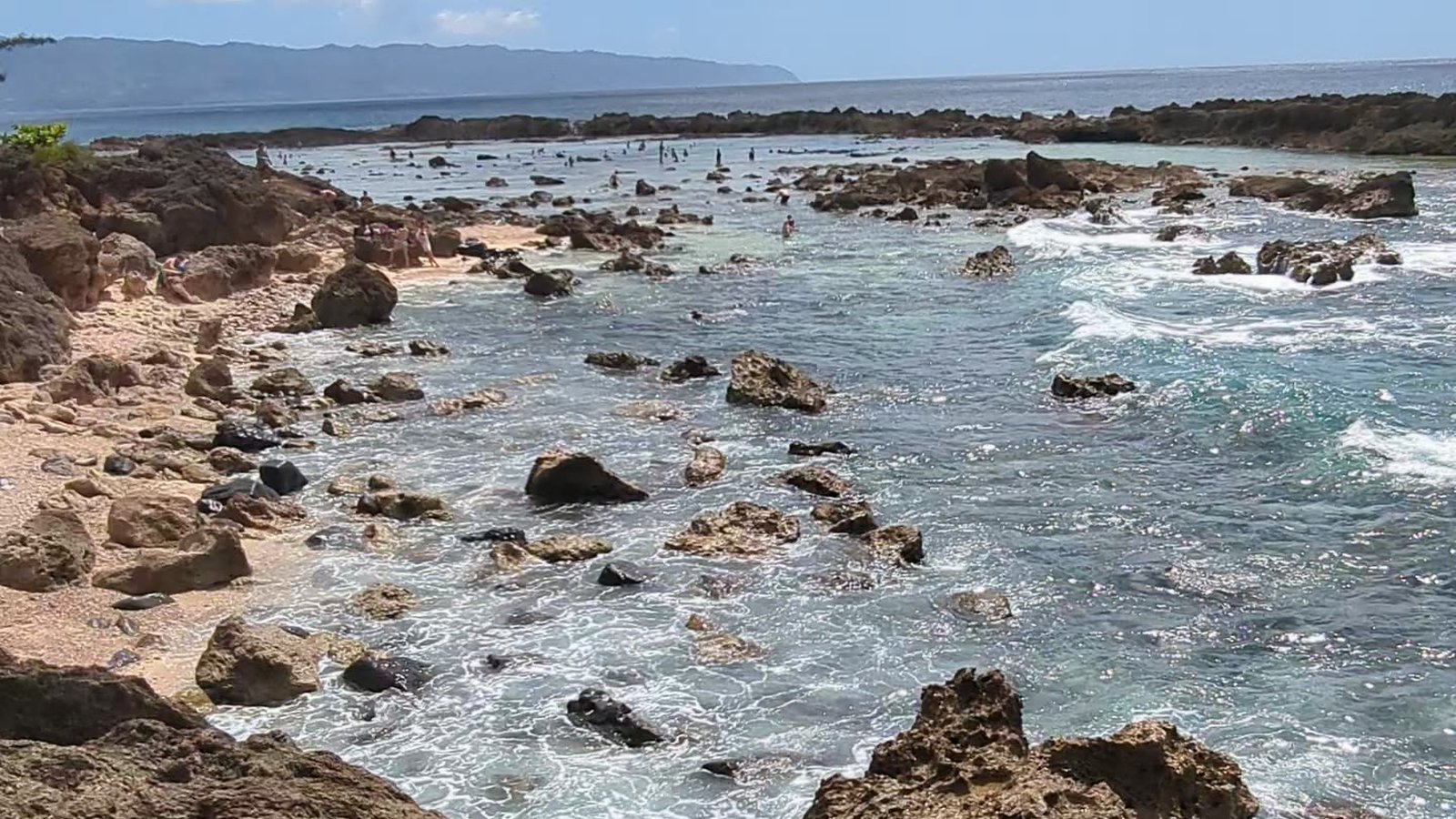
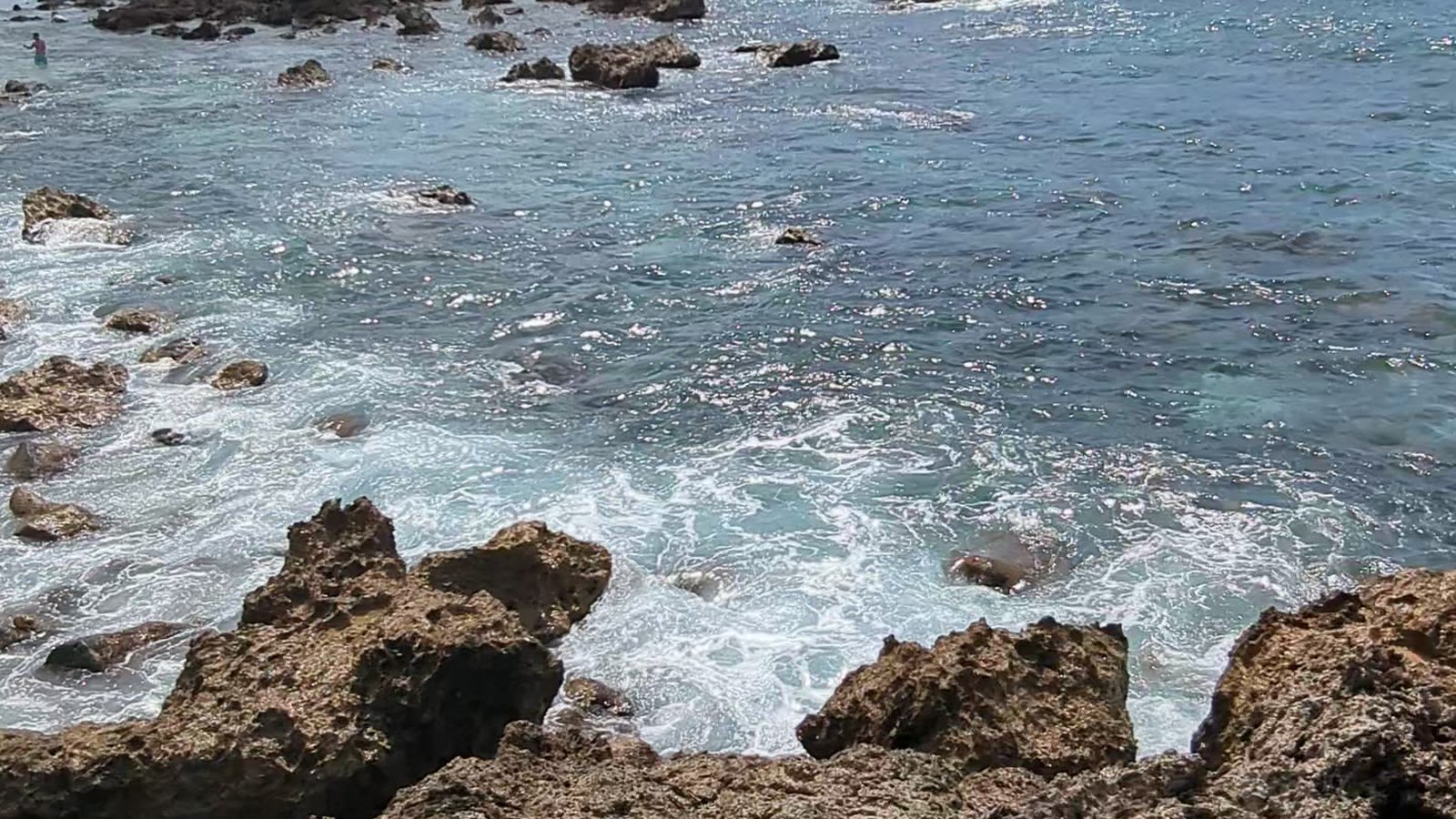
Shark's Cove is part of the Pupukea Marine Life Conservation District — tide pools and a rocky cove packed with fish in summer. It's free, with no reservations — but it is a summer-only swim, roughly May through September, when the North Shore is calm.
In winter the same cove turns dangerous: big swells, powerful currents, real injuries. Always check the surf report before getting in — hawaiibeachsafety.com carries daily conditions.
Go in the morning for the clearest water before the crowds arrive, and arrive early — the small lot fills fast. The entry is rocky: wear water shoes and reef-safe sunscreen.
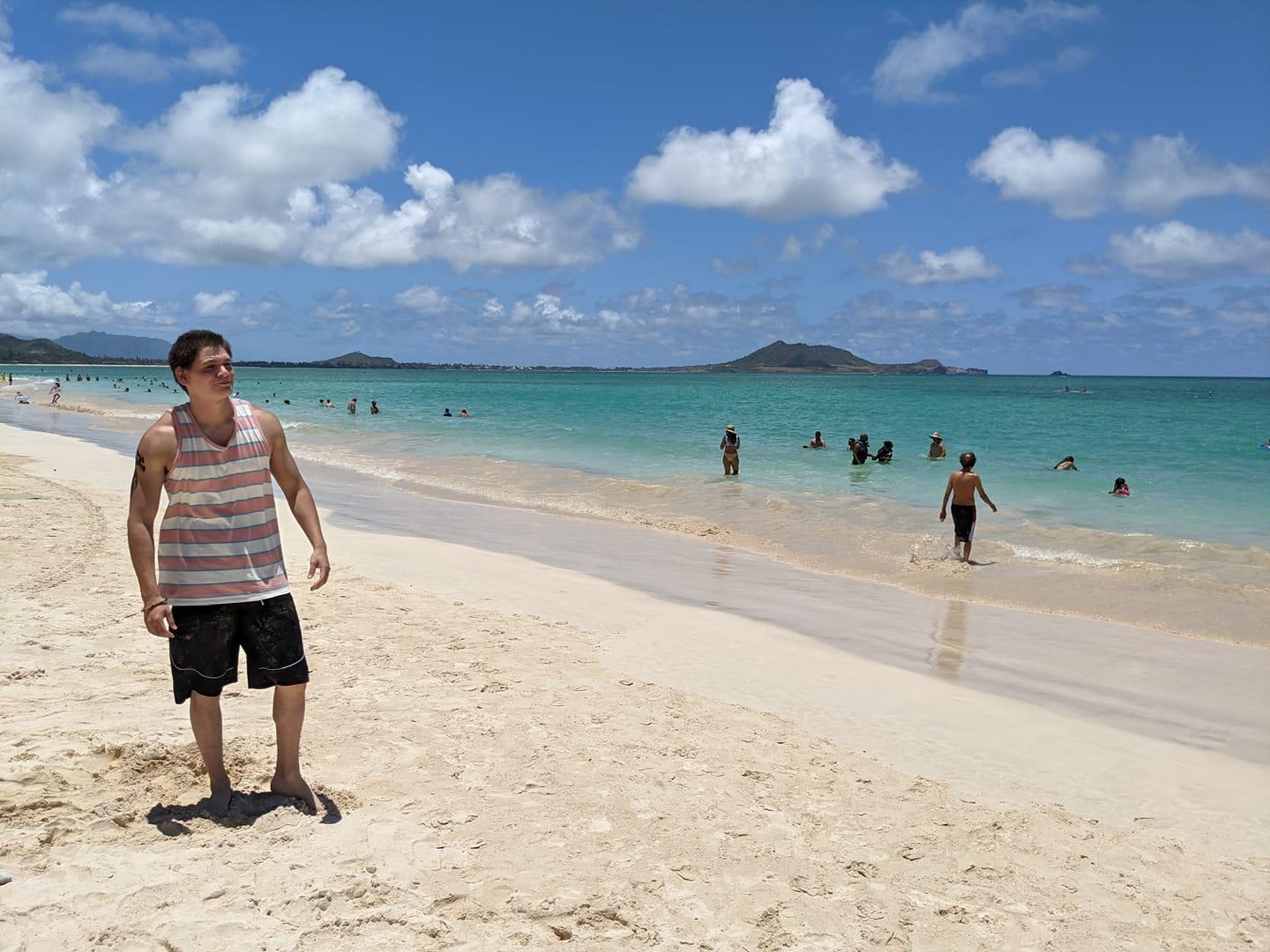
The Mokulua islands from Kailua Beach — the postcard side of the windward coast.
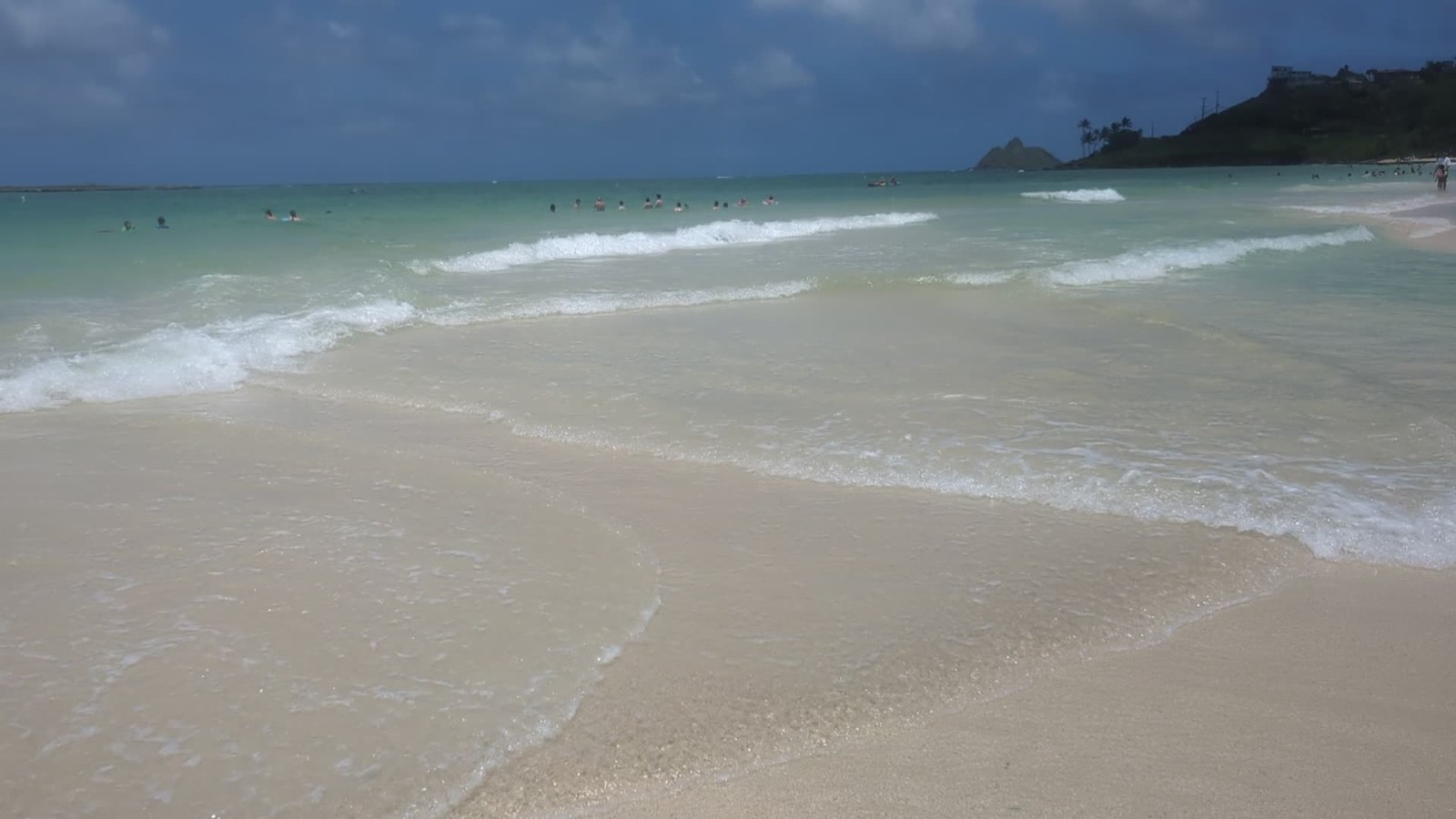
Gentle, reef-protected surf — the everyday side of Kailua.
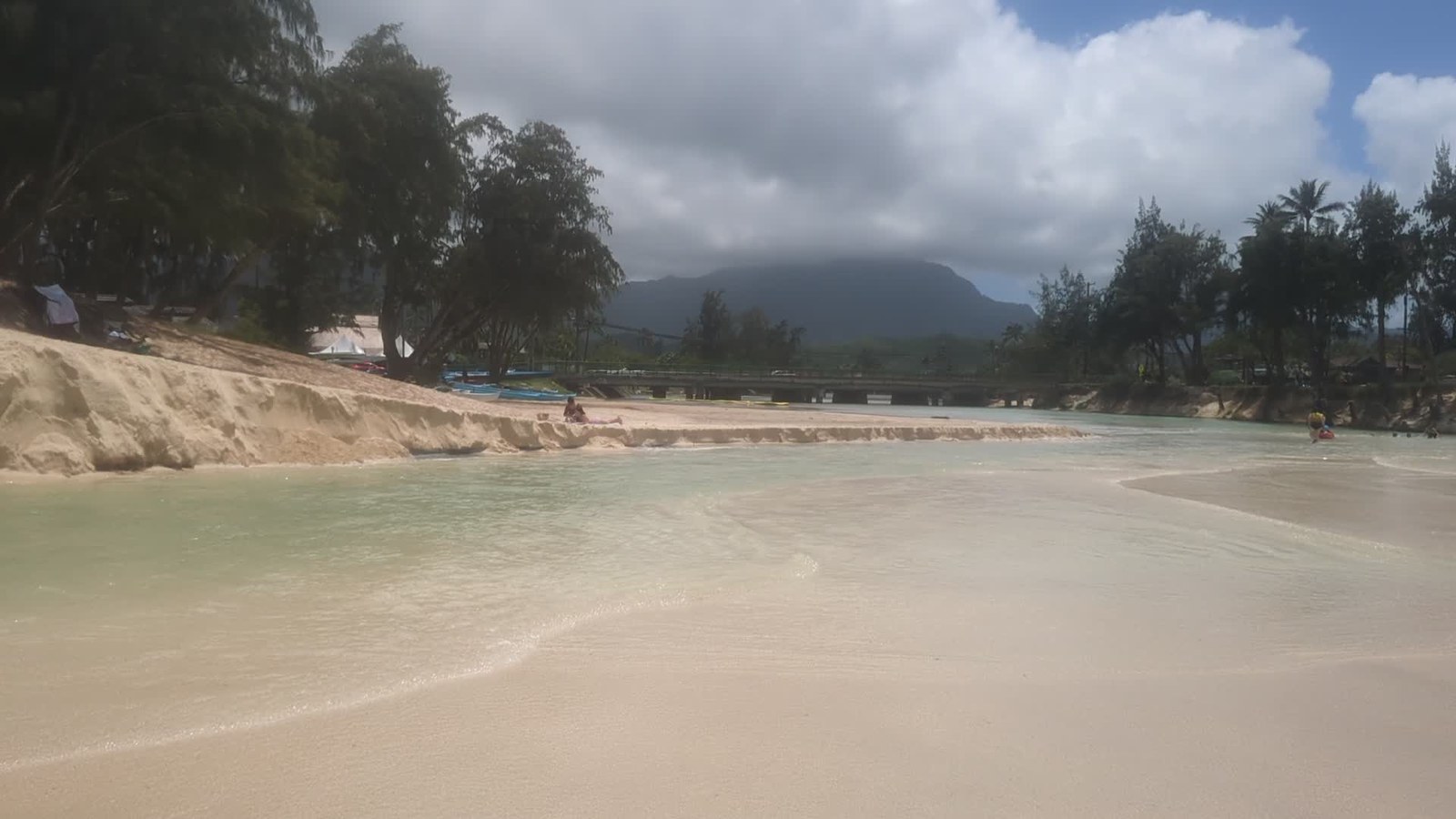
The Kaʻelepulu Stream mouth at the beach park — calm and shallow.
If Lanikai is the postcard, Kailua is the beach you actually spend the day at — about two and a half miles of white sand with room to spread out, calm reef-protected water, and the twin Mokulua islands sitting offshore.
The beach-park end has the facilities — parking lot, showers, picnic tables — and the Kaʻelepulu Stream mouth, where the water stays shallow and calm. Kayak rentals in Kailua town will set you up to paddle out to the Mokuluas.
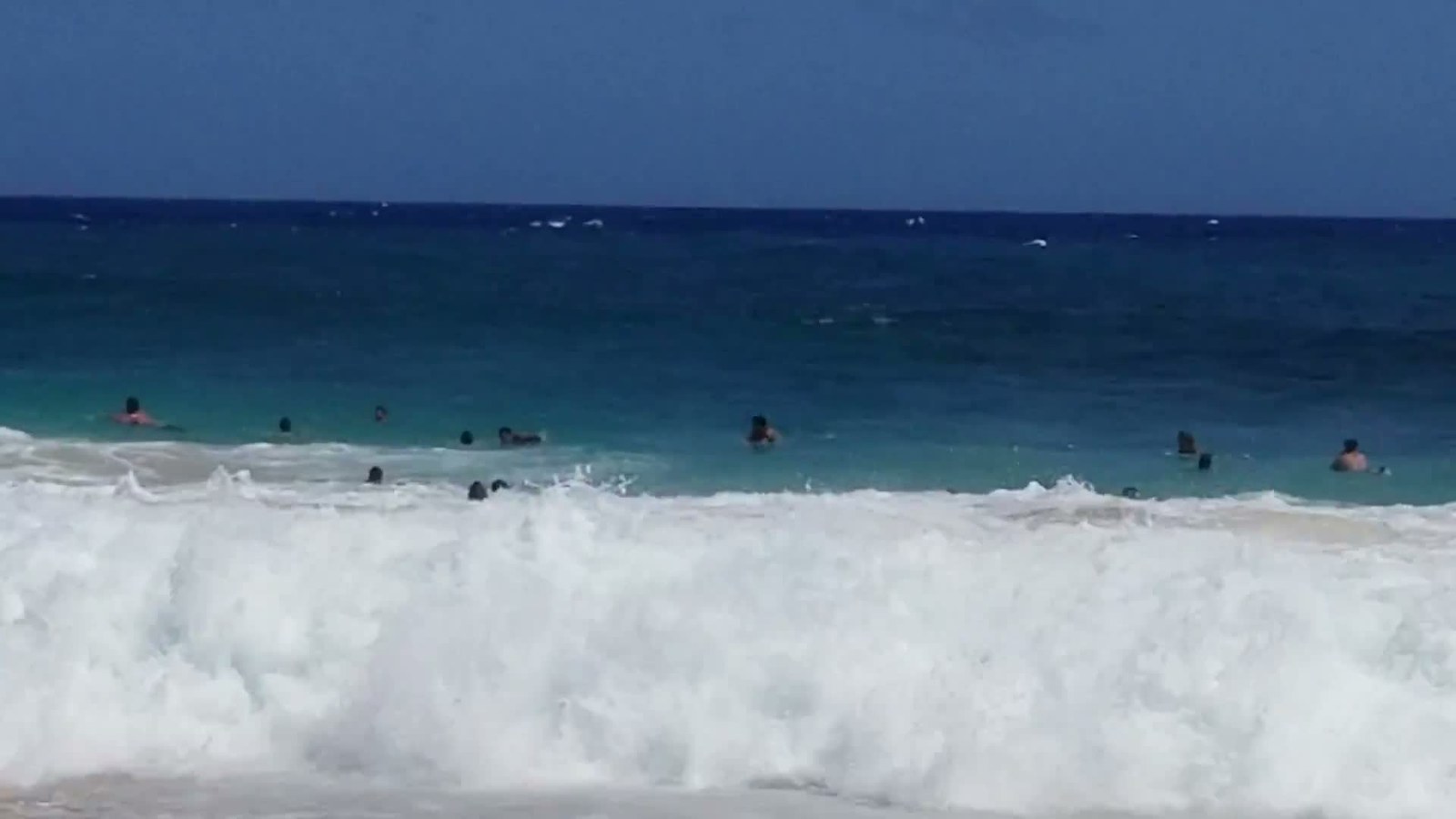
The shore break doing what it does. This is not a casual swimming beach.
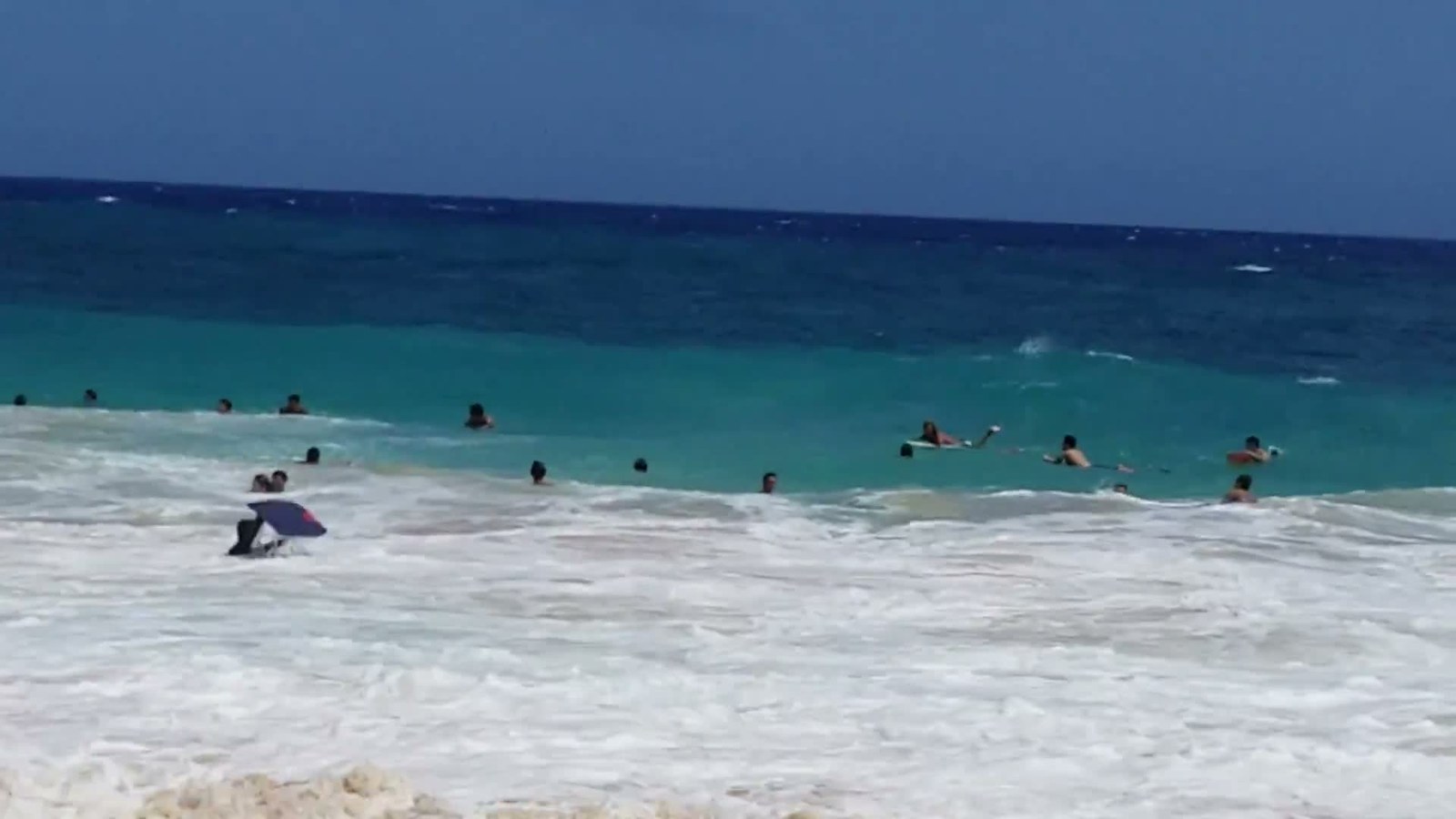
Bodyboarders waiting on the next set. Experts only.
Sandy's is Oʻahu's famous shore break — waves that stand up and dump right onto the sand, and some of the best bodysurfing and bodyboarding in Hawaiʻi. It also has one of the highest rates of water-related spinal injuries in the state, which is exactly where the nickname comes from.
For most of us, Sandy's is a spectator sport — and a great one. Settle onto the wide sand, watch the regulars charge waves that would fold a visitor in half, and enjoy one of the prettiest stretches of the southeast coast. If you're not an expert in shore break, keep your feet dry and your camera out.
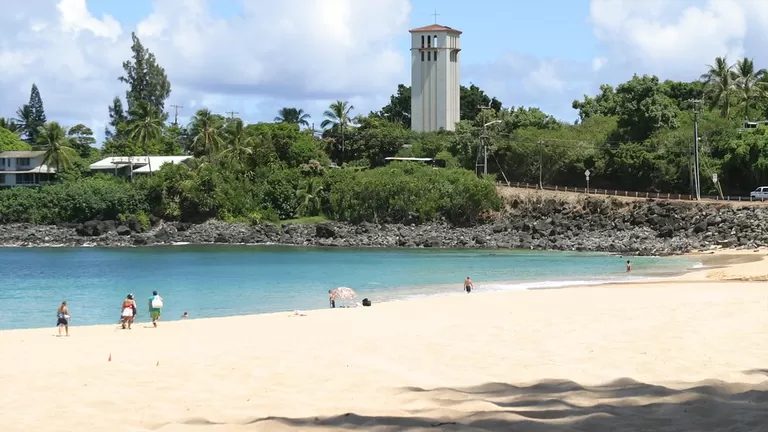
Waimea in its calm season — a different bay entirely from the winter big-wave stage.
Waimea Bay has two completely different personalities. In winter it's the most famous big-wave stage on Earth — sets of 30 to 40 feet pour into the bay, the lifeguards earn their reputation, and when the surf gets big enough the bay hosts The Eddie, the invitational held in memory of Eddie Aikau.
In summer the same bay goes flat and friendly — clear, calm water made for swimming, and the Jump Rock on the left side of the bay, a 20-to-30-foot leap that has been a local rite of passage for generations. Check what the lifeguards say before you jump, and never jump alone.
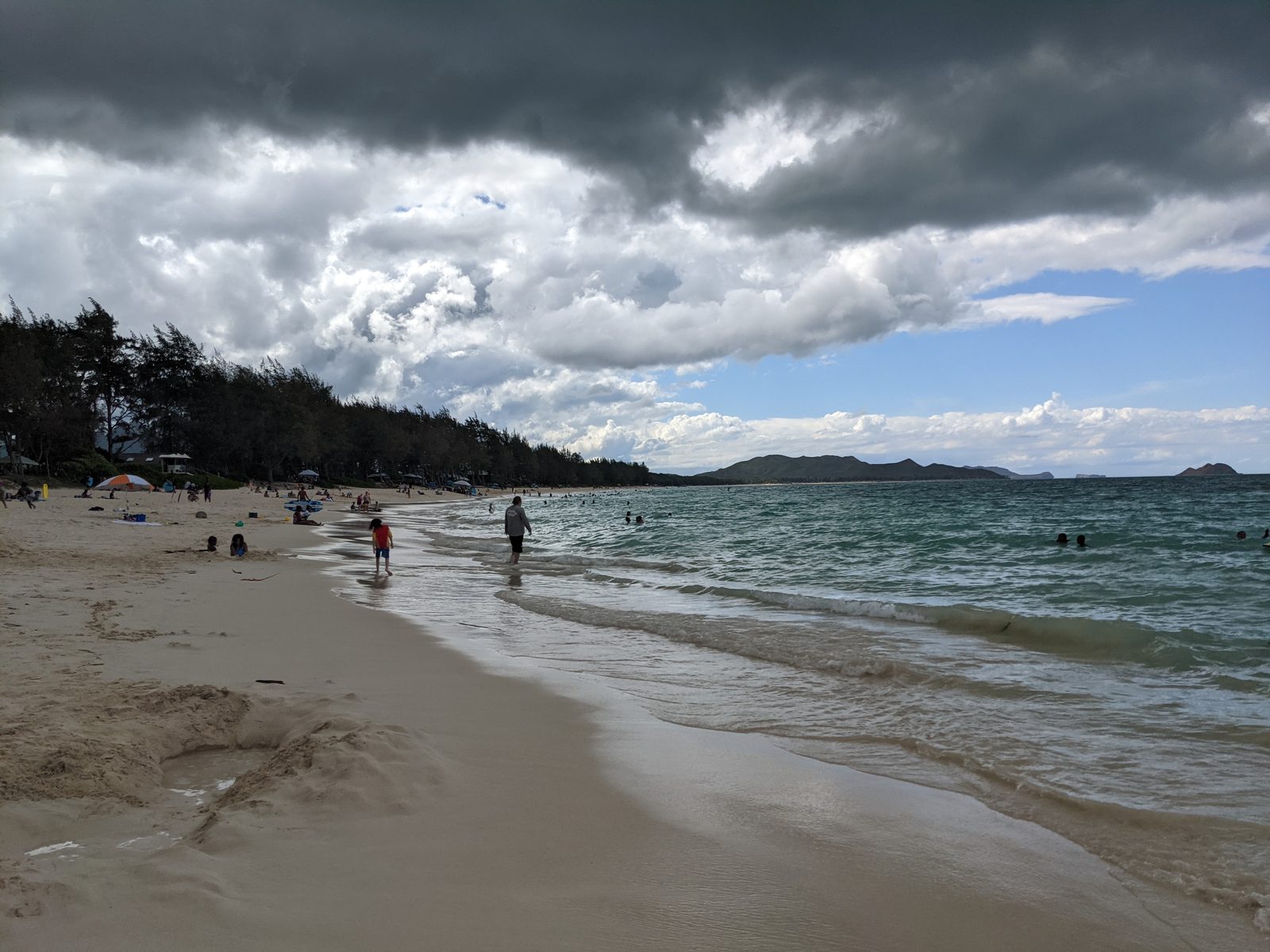
The long Waimanalo shoreline — room to spread out, even on a weekend.
Miles of soft white sand under the green wall of the Ko'olau — Waimanalo is the windward side's everyday beach, the one local families actually use. The bay runs for about three miles, so even on a busy Sunday you can walk five minutes and have a stretch of it nearly to yourself.
The water is usually gentle enough for swimming and easy bodysurfing, and the beach park end has the ironwood shade, the picnic tables, and the facilities. After windy spells, Portuguese man o' war can wash in — check the flags and the lifeguard stand before you swim.
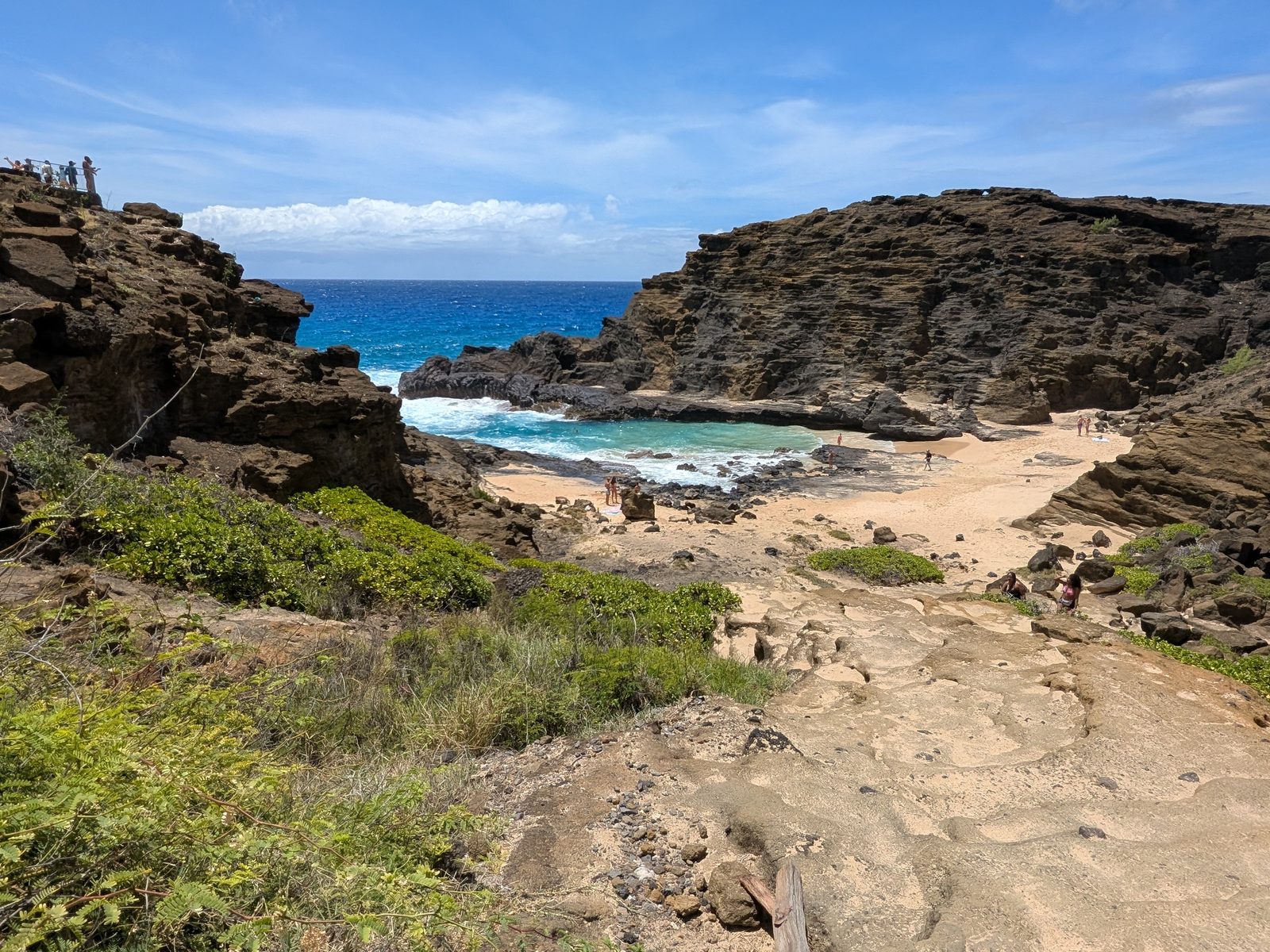
The cove from the trail down — a pocket of sand between the lava cliffs.
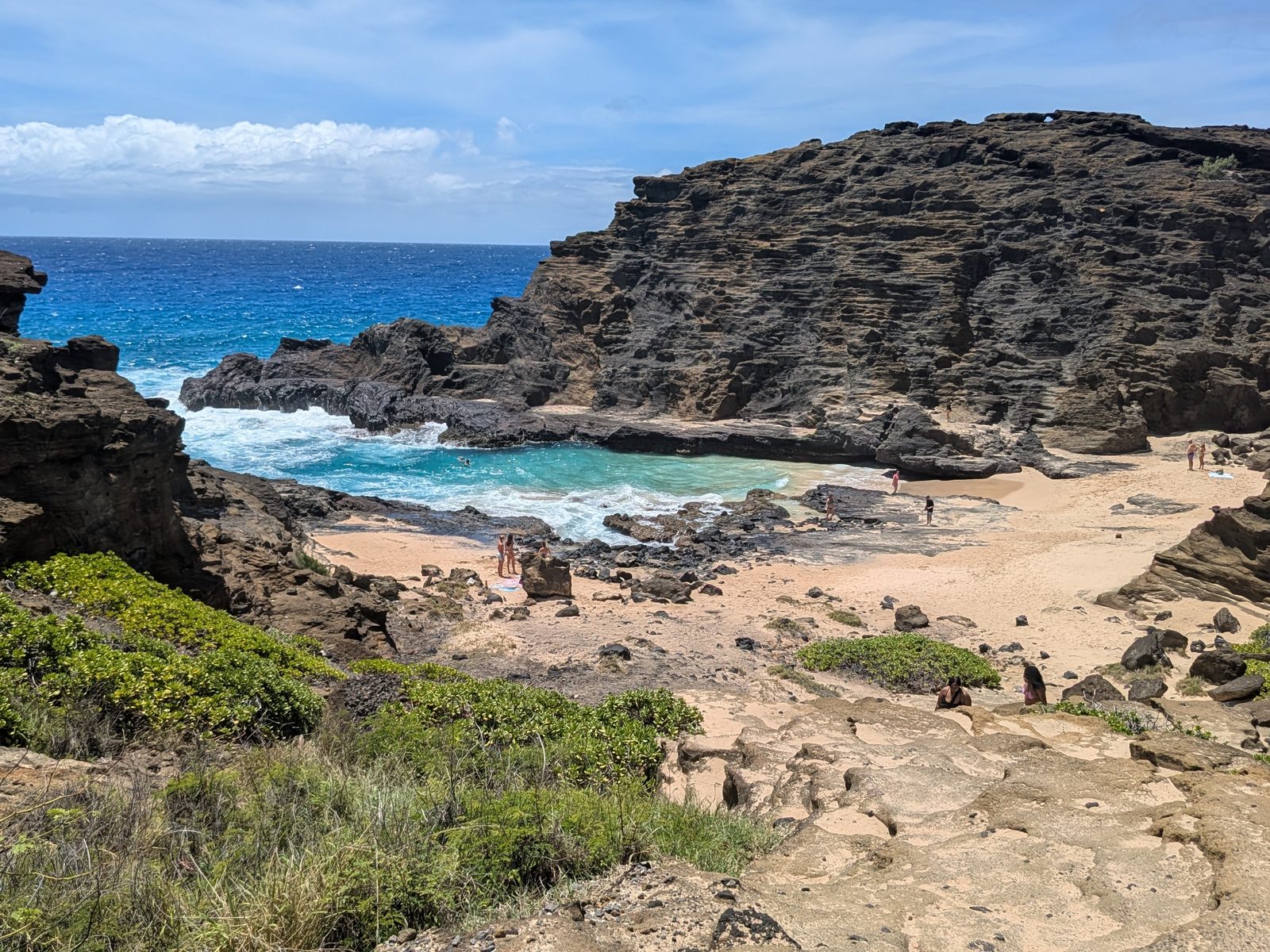
Surf rolling into the cove.
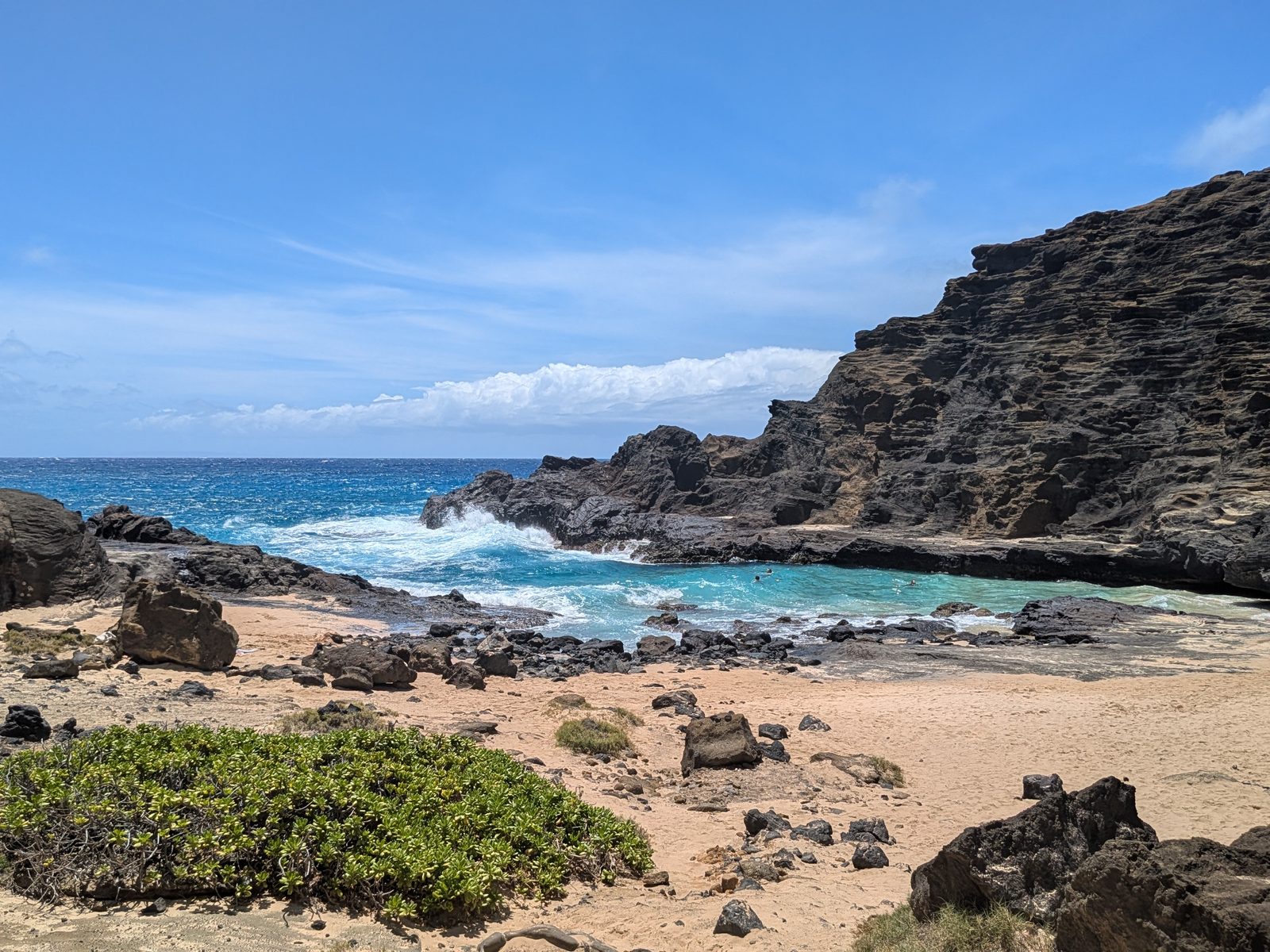
Beach level — waves breaking at the cove’s mouth.
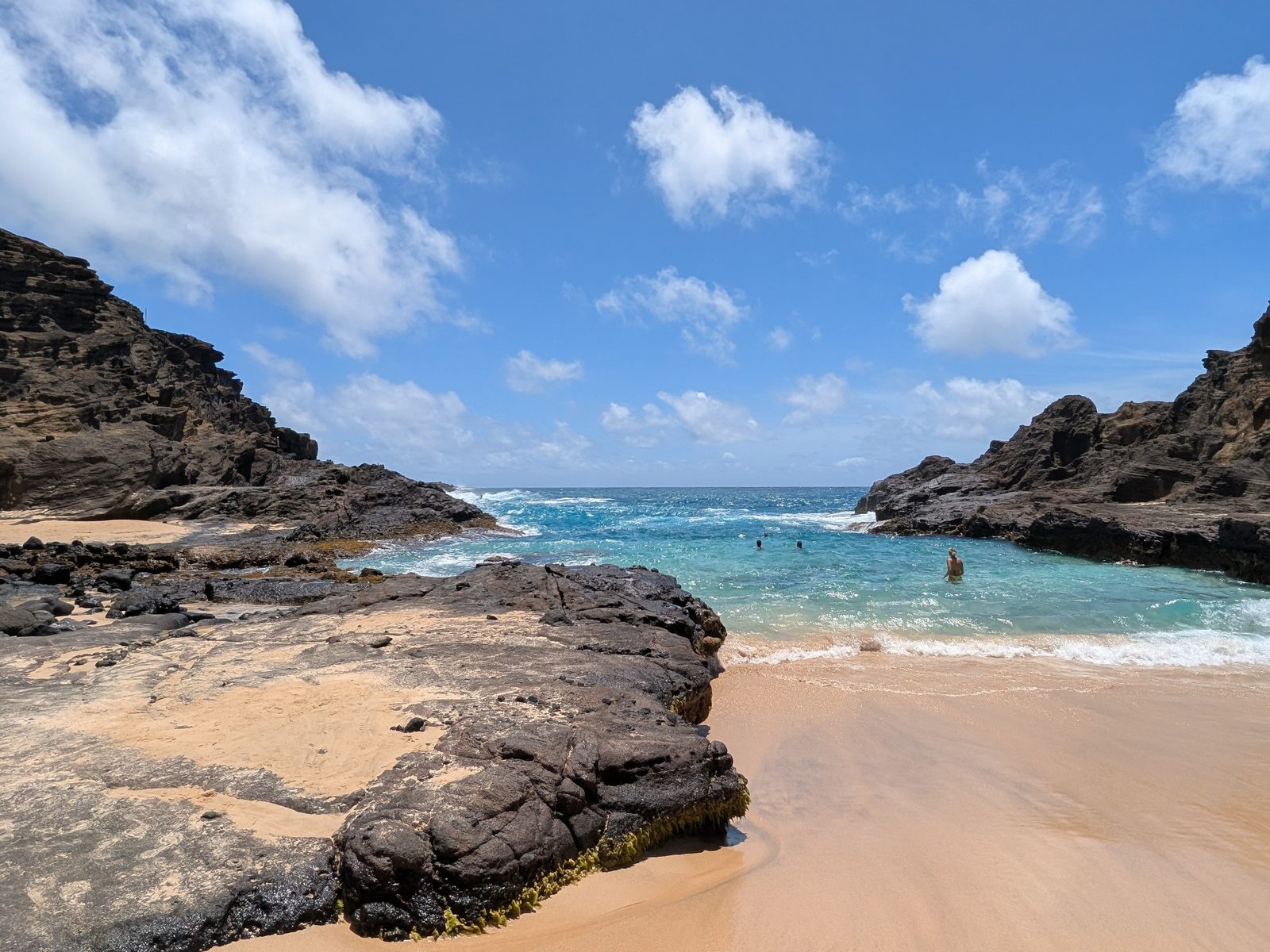
The lava shelf and the clear water inside the cove.
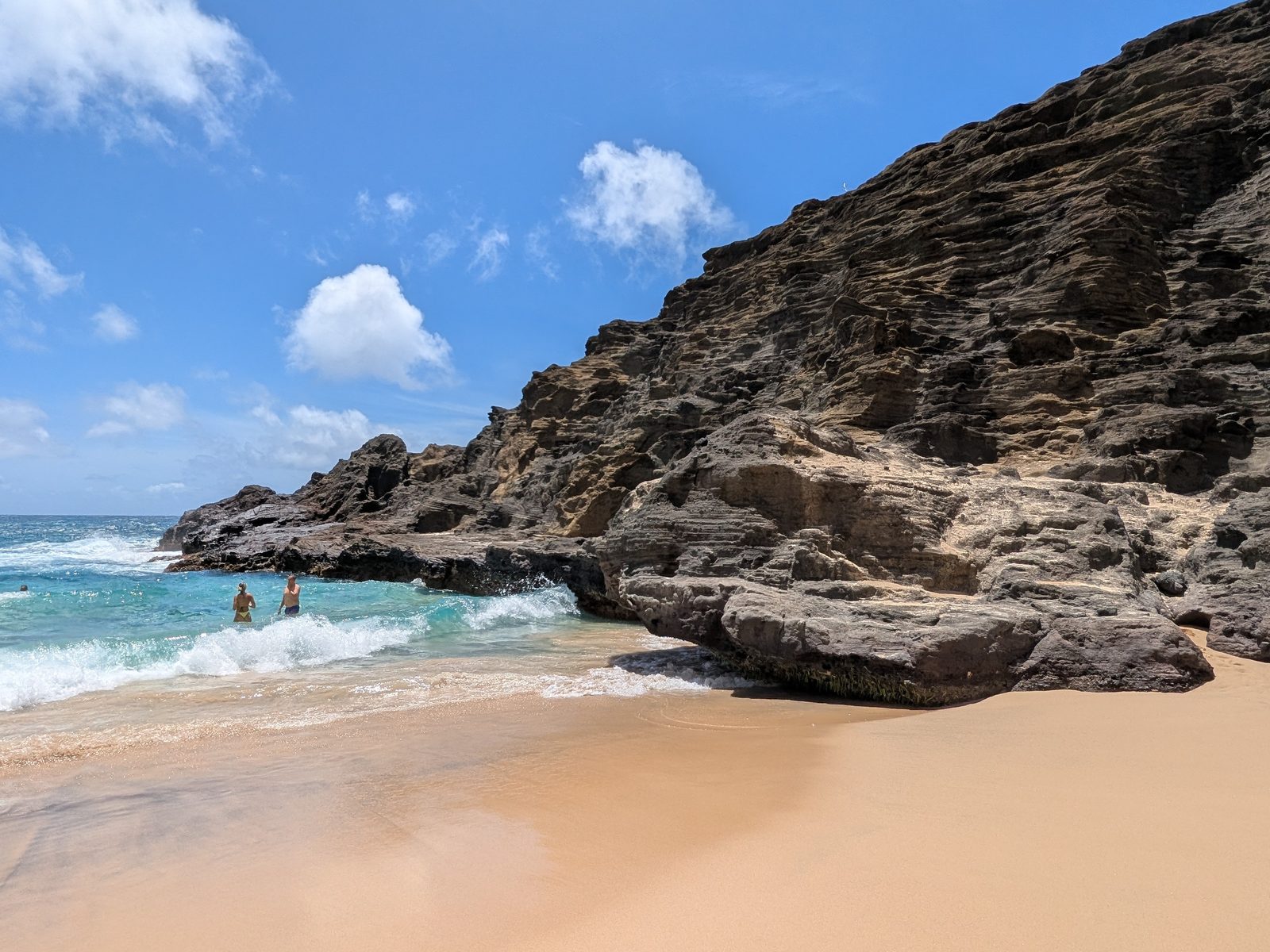
The cove’s cliff wall, from the sand.
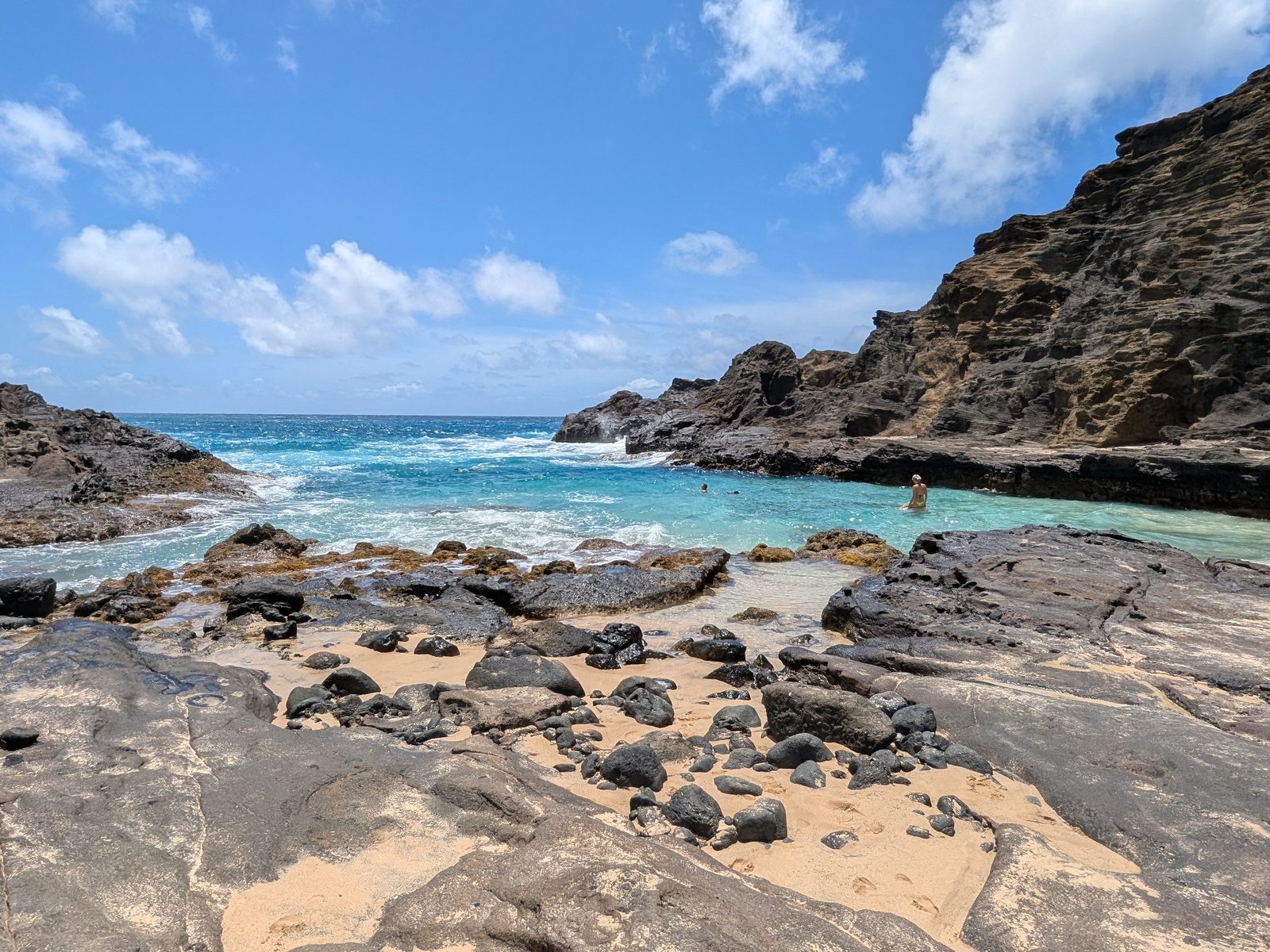
The rocky end of the cove, looking out to sea.
Tucked into the lava cliffs below the Halona Blowhole lookout, this small cove is a pocket of sand and clear turquoise water on Oahu’s southeast coast — the beach made famous by the 1953 film From Here to Eternity.
It pairs naturally with the blowhole lookout above it and with Sandy Beach, just up the same stretch of highway — Michael shot this whole set on one stop in May 2025.
Michael’s favorite beach on this side of the island — he calls it “Sandbar Beach.” At low tide, a sandbar runs about a mile out into the bay, and the shallow, calm water makes it a favorite with local dogs and their people.
You’ll find it in east Honolulu, just past Hawaiʻi Kai.
📷 Pictures coming soonA long, quiet stretch of sand on the North Shore, out by Dillingham Airfield — about as far from the Waikiki crowds as Oahu gets. Gliders tow out of the airfield overhead, and the beach just runs on and on.
📷 Pictures coming soonTake the beach home. Premium 5mm-thick challenge coins with UV 3D artwork on both sides — shop all coins at oahucoins.com.
Share tips, trip photos, and local secrets with fellow Oahu lovers in Michael's free Facebook group.
Join our Facebook Group