USS Arizona Memorial
$49.99
View coinThe must-dos beyond the beach: history, culture, and family fun done right.
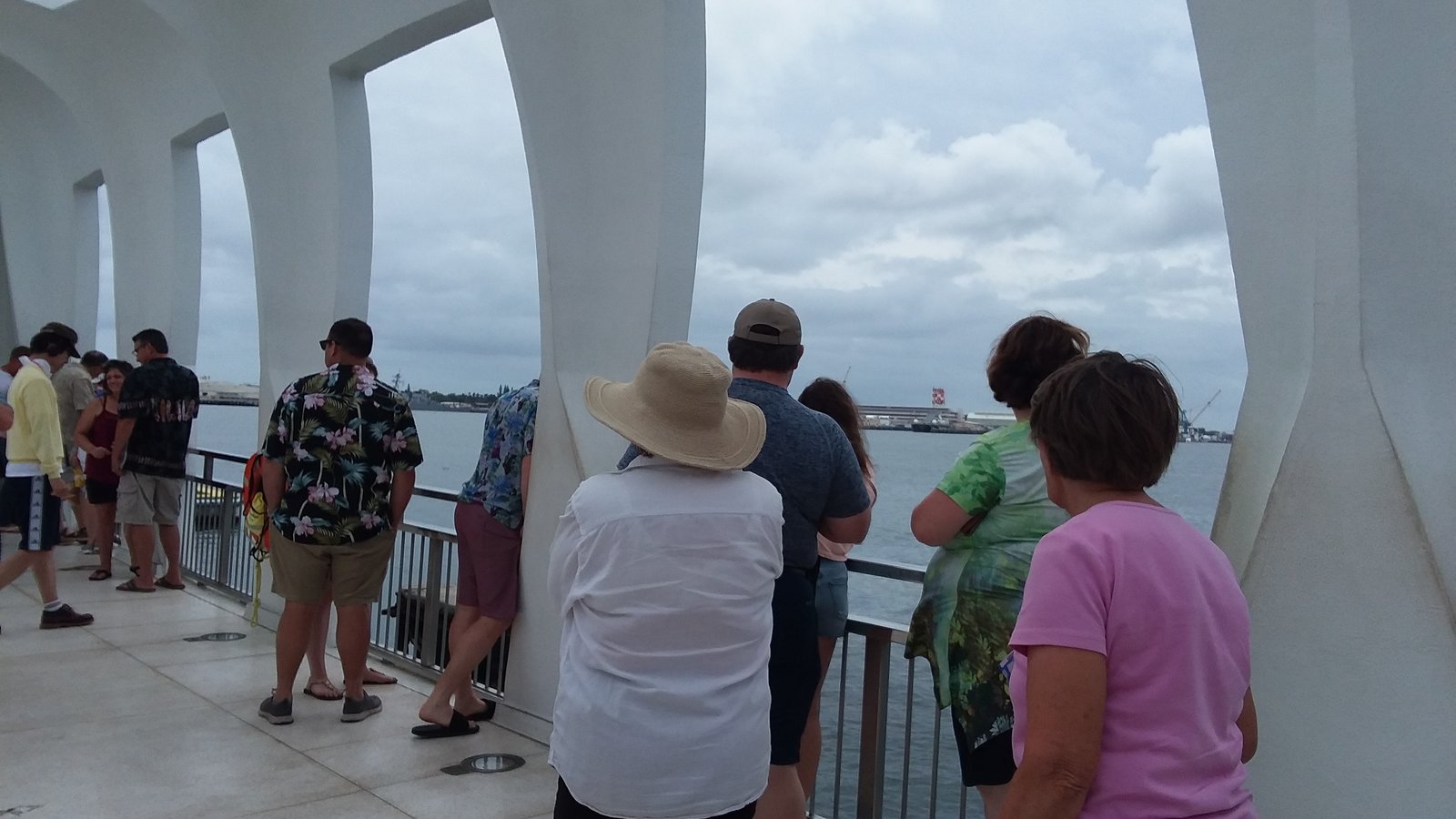
Standing over the USS Arizona is one of the most moving things you'll do in Hawaii. The memorial straddles the sunken hull of the battleship where 1,177 crewmen lost their lives on December 7, 1941 — and you can still see oil slowly seeping from the wreck, droplets the survivors call "the tears of the Arizona."
Getting in is the part everyone gets wrong: it's FREE, but you MUST reserve online at recreation.gov — there are no walk-up tickets anymore. Tickets drop daily at 3:00 PM Hawaii time in an 8-week window and a 24-hour window, and they go fast in peak season.
Boat programs run 8:00am–12:00pm and 1:00pm–3:30pm, departing about every 15 minutes. Plan at least 2 hours for the full visit: the visitor center exhibits, the 23-minute park film (a separate experience, not part of the boat program), and the memorial itself. Clear bags only — bring a small one or budget for the lockers ($7 small / $10 large). The Navy can pause boat departures for wind or safety, so the earliest slots give you the best odds of a full program.
The memorial is one stop in a much bigger Pearl Harbor: the Battleship Missouri, the Pearl Harbor Aviation Museum, and the USS Bowfin Submarine each charge their own admission (the Aviation Museum runs $29.99 adult / $17.99 child 4–12, and the Passport to Pearl Harbor bundle at $99.99 adult does NOT include the Arizona boat). If you've only got one day, do the Arizona first — it's the one that stays with you.
Take the memory home. Premium 5mm-thick challenge coins with UV 3D artwork on both sides — shop all coins at oahucoins.com.
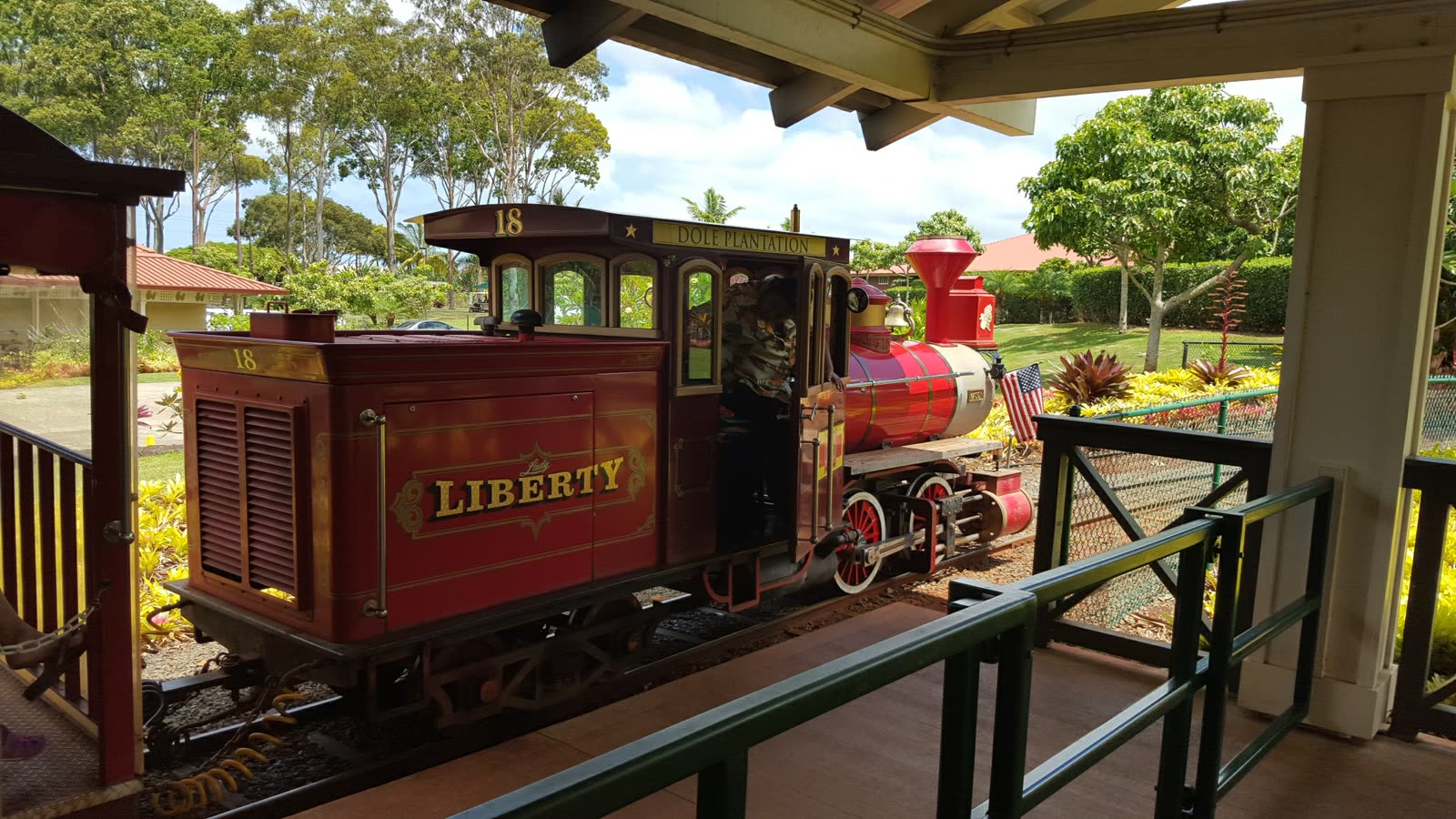
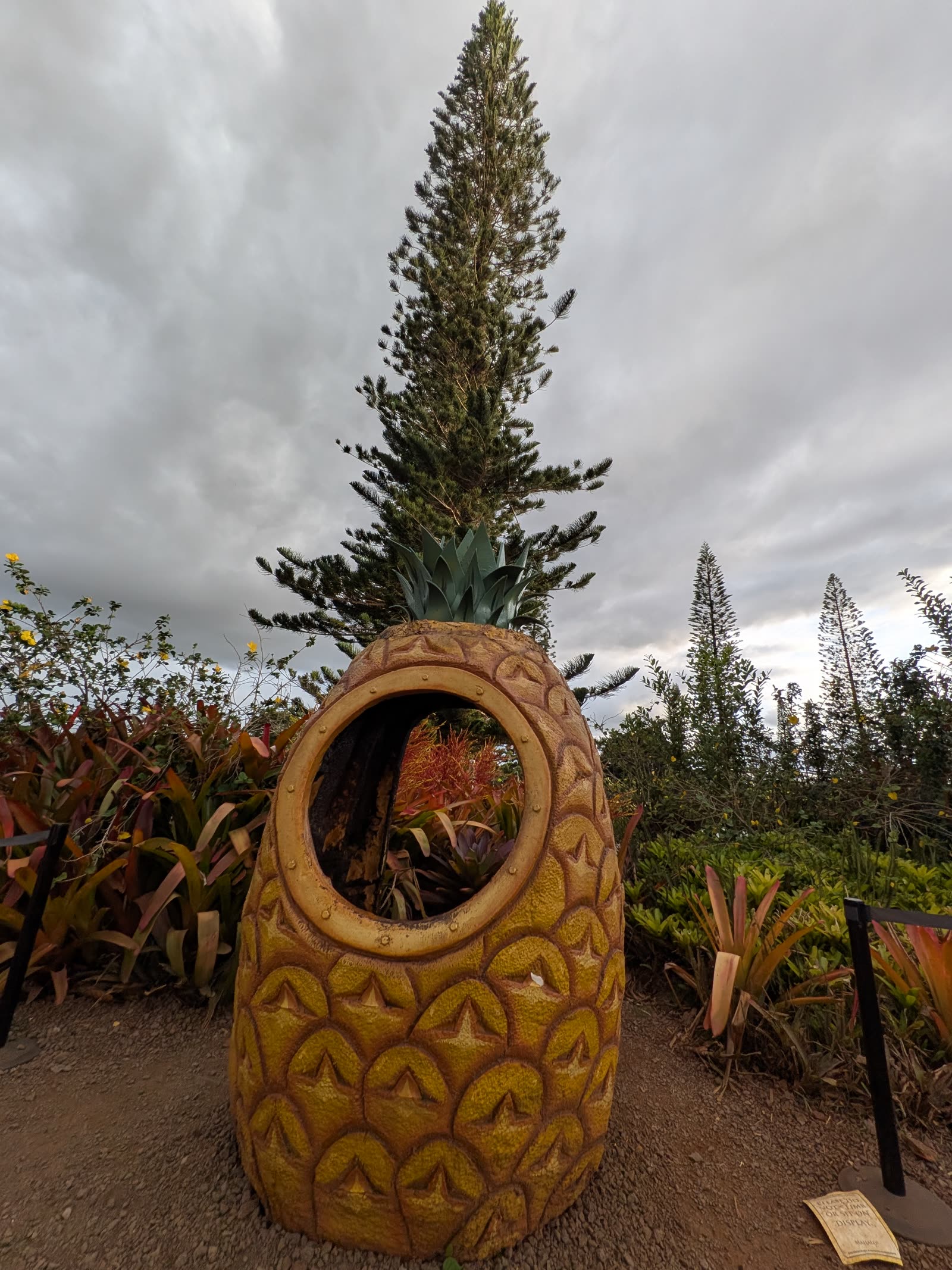
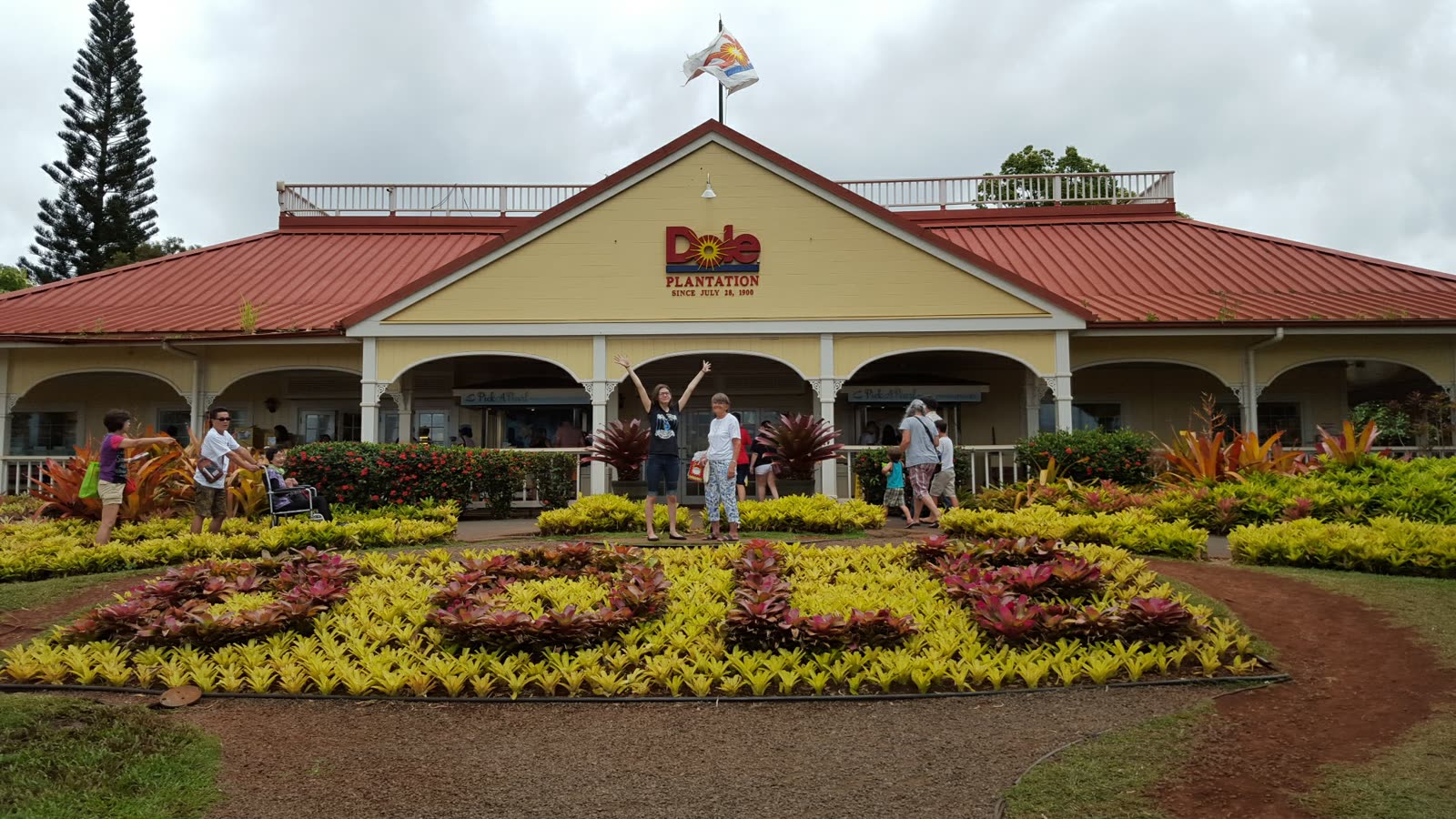
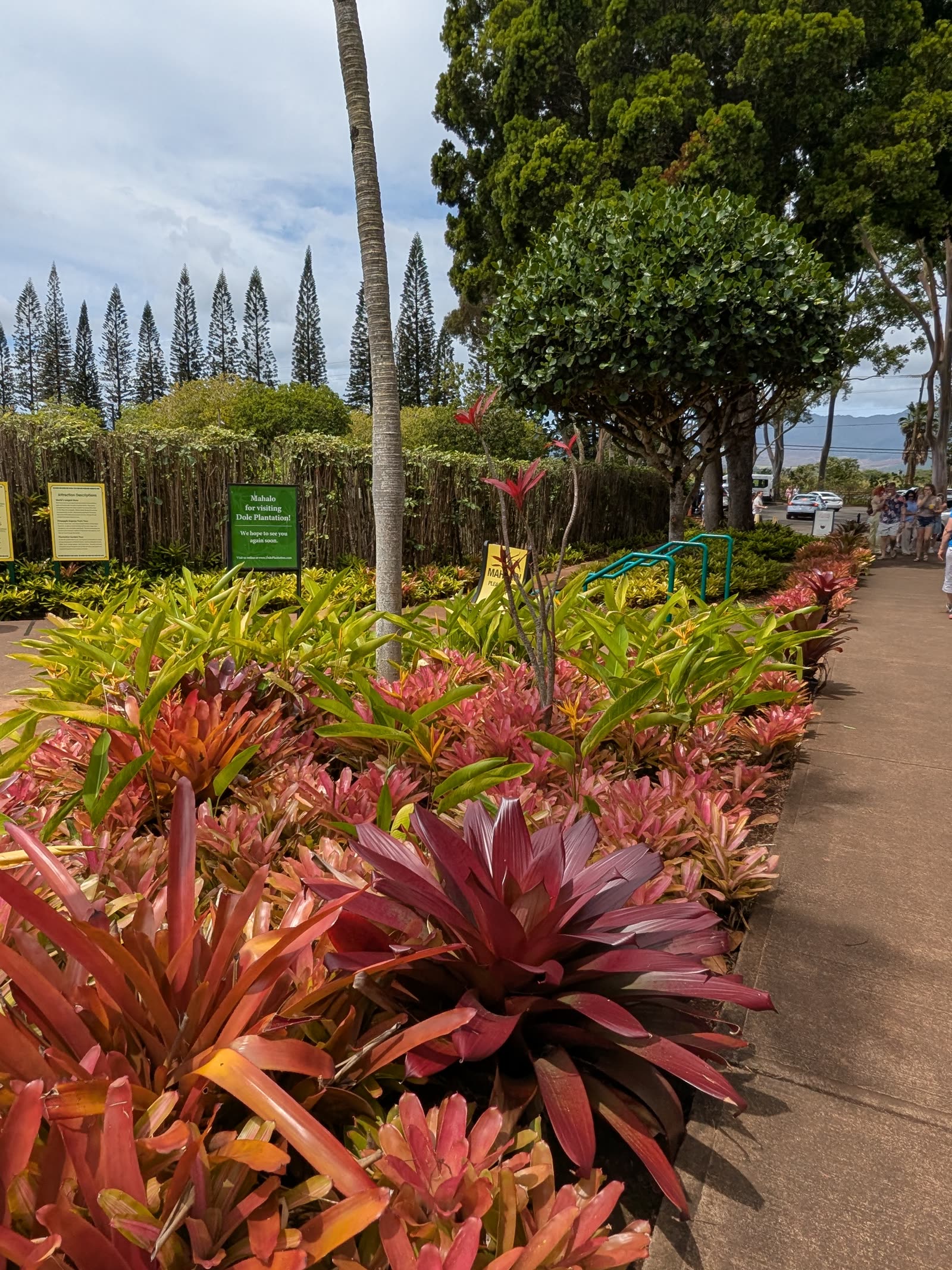
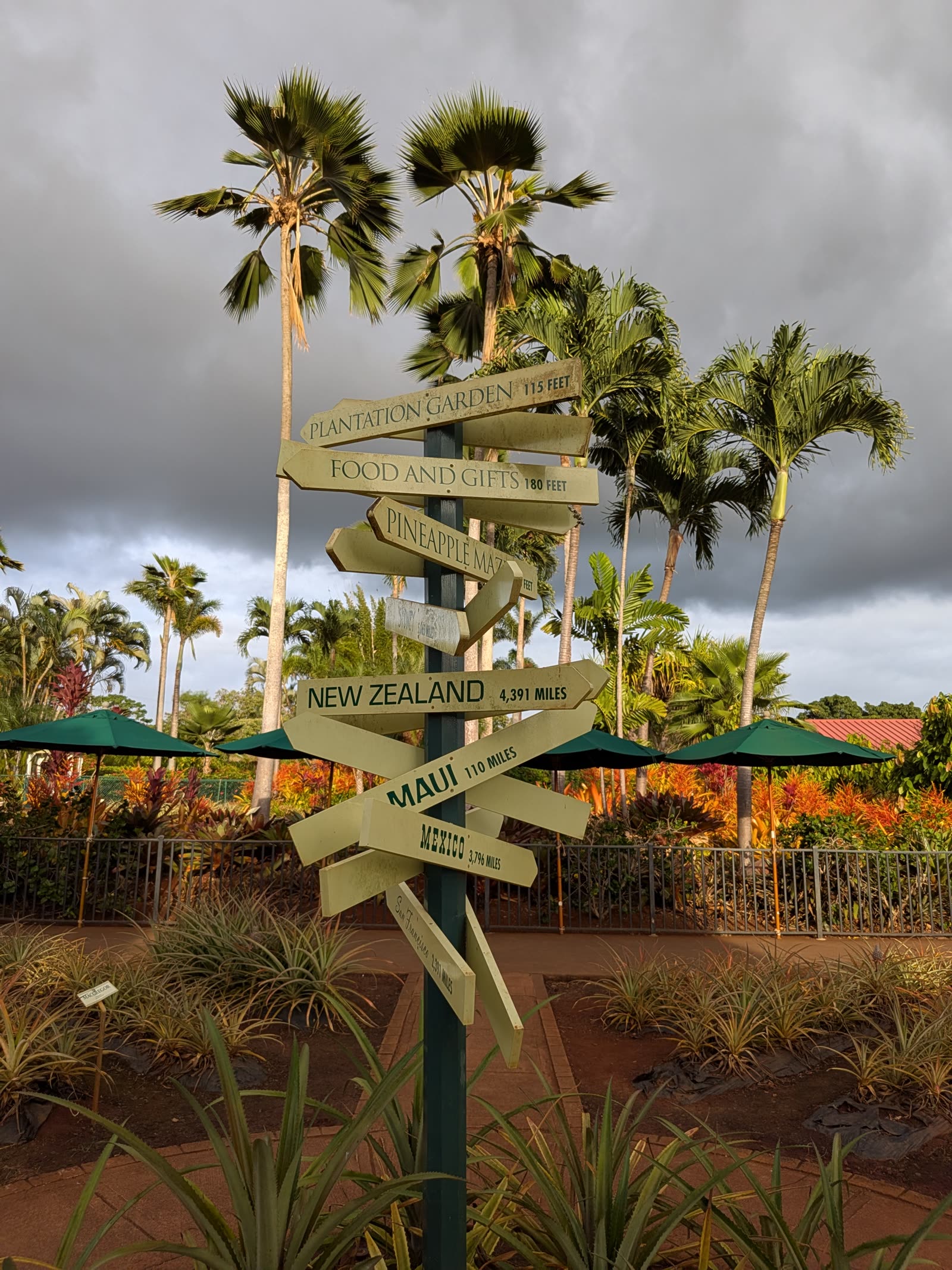
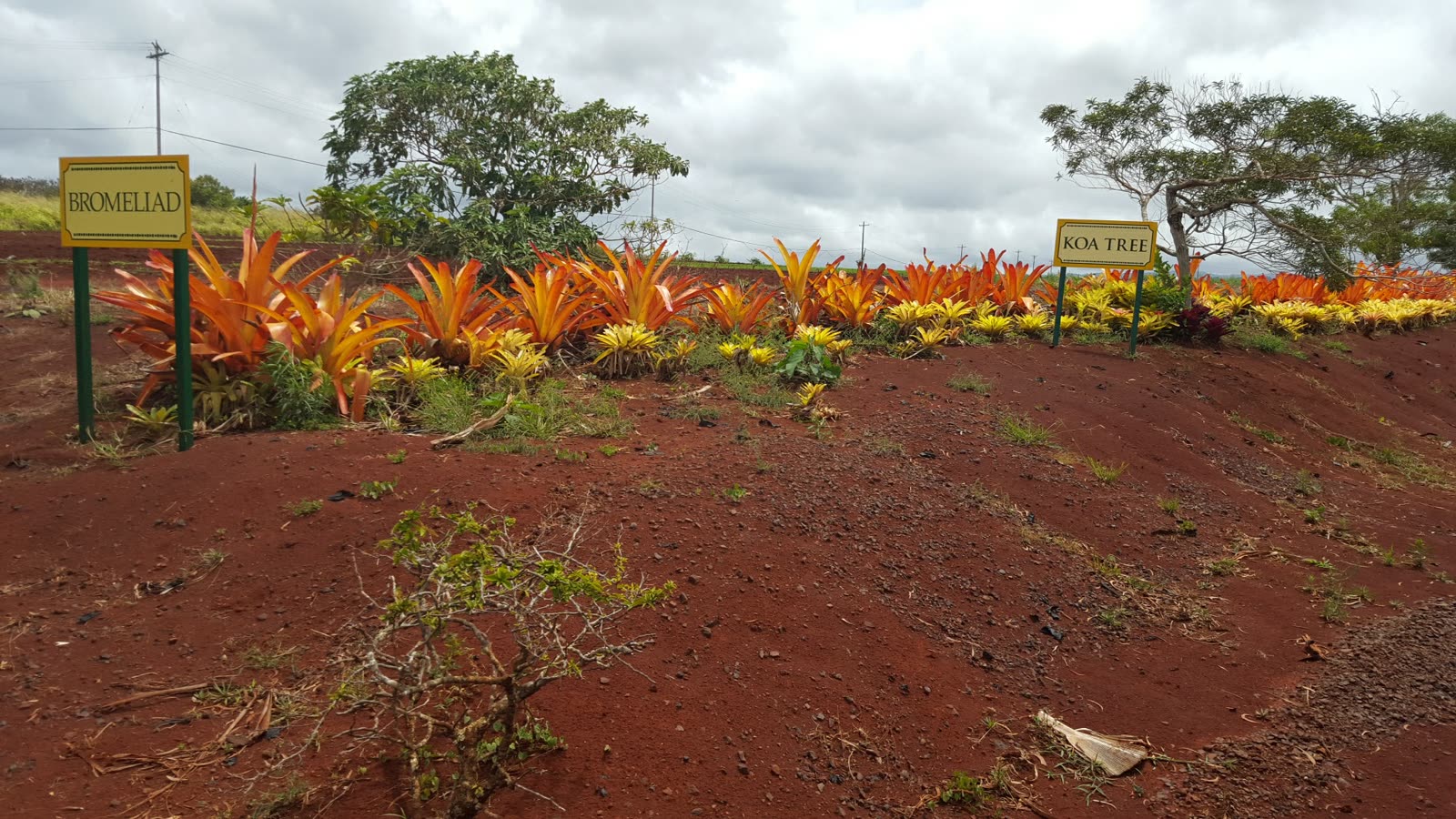
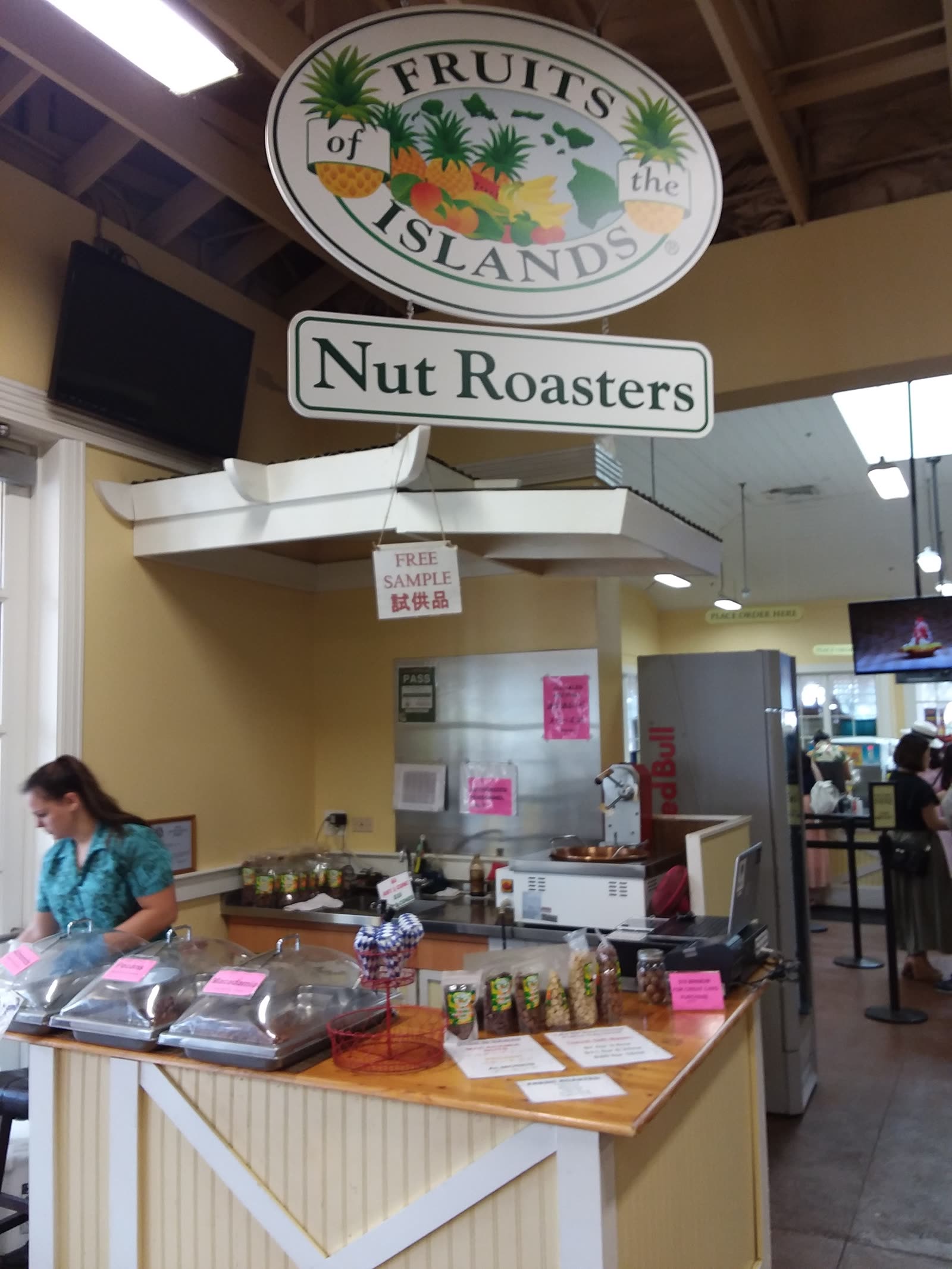
The Dole Plantation is the classic central-Oahu family stop: the Pineapple Express train, the garden tour, and the giant Pineapple Garden Maze — all set on the plantation that put Hawaiian pineapple on the map. Walking the grounds and browsing the gift shop is free; you only pay for the activities you want.
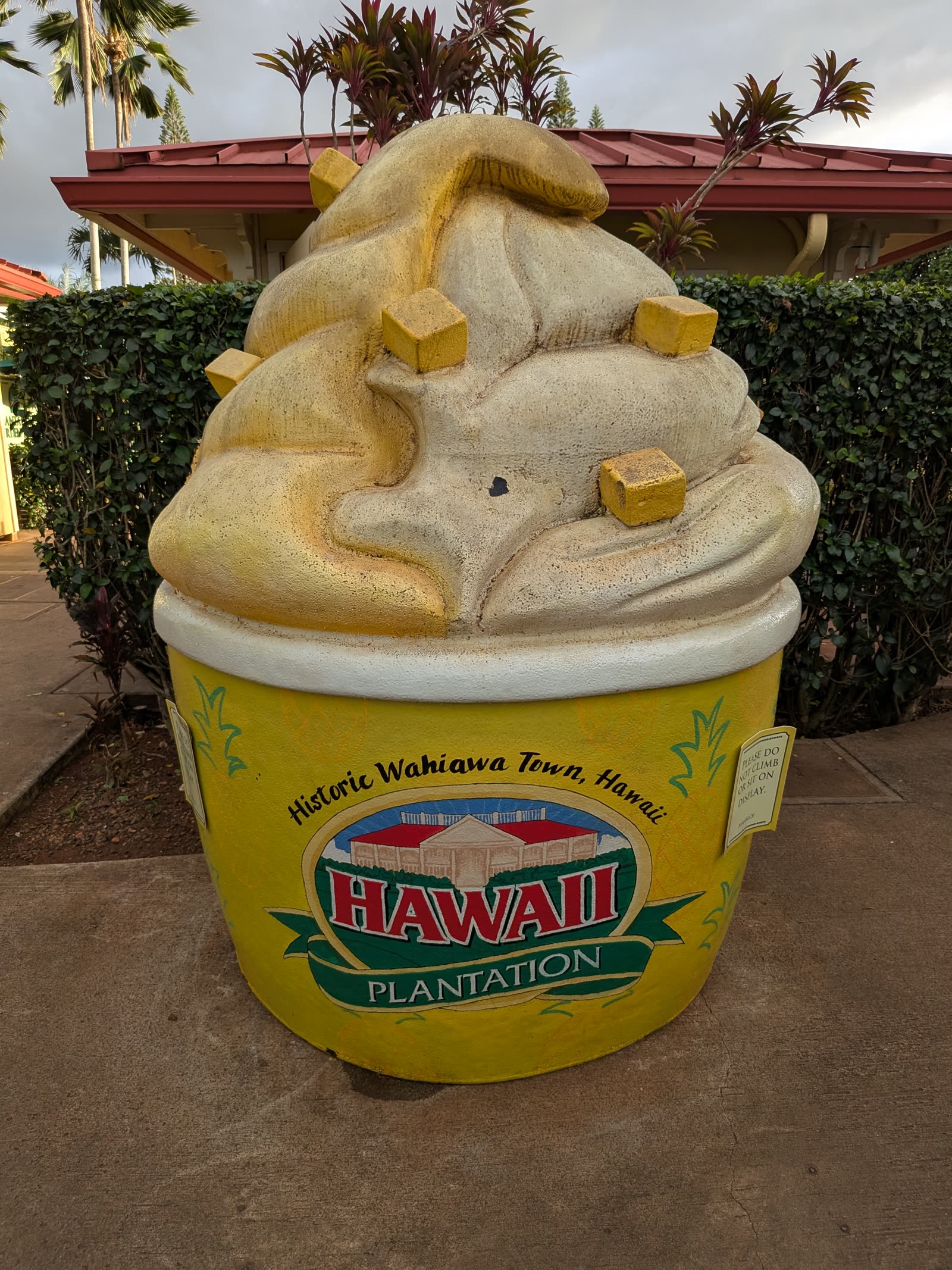
And then there's the Dole Whip — the legendary pineapple soft-serve that made this place a pilgrimage. Get one. That's the whole review. More on Dole Whip in our Food & Drink guide →
The pineapple fields deserve a coin of their own — the Pineapple Plantation coin is available at oahucoins.com.
$49.99
View coin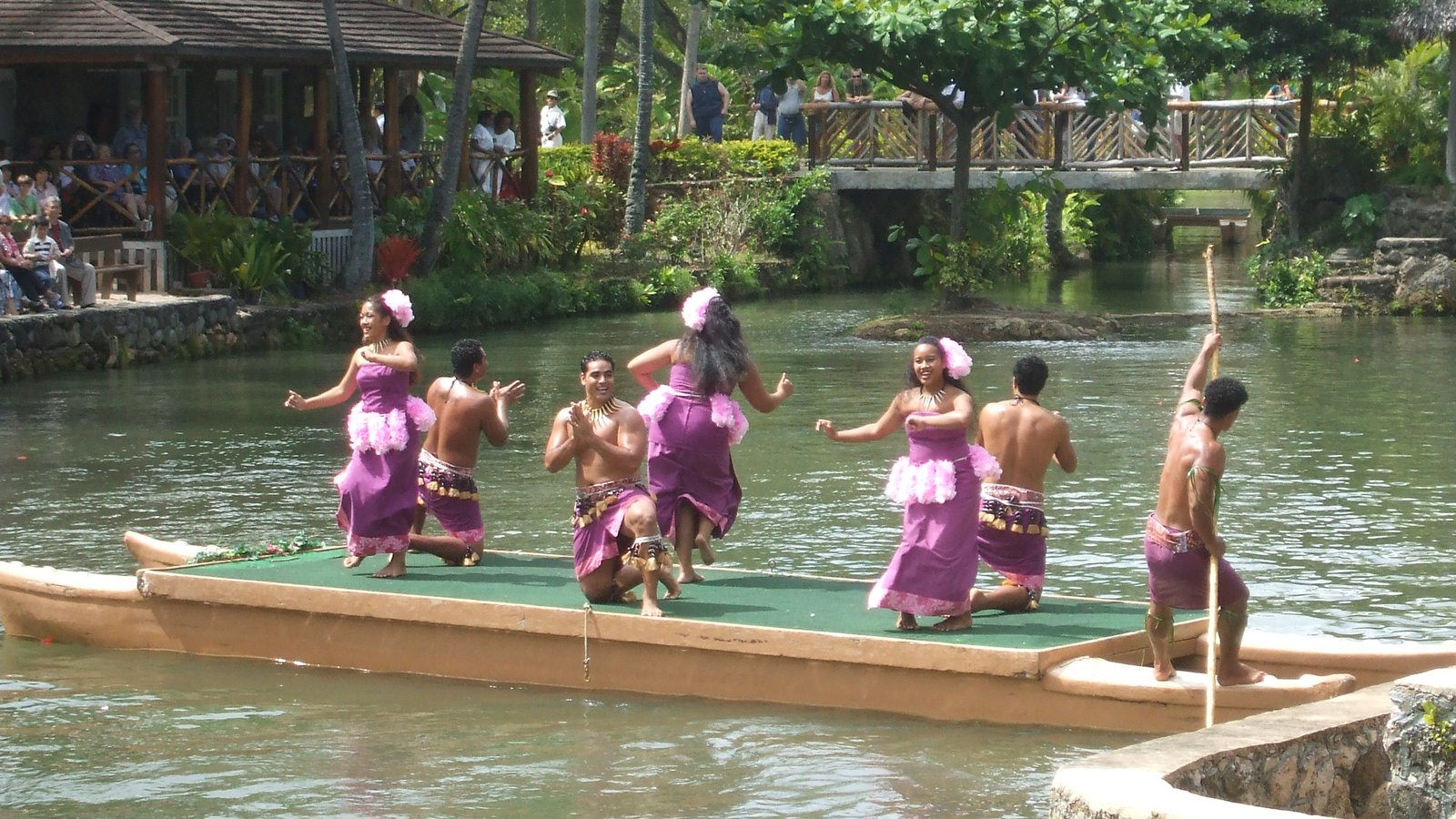
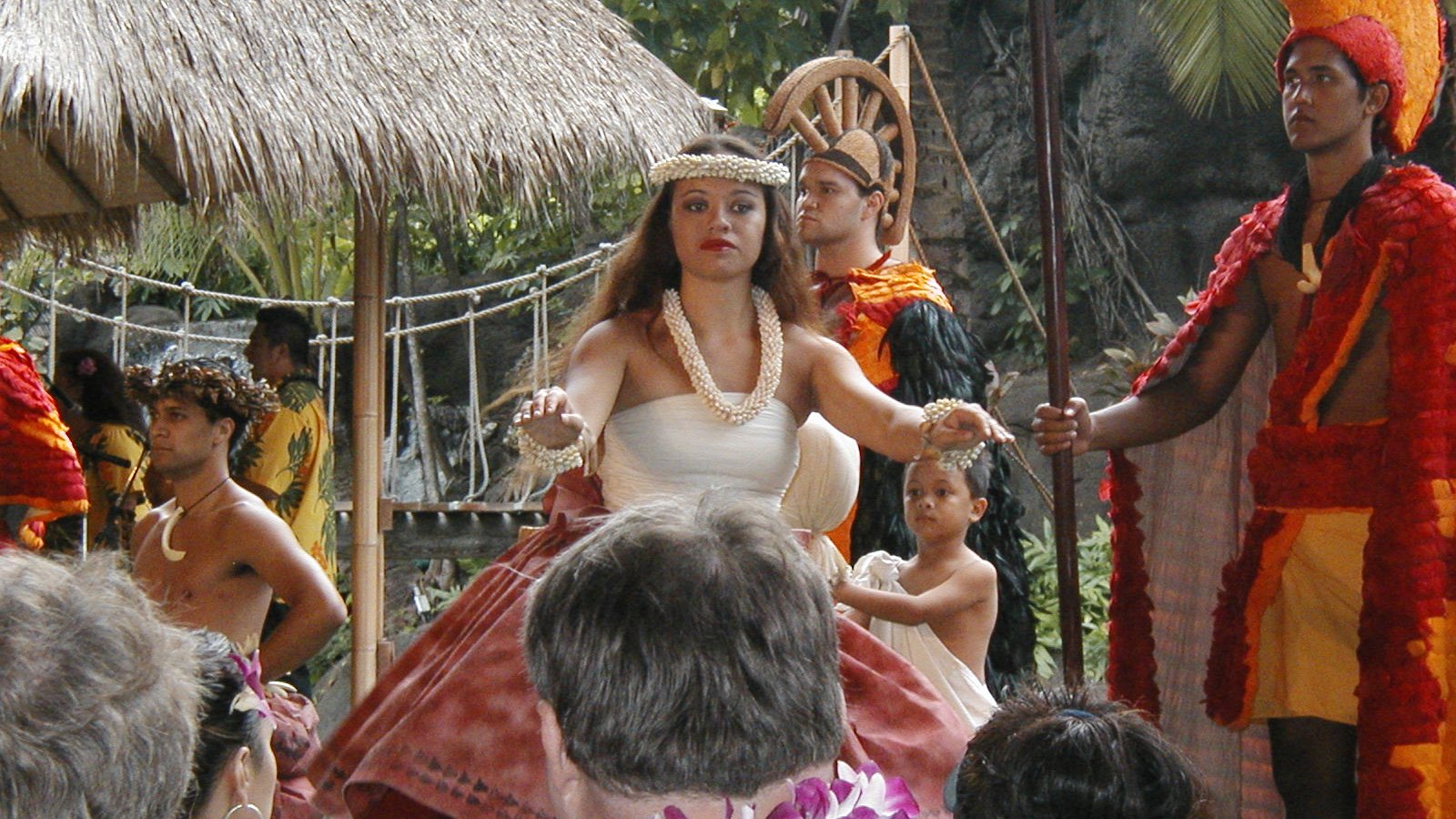
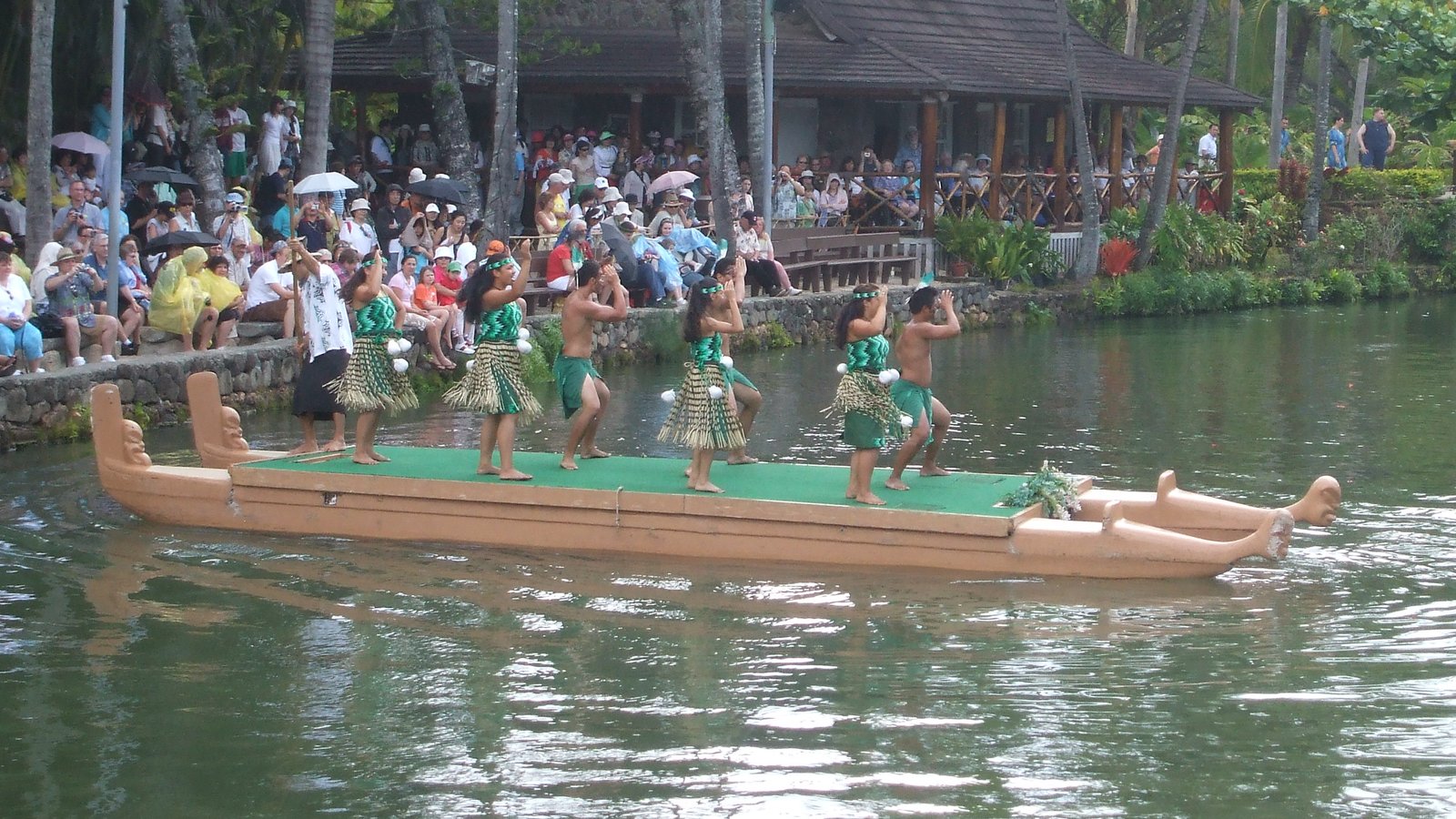
Six Polynesian island villages, one massive lagoon, and the best evening show on the island — the Polynesian Cultural Center is a full day, not an afternoon stop. By day you wander from village to village learning dances, games, cooking, and crafts from cultural ambassadors; by night the HĀ: Breath of Life show brings the fire knives, the drums, and the story of Polynesia to the stage.
The lū'au packages turn dinner into part of the show — kalua pig pulled from the imu (underground oven), real island cooking, and entertainment through the meal. If you're choosing between packages, decide how much of the evening show matters to you: the daytime-only package is the value play, the evening-show packages are the unforgettable one. More on lū'au dining in our Food & Drink guide →
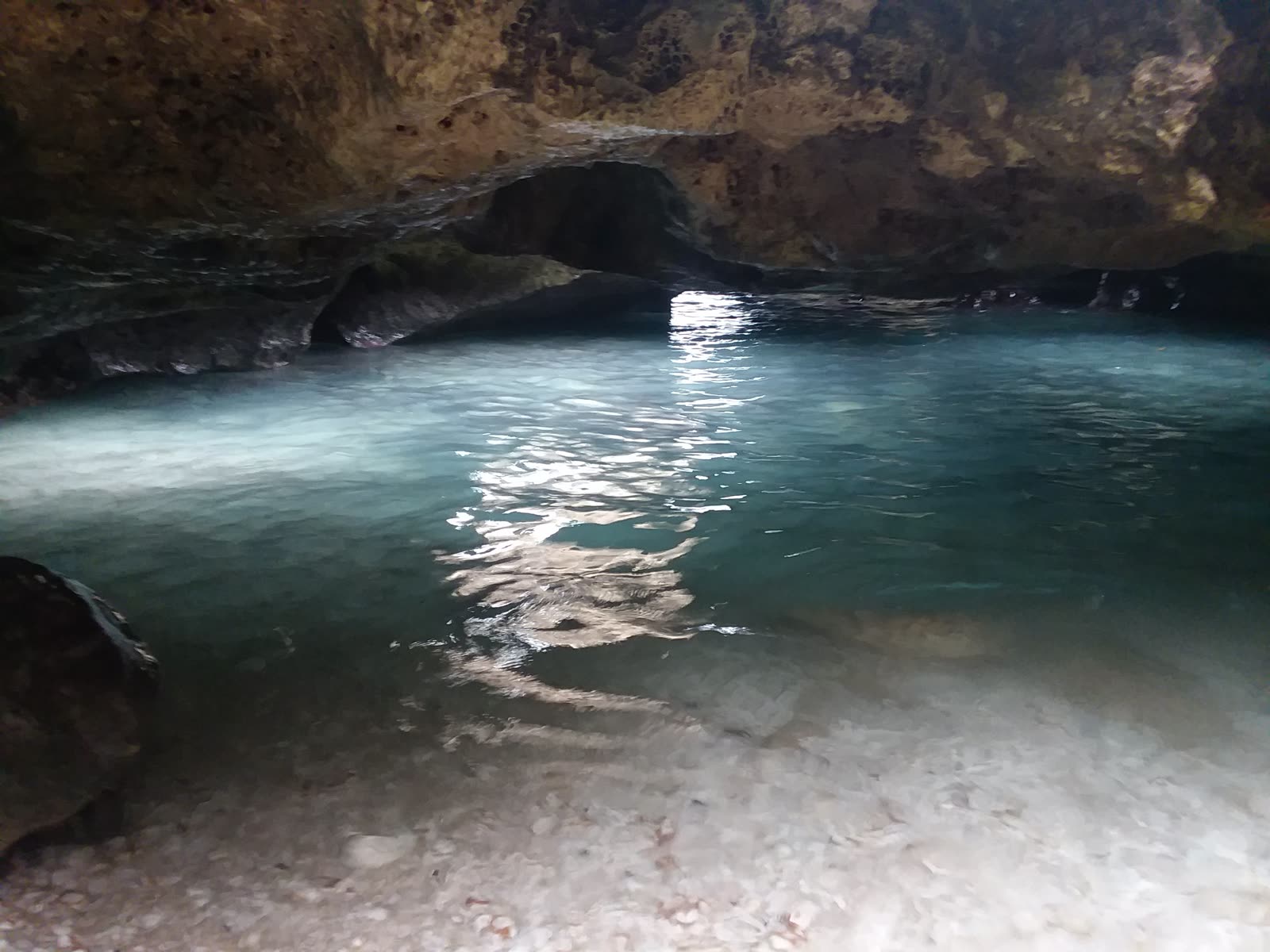
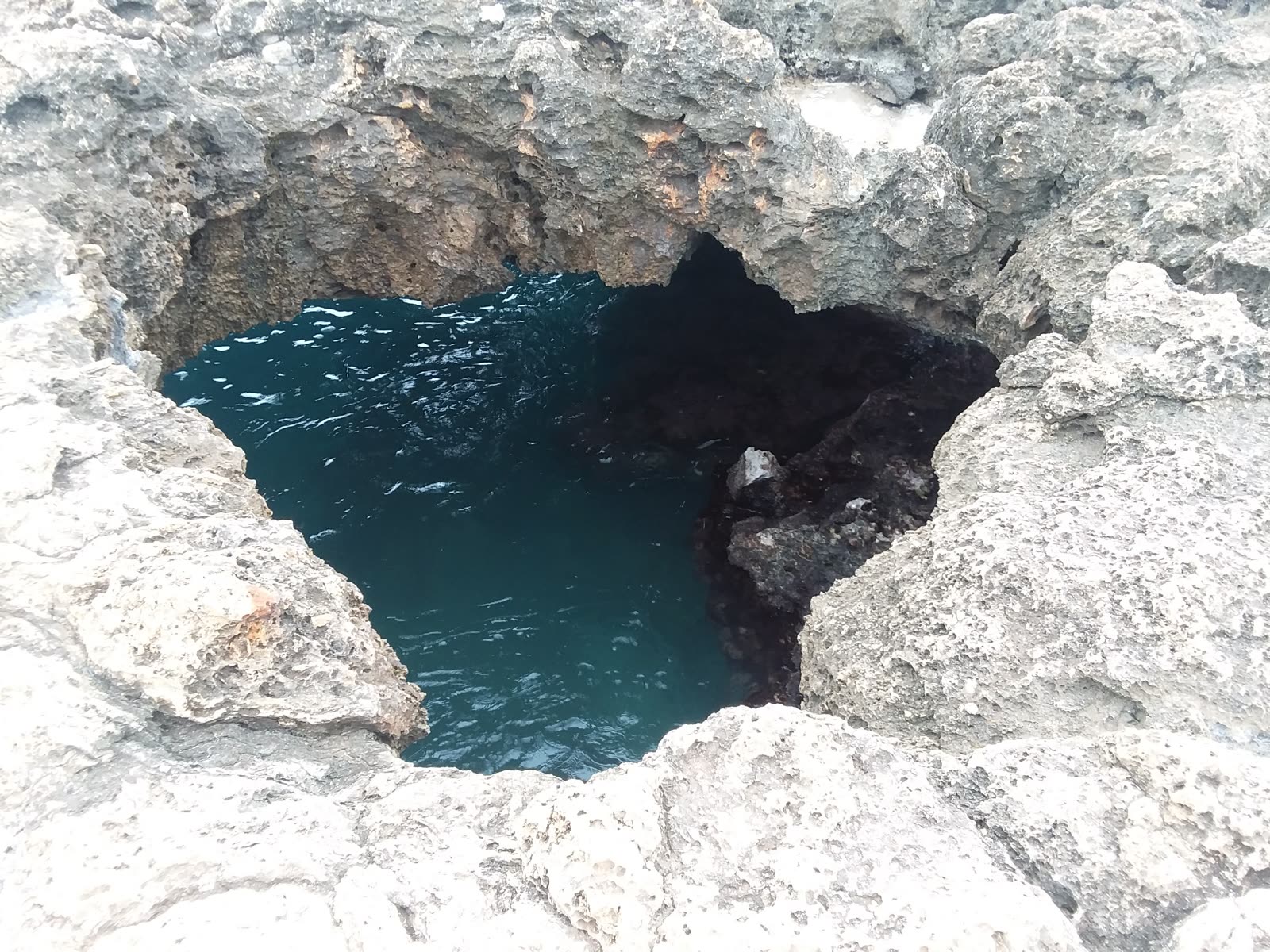
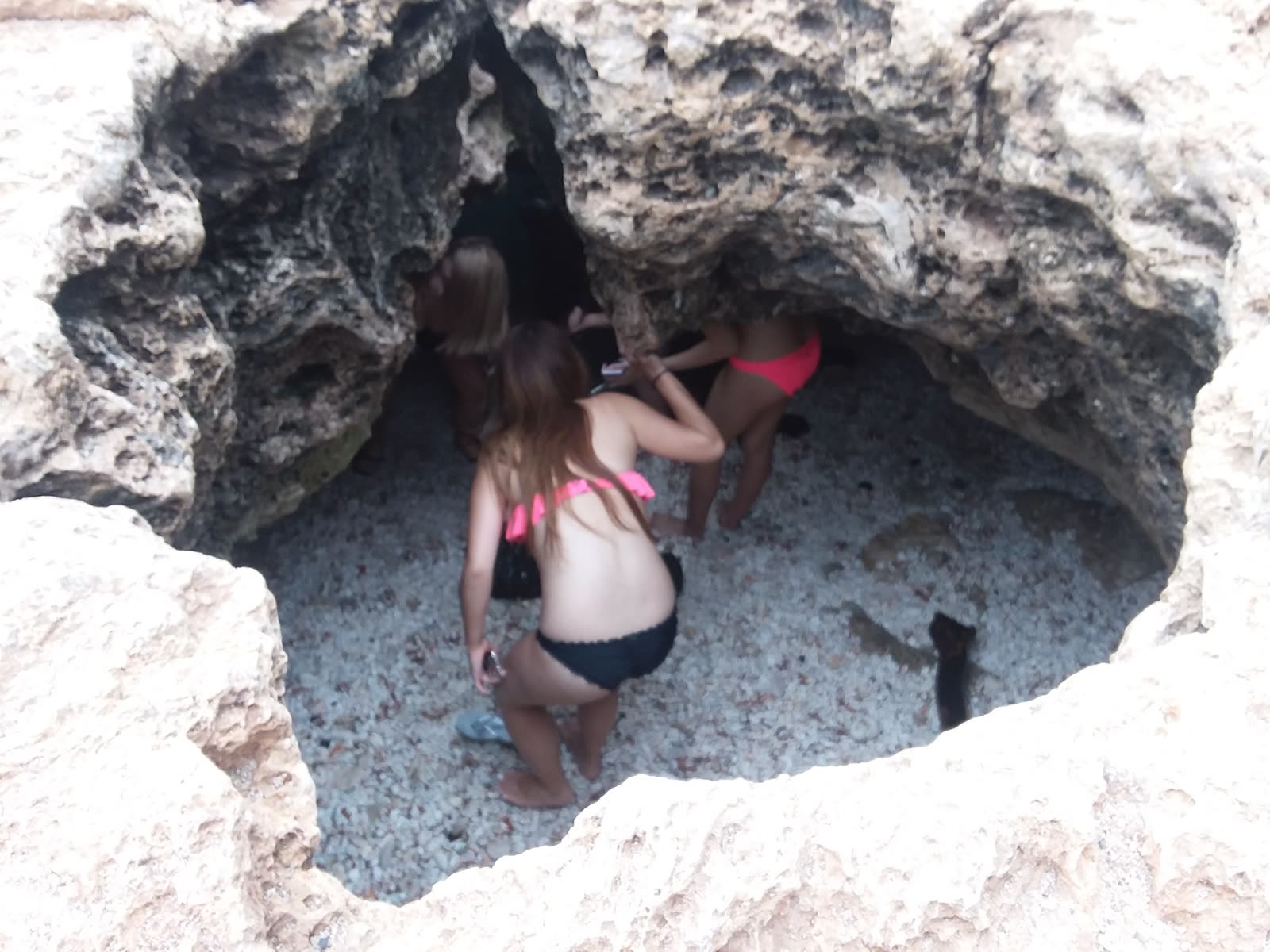
The Mermaid Caves are a series of lava-tube sea caves on the Waianae coast where sunlight pours through openings in the rock and lights the water from below. When conditions are right, it's pure magic — crystal water, glowing rock, nobody around.
But "when conditions are right" is doing a lot of work in that sentence. These are ocean caves, not a park attraction. Strong currents can slam you into rock and sweep you out past sharp reef; there are no lifeguards, no staff, and no one to help. Low tide and calm surf only — check the surf report before you even drive over, and if the water looks at all rough, walk away. It's free, it's unmanaged, and the ocean makes the rules here.
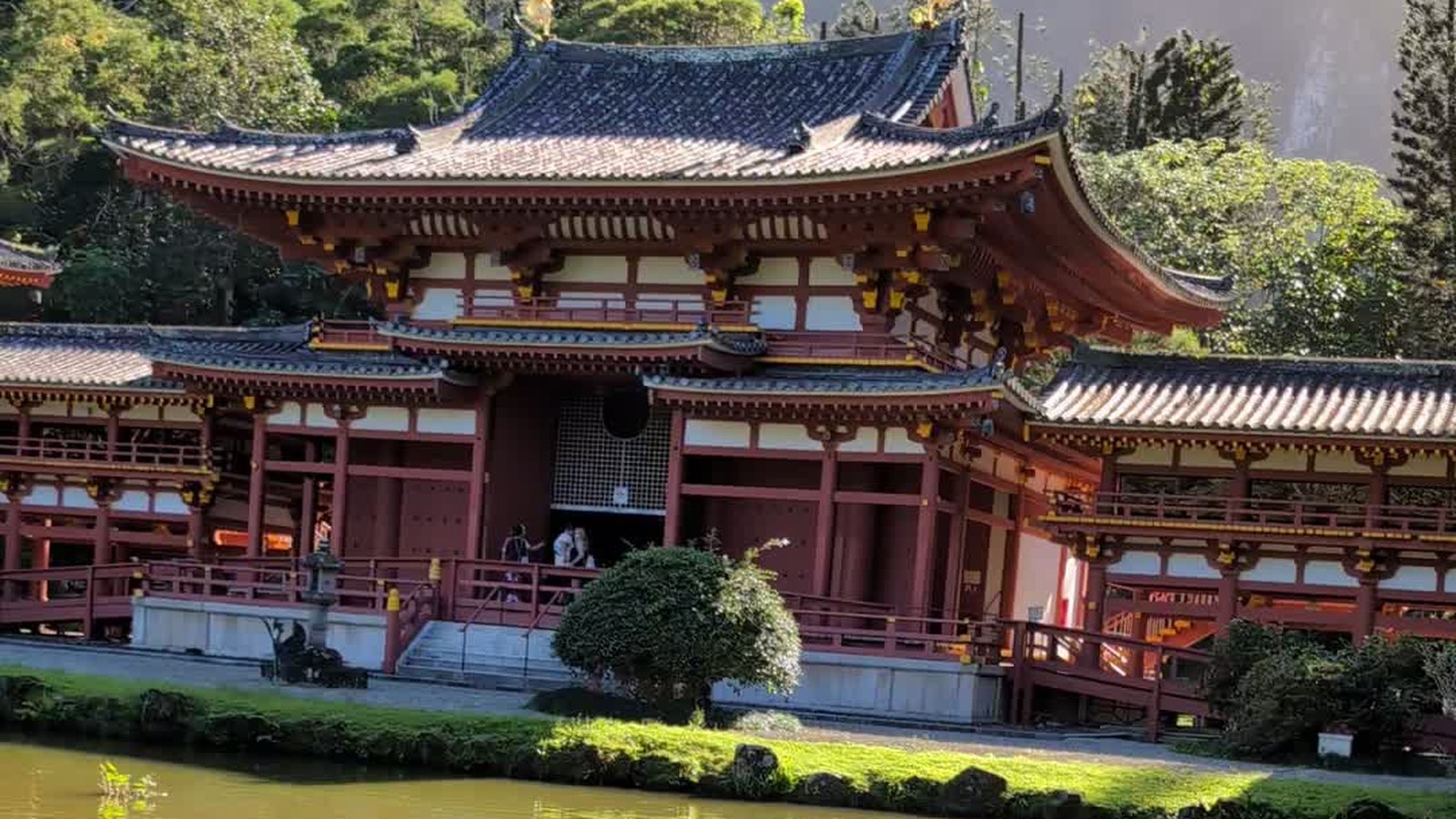
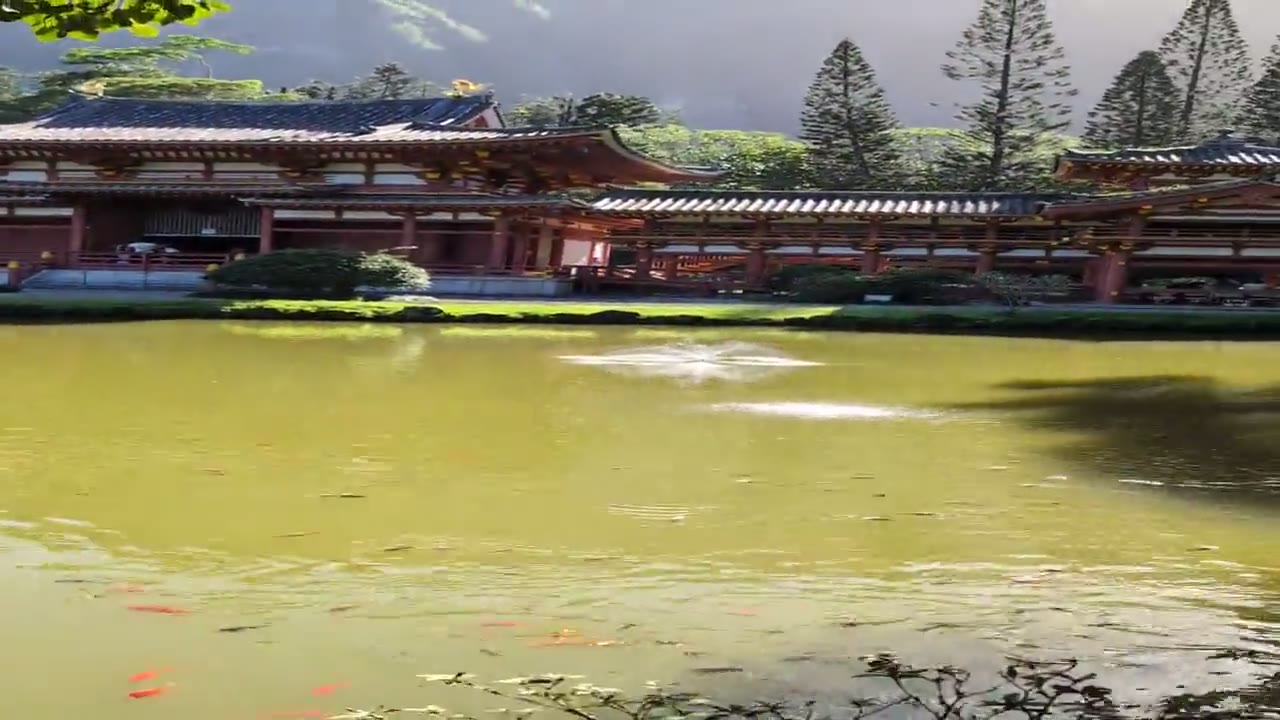
The temple front, with the Koʻolau cliffs standing over it.
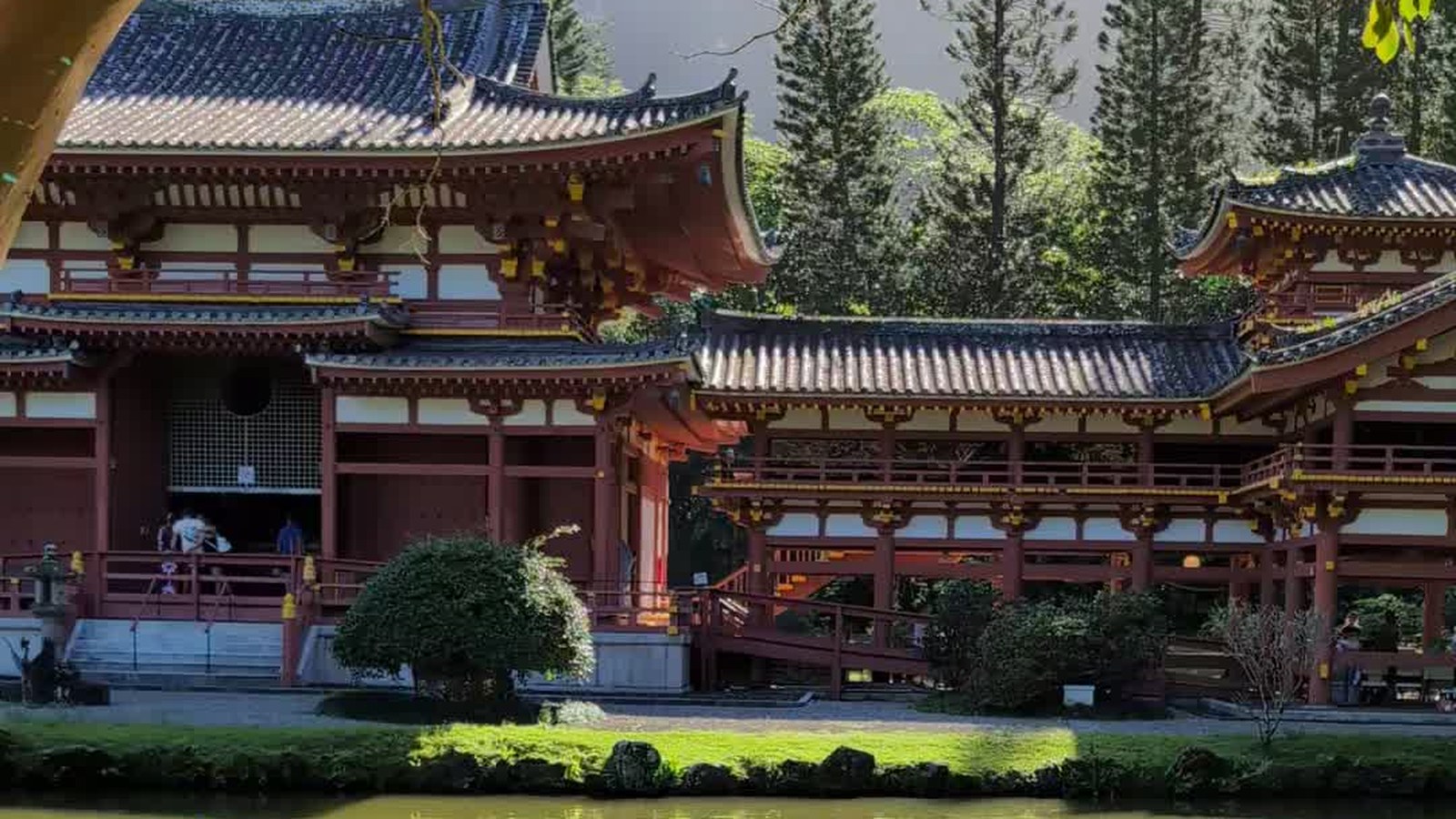
Across the koi pond — about two acres of ponds wrap the temple.
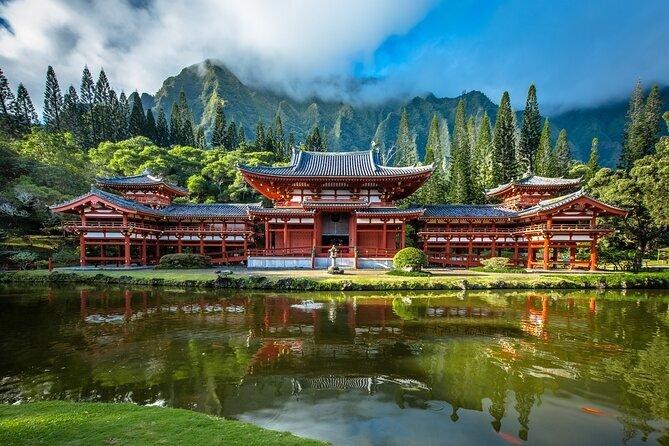
The Phoenix Hall reflected in the pond.
Tucked into the Valley of the Temples at the foot of the Koʻolau cliffs, Byodo-In is a scale replica of the nearly 1,000-year-old Byodo-in temple in Uji, Japan — dedicated in 1968 to mark 100 years since the first Japanese immigrants arrived in Hawaiʻi.
Ring the peace bell, wander the gardens, and look for the black swans and peacocks that roam the grounds. It's non-denominational, open to everyone, and deliberately quiet — the calmest hour you'll spend on the windward side.
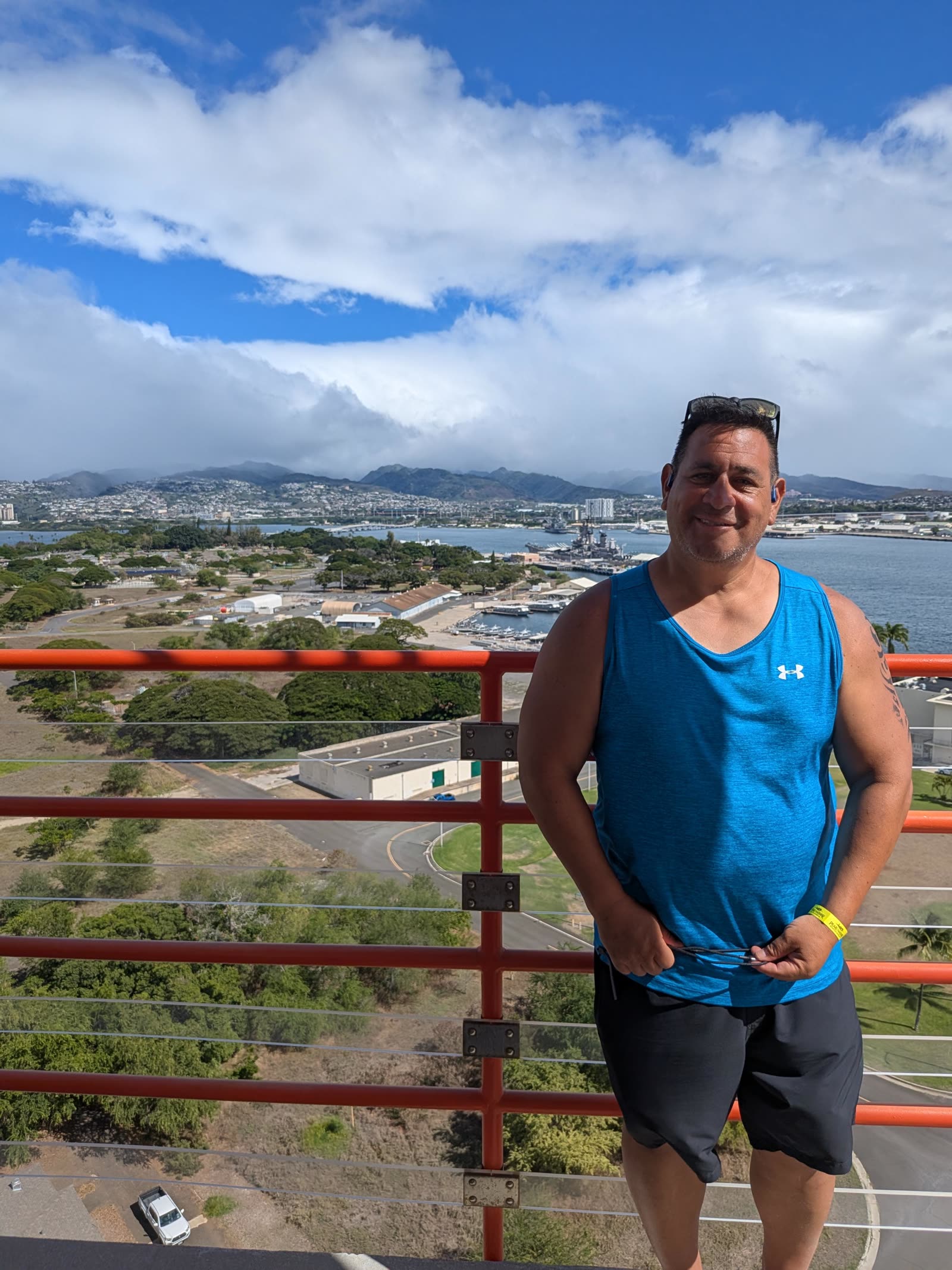
Michael alongside the Mighty Mo on Ford Island.
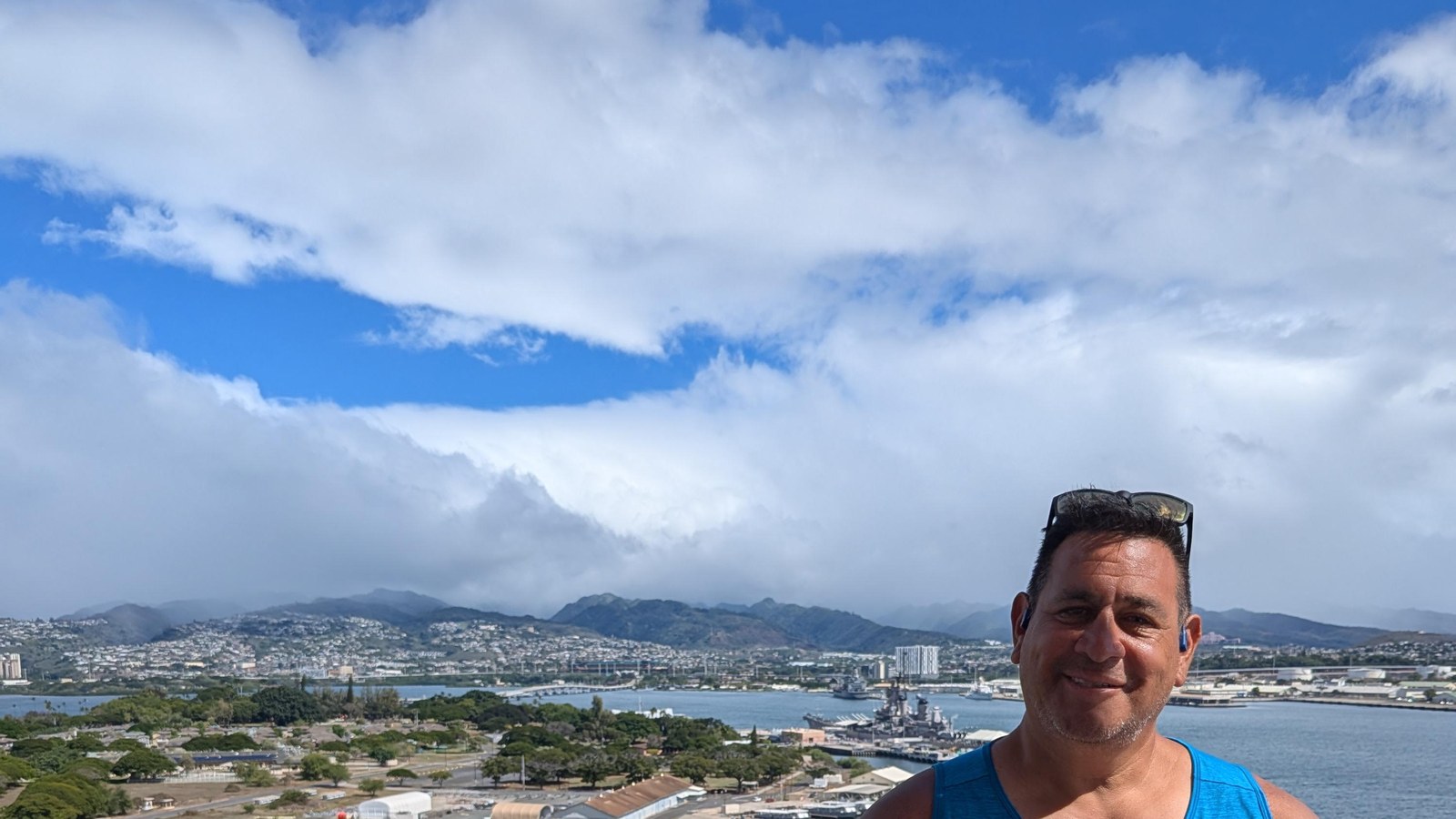
From the Ford Island control tower — the Missouri at her berth below.
The Arizona is where World War II started for America; the Missouri is where it ended. On September 2, 1945, Japan signed the Instrument of Surrender on her deck in Tokyo Bay — and today she sits at Ford Island, a few hundred yards from the Arizona Memorial, as the other bookend of the war.
Walk her decks on a guided or self-guided tour: stand on the Surrender Deck, look for the dent a kamikaze left in her side in 1945 — never repaired — and get a feel for how a crew of thousands lived inside an 887-foot ship.
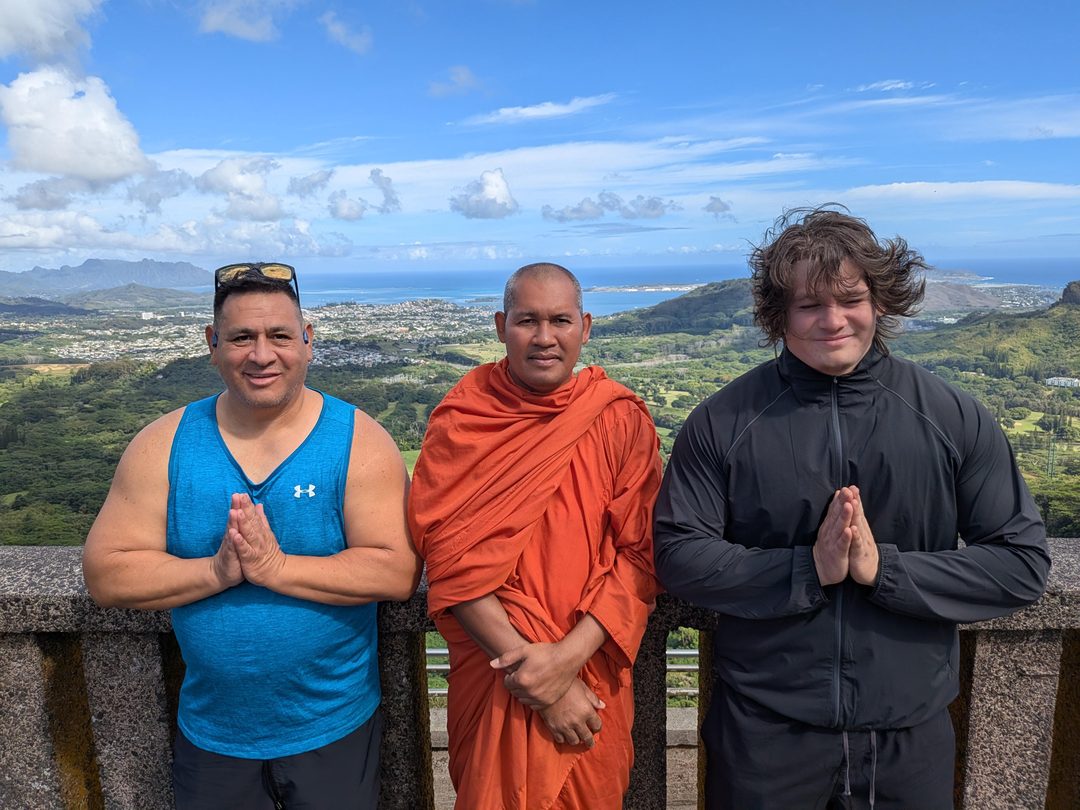
Michael and Jawson at the Pali — the windward coast spread out below.
Five miles out of downtown, the Pali Highway climbs to the gap in the Koʻolau cliffs — and the lookout sits on top of the pass, 1,168 feet up, staring straight down the windward coast: Kāneʻohe, Kailua, and the whole green wall of the Koʻolaus. The trade winds funnel through the gap so hard you can lean into them.
It's a ten-minute stop that belongs in every windward day: drive up from Honolulu, take the lookout, then drop down the other side into Kailua or Kāneʻohe. Bring a layer — it's cooler up here, and the wind is not a metaphor.
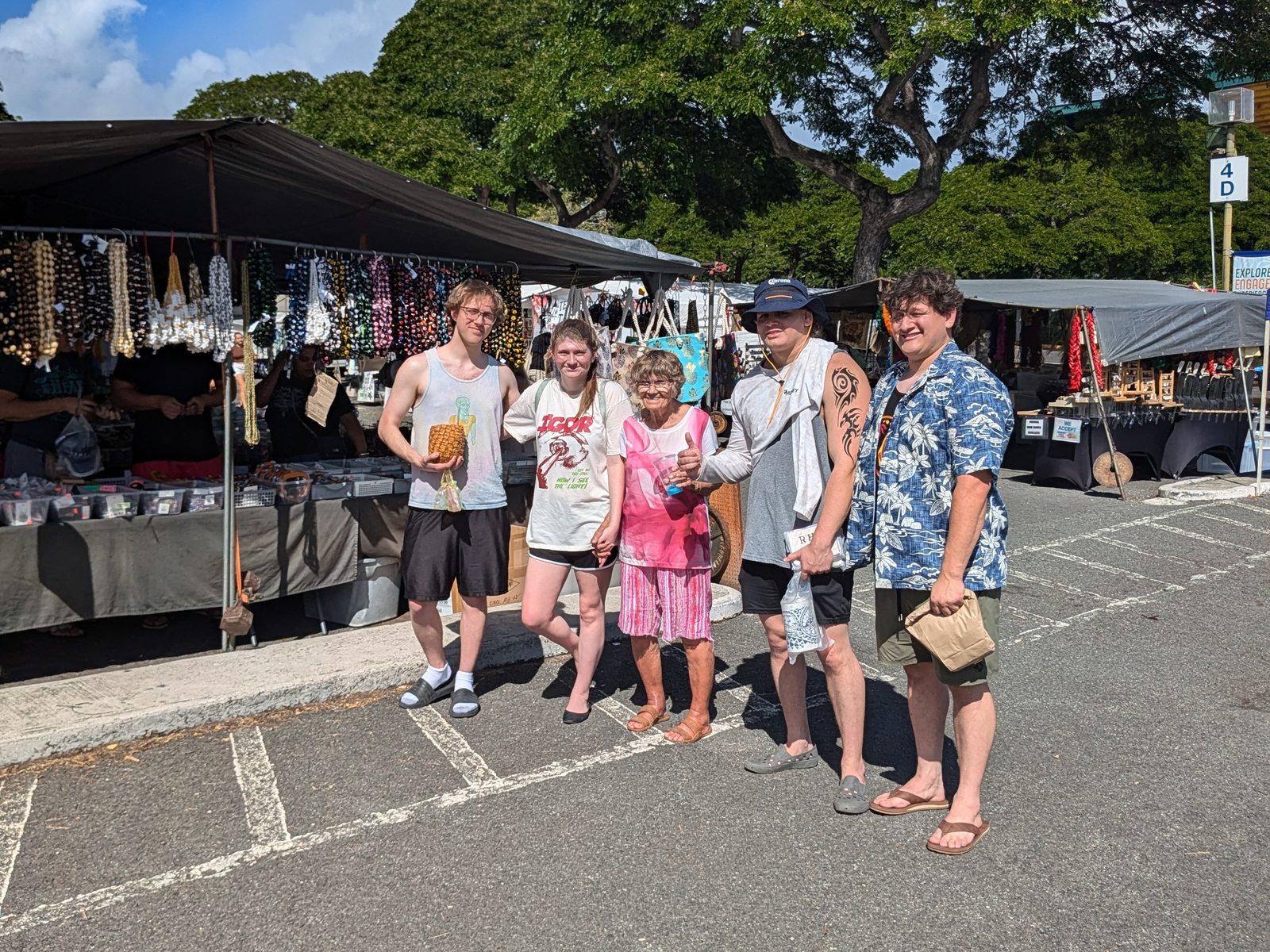
Stalls as far as you can see.
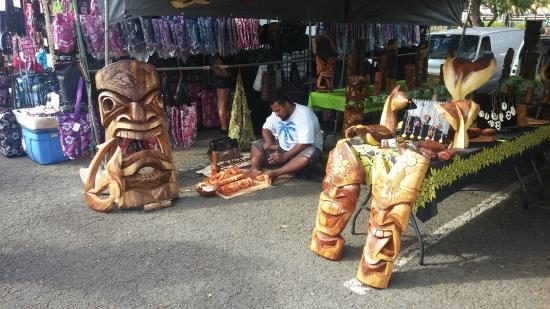
Fresh-carved tiki, straight from the carver.
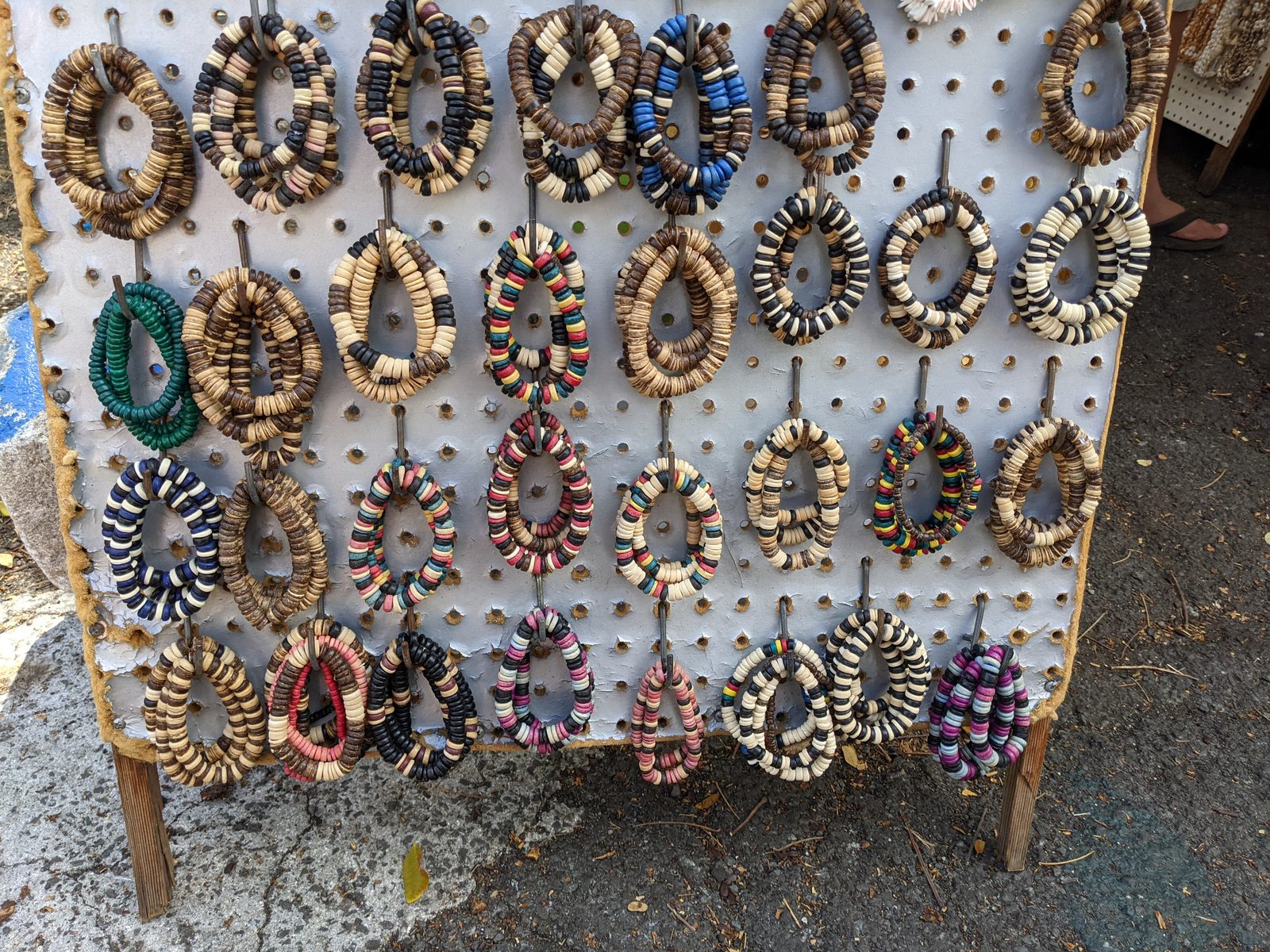
Shell-and-bead wreaths by the dozen.
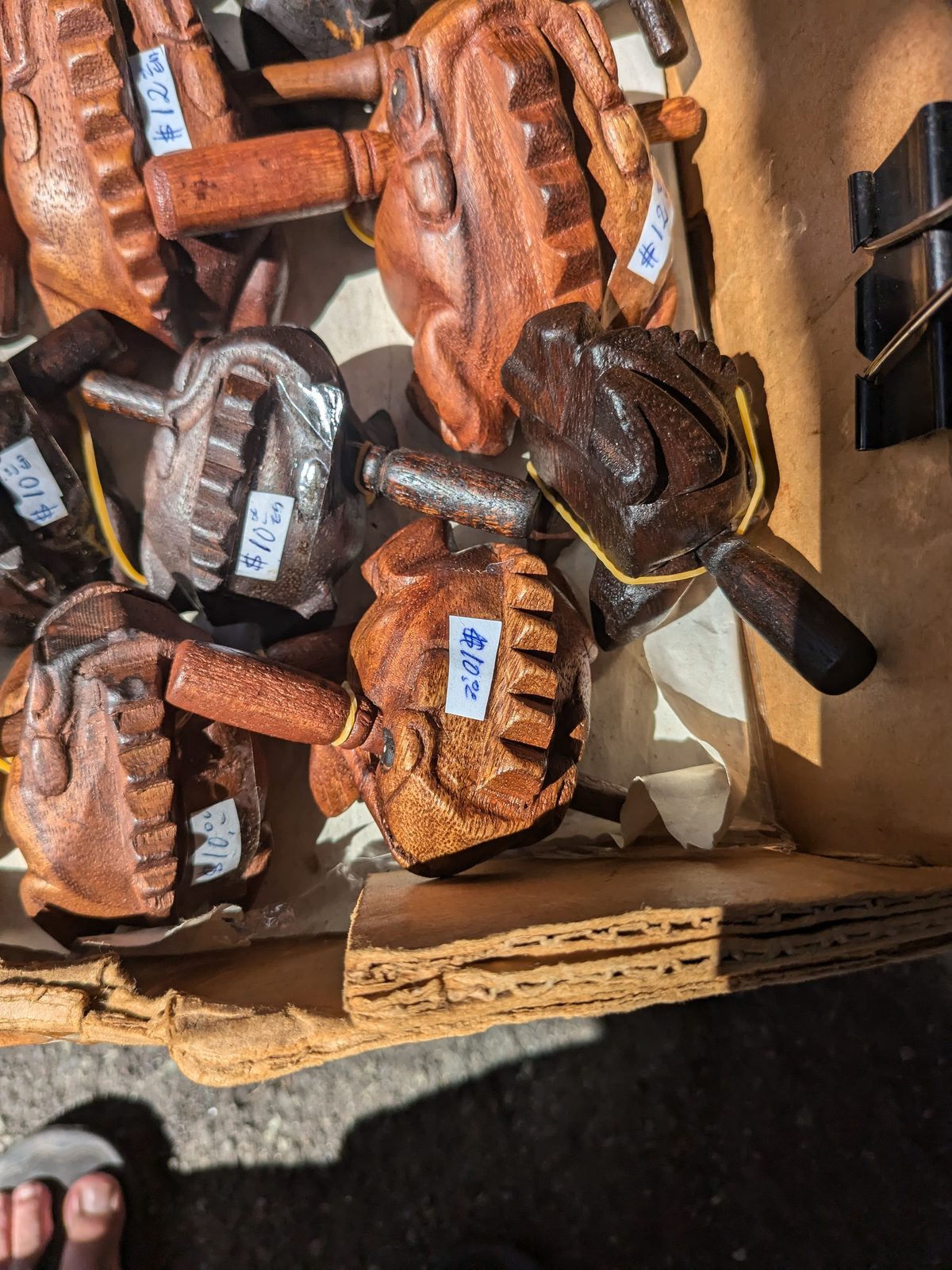
Hand-carved frogs, priced to hop.
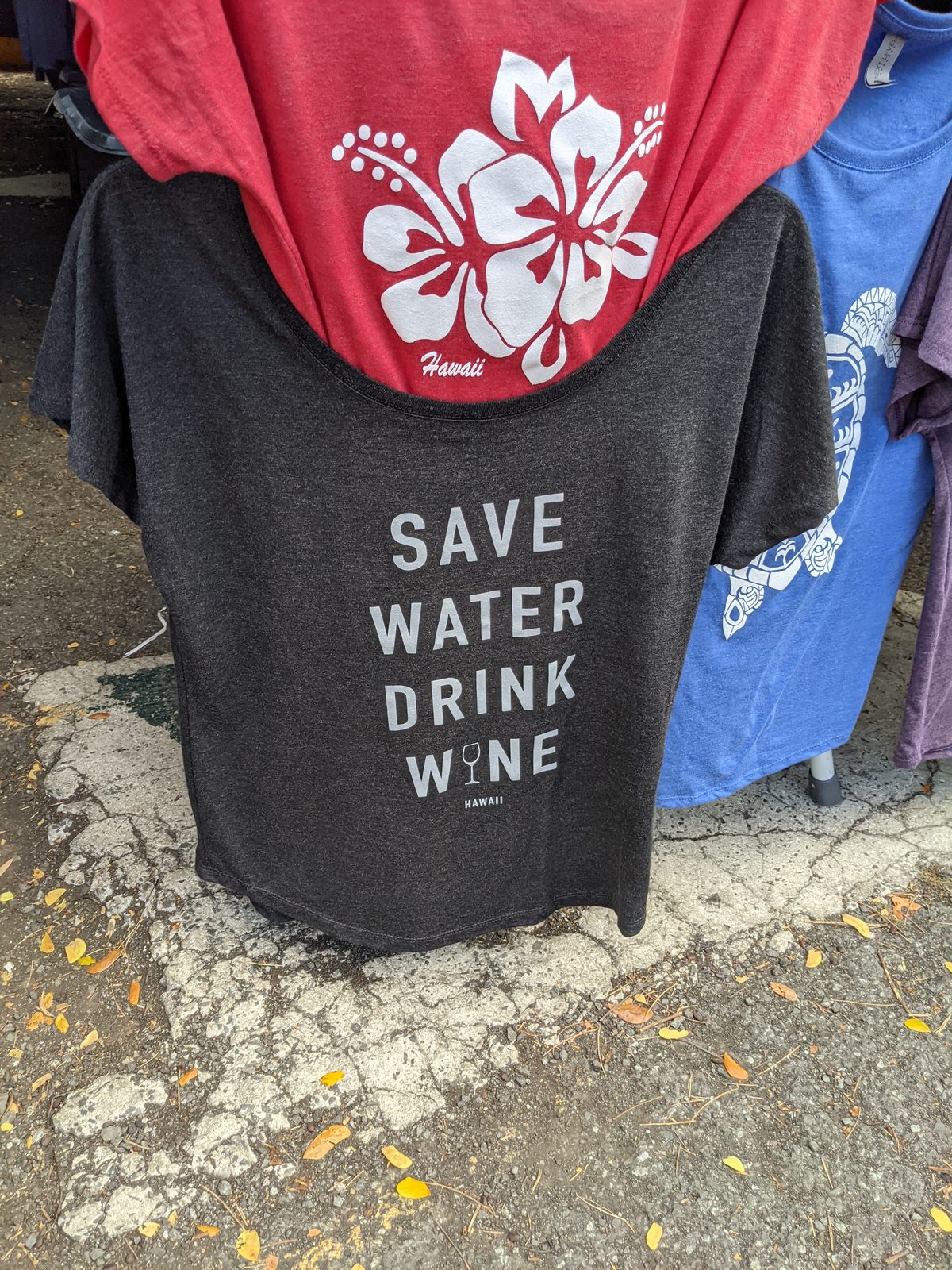
Souvenir tees — the swap meet dress code.
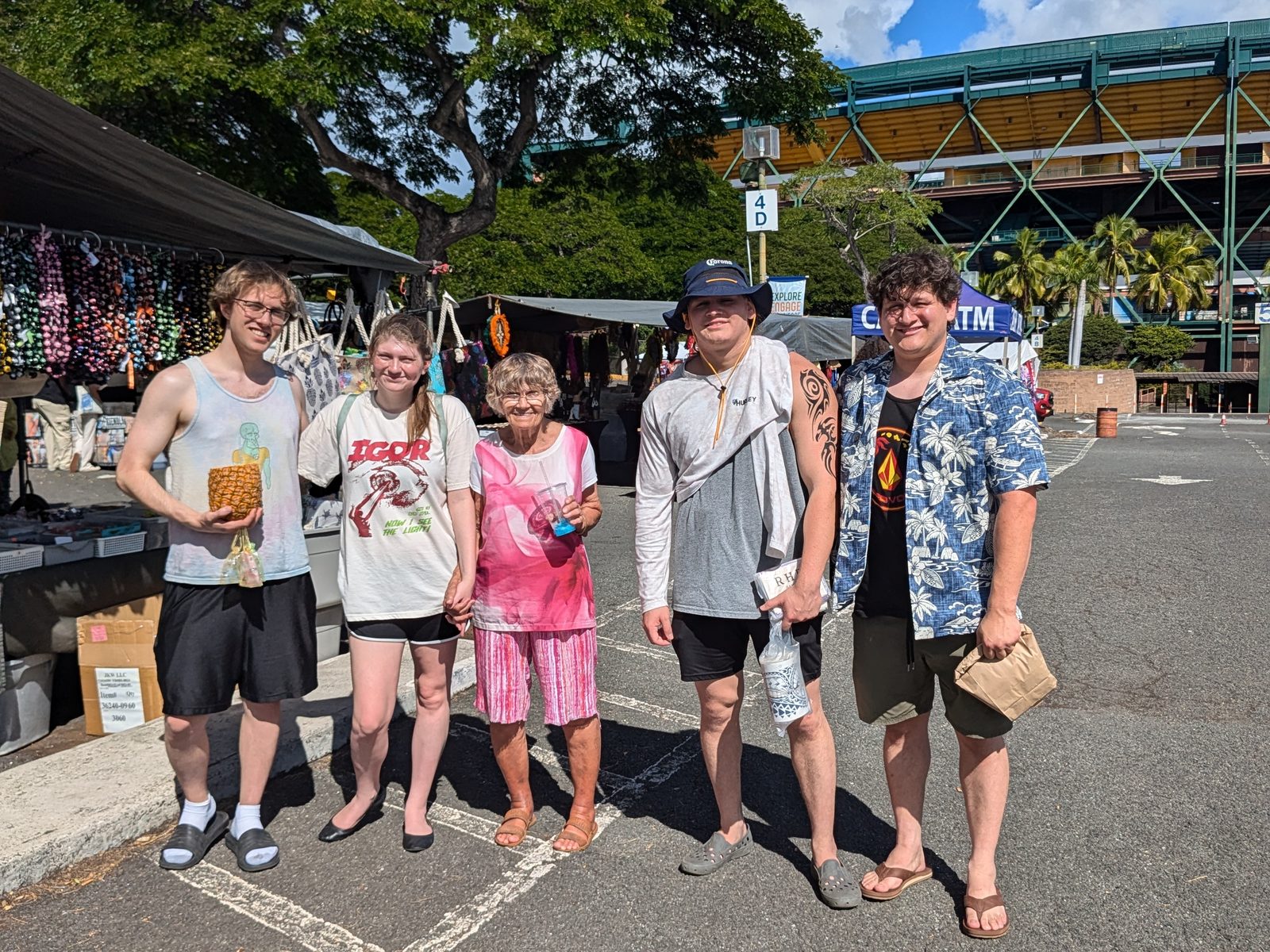
The whole crew, mid-treasure-hunt.
Three mornings a week, the parking lot of Aloha Stadium turns into the biggest open-air market in Hawaii - hundreds of vendors ringing the stadium with everything from $5 aloha wear and fresh leis to carved wood, vintage finds, and snacks you didn't know you needed. This is where Hawaii actually shops.
Wednesday is the locals' day; the weekend editions run bigger. Entry is a small cash fee, parking is plentiful, and the golden rule is comfortable shoes and a tote bag - you'll fill it. The swap meet is its own animal: part flea market, part souvenir wholesale, part treasure hunt.
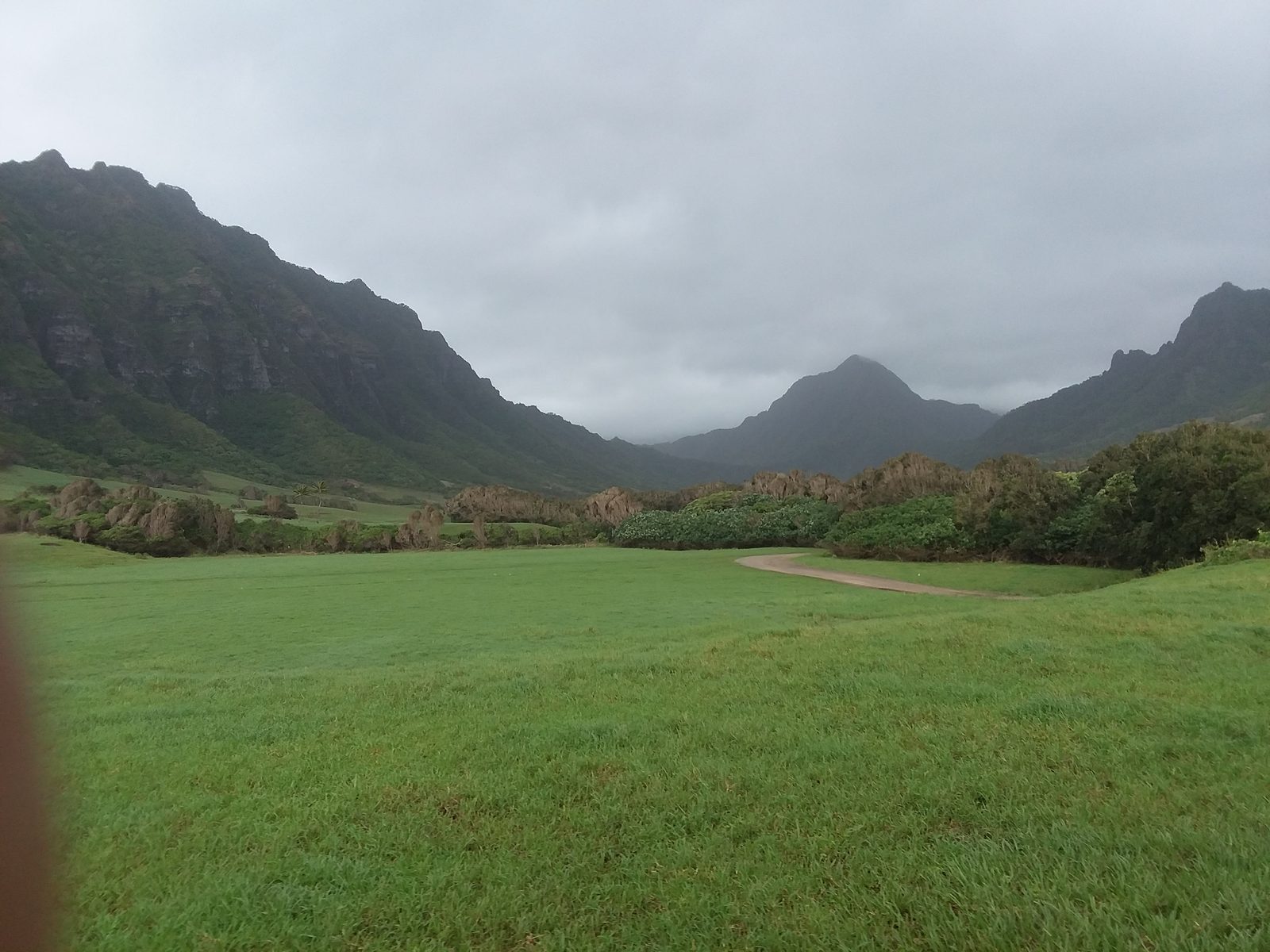
The Jurassic valley, doing its thing.
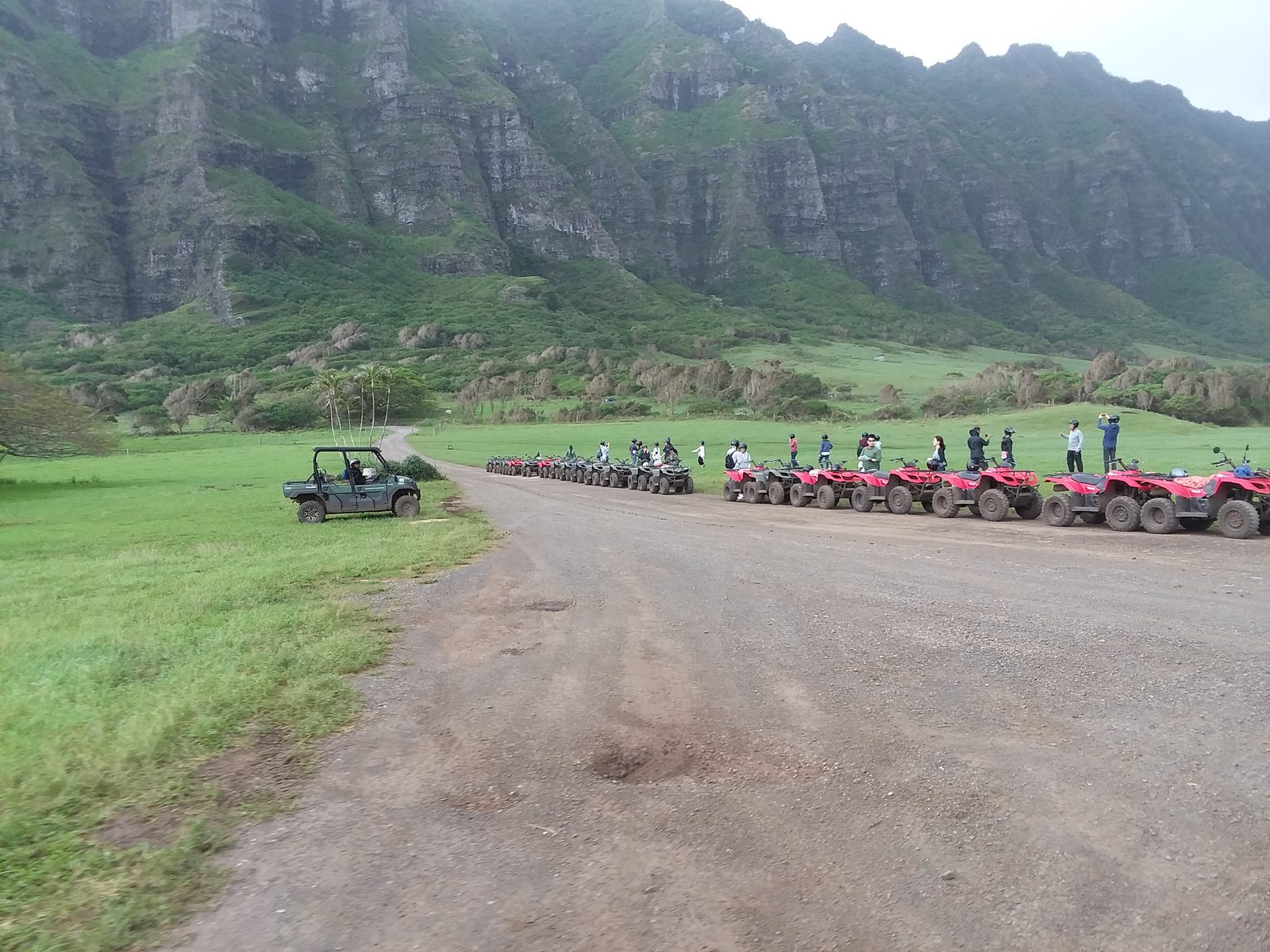
The Raptor fleet, ready to roll.
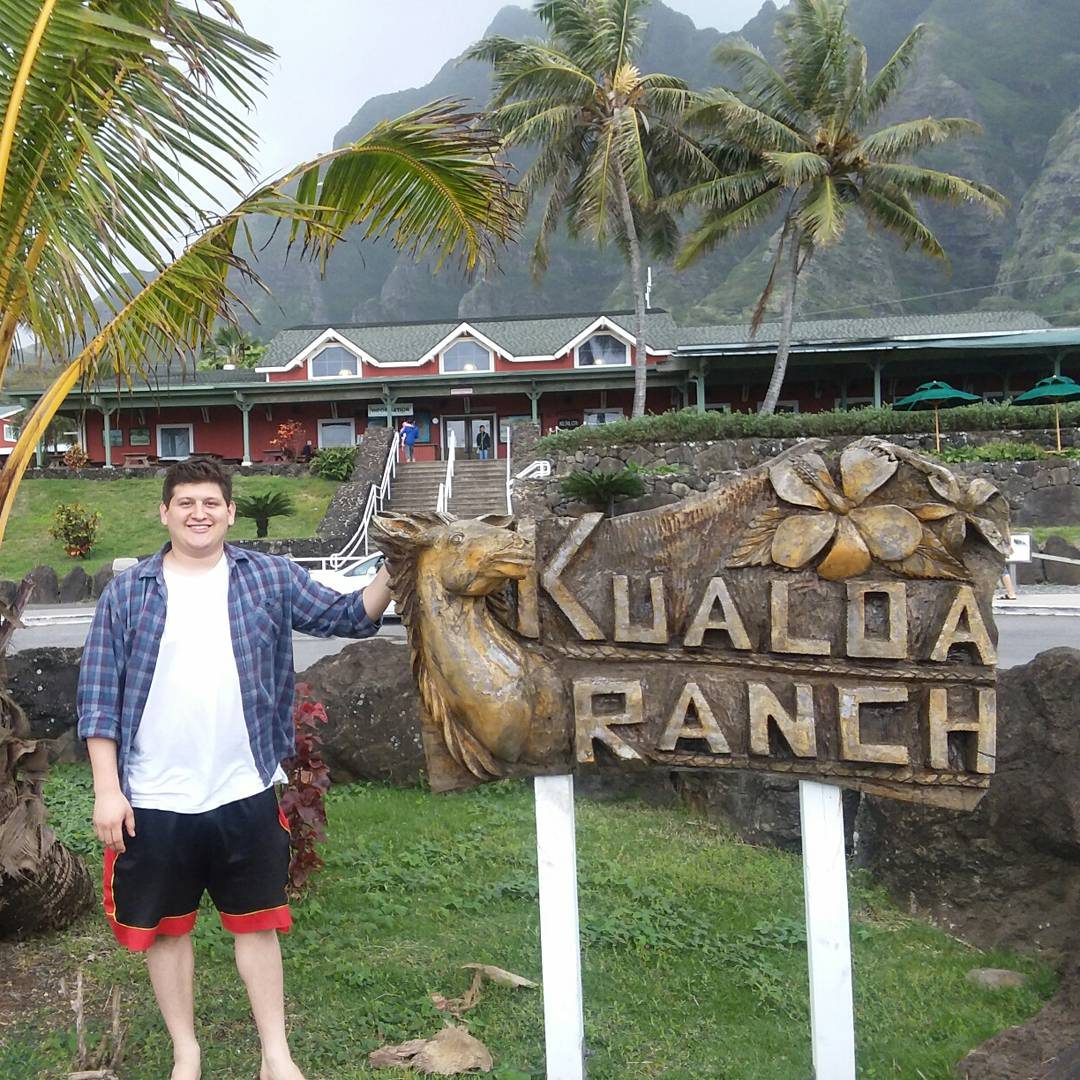
The sign shot — everybody takes it.
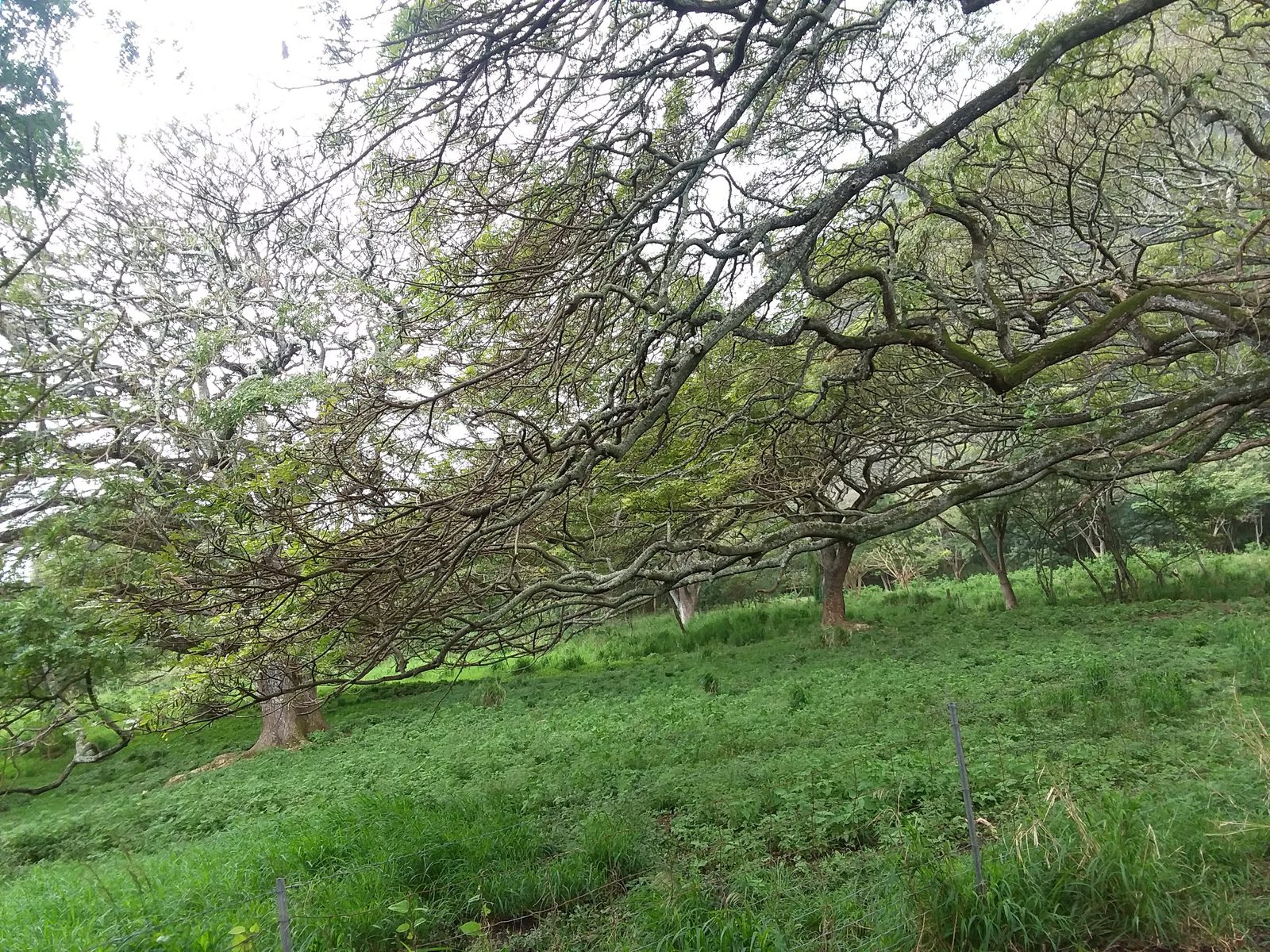
Green pasture under the monkeypods.
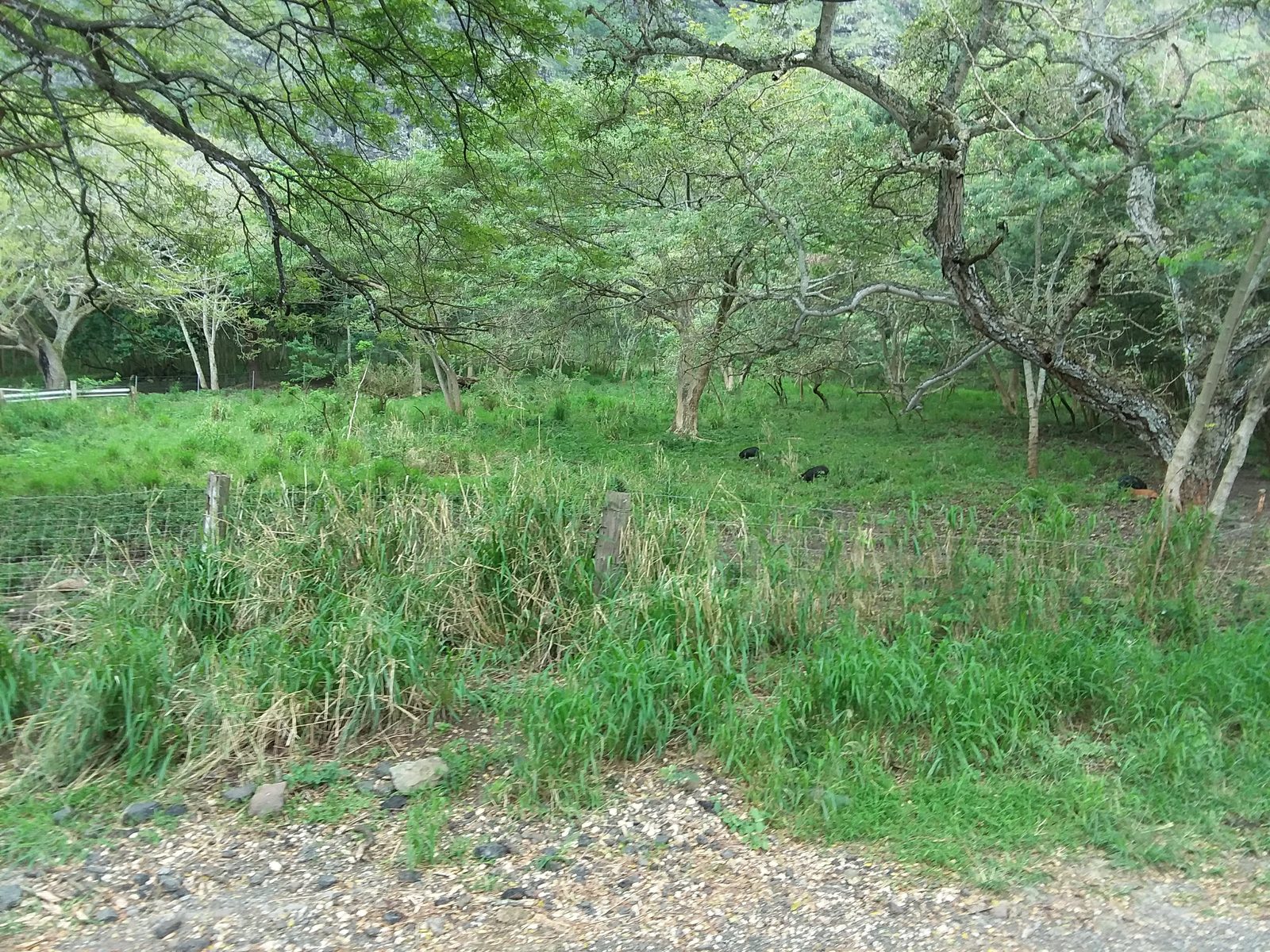
The valley floor, ranch side.
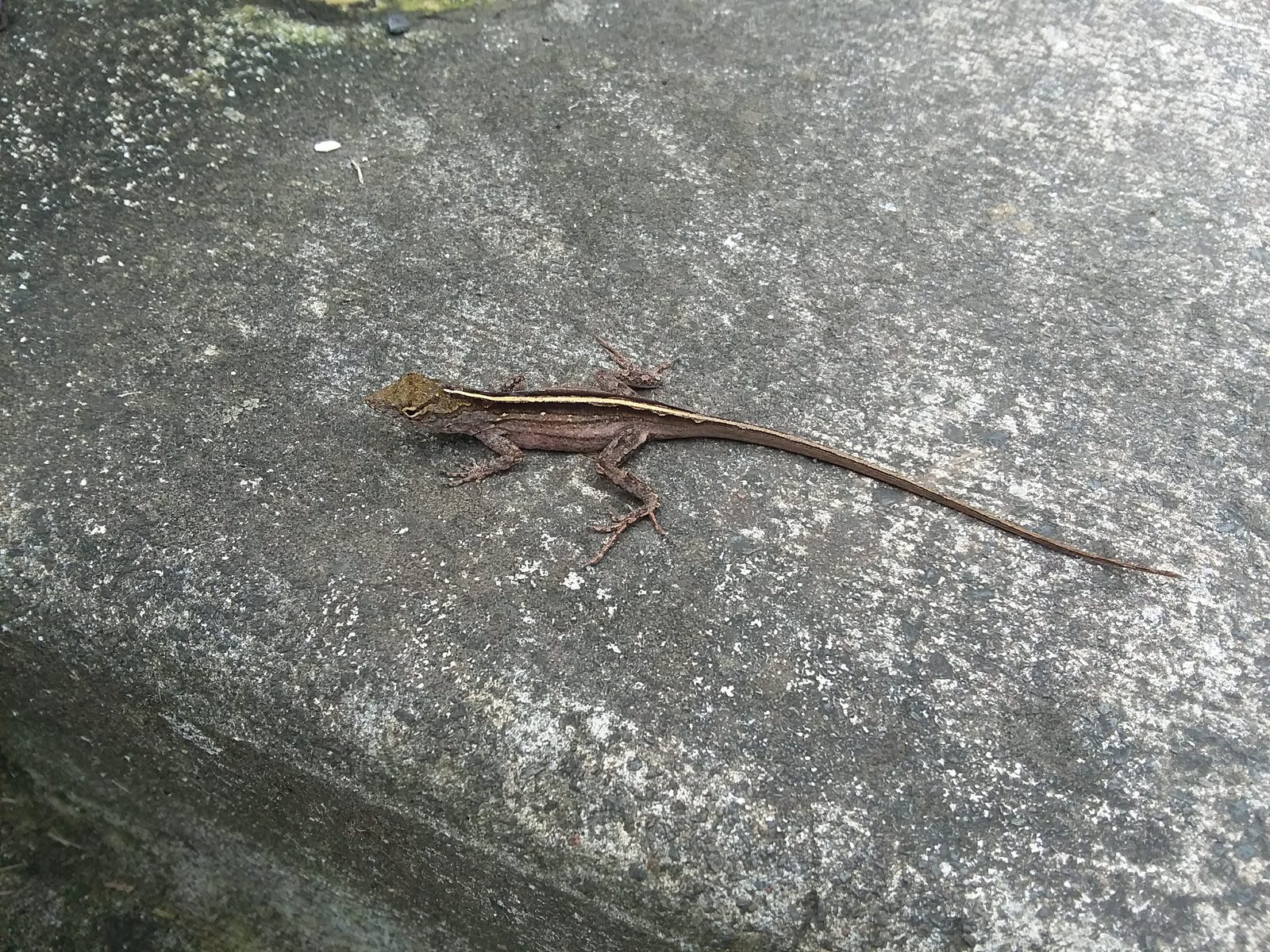
Ranch wildlife, small division.
Four thousand acres of valley, pasture, and jungle between the Ko'olau cliffs and Kaneohe Bay - Kualoa is the working ranch that Hollywood rents when a movie needs the Jurassic look. Jurassic Park and Jurassic World, Jumanji, Kong: Skull Island, and Godzilla all filmed in this valley, and the movie sites tour is the ranch's signature run.
Beyond the movies: horseback rides, ATV Raptor tours, a zipline through the canopy, e-bike rides, and a catamaran out to the ranch's private beach and ancient fishpond. Book ahead - the popular tours sell out days in advance - and pair it with the Chinaman's Hat viewpoint across the road at Kualoa Regional Park.
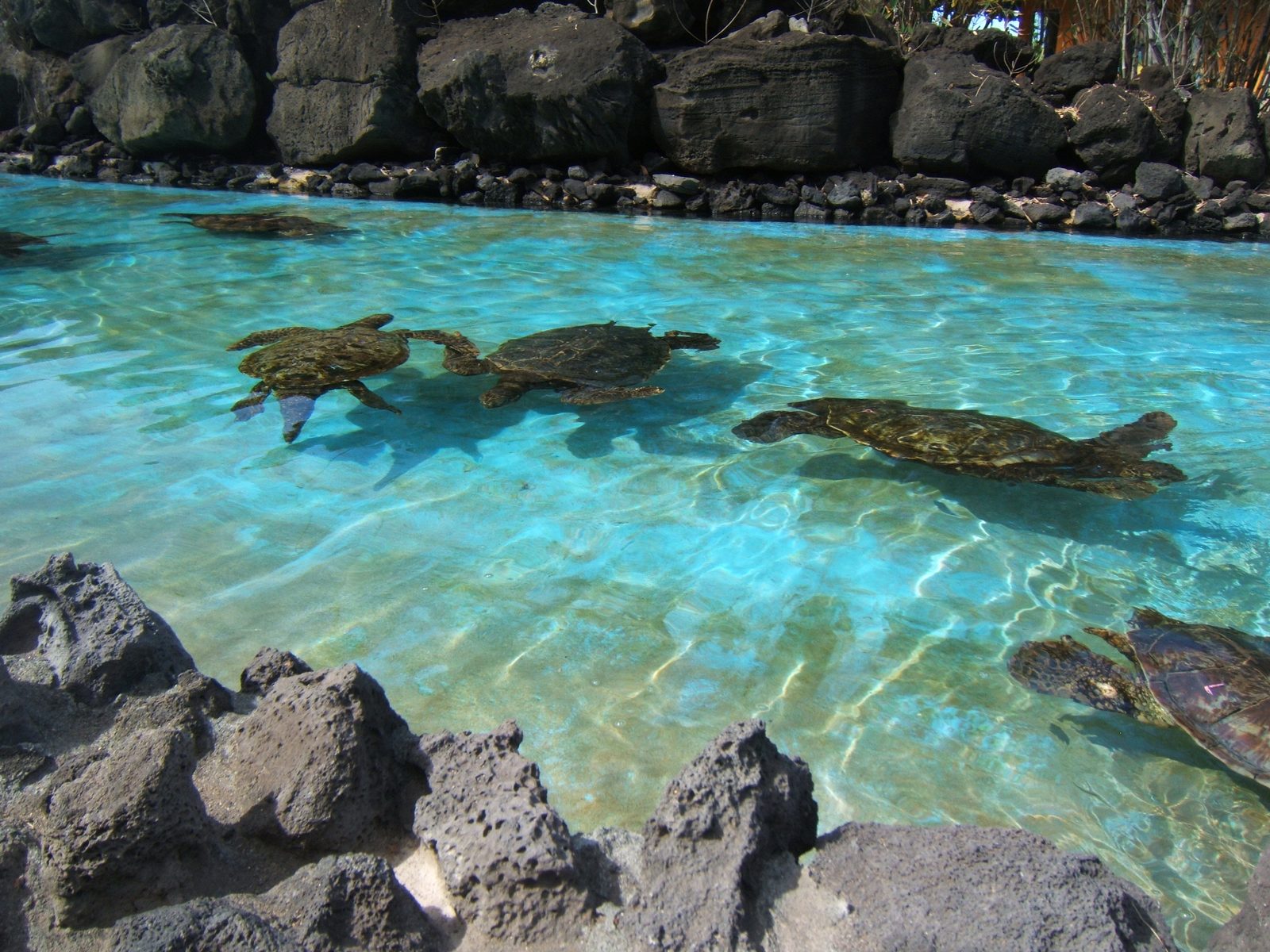
The turtle lagoon — honu in water this clear.
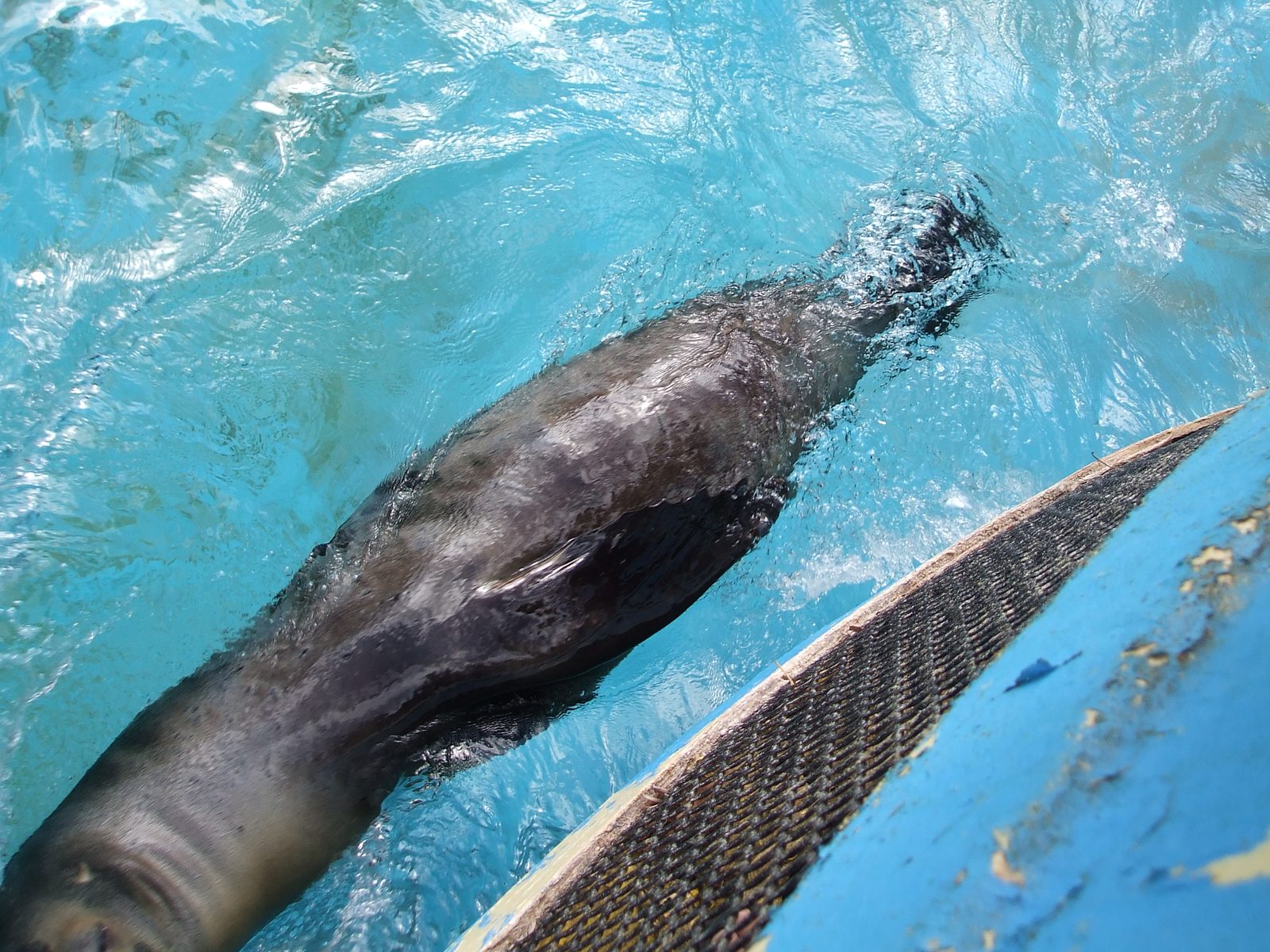
A monk seal takes a lap.
A classic Hawaii marine park tucked between the cliffs and the sea at Makapu'u - dolphin and sea lion shows, a shark cave, penguins, and a seabird sanctuary, all in a setting most aquariums would kill for: the ocean is right there, doing its own show behind the tanks. The park has been part of Hawaii childhoods since 1964.
It's a half-day park, not a full-day one - which is exactly its charm. Do the morning here, then lunch in Waimanalo and the beach after. Note the schedule before you drive out: the park is CLOSED ON TUESDAYS, and parking is cashless. The park is also famous as the longtime home of a wholphin - a rare whale-dolphin hybrid, the only one of its kind in the world.
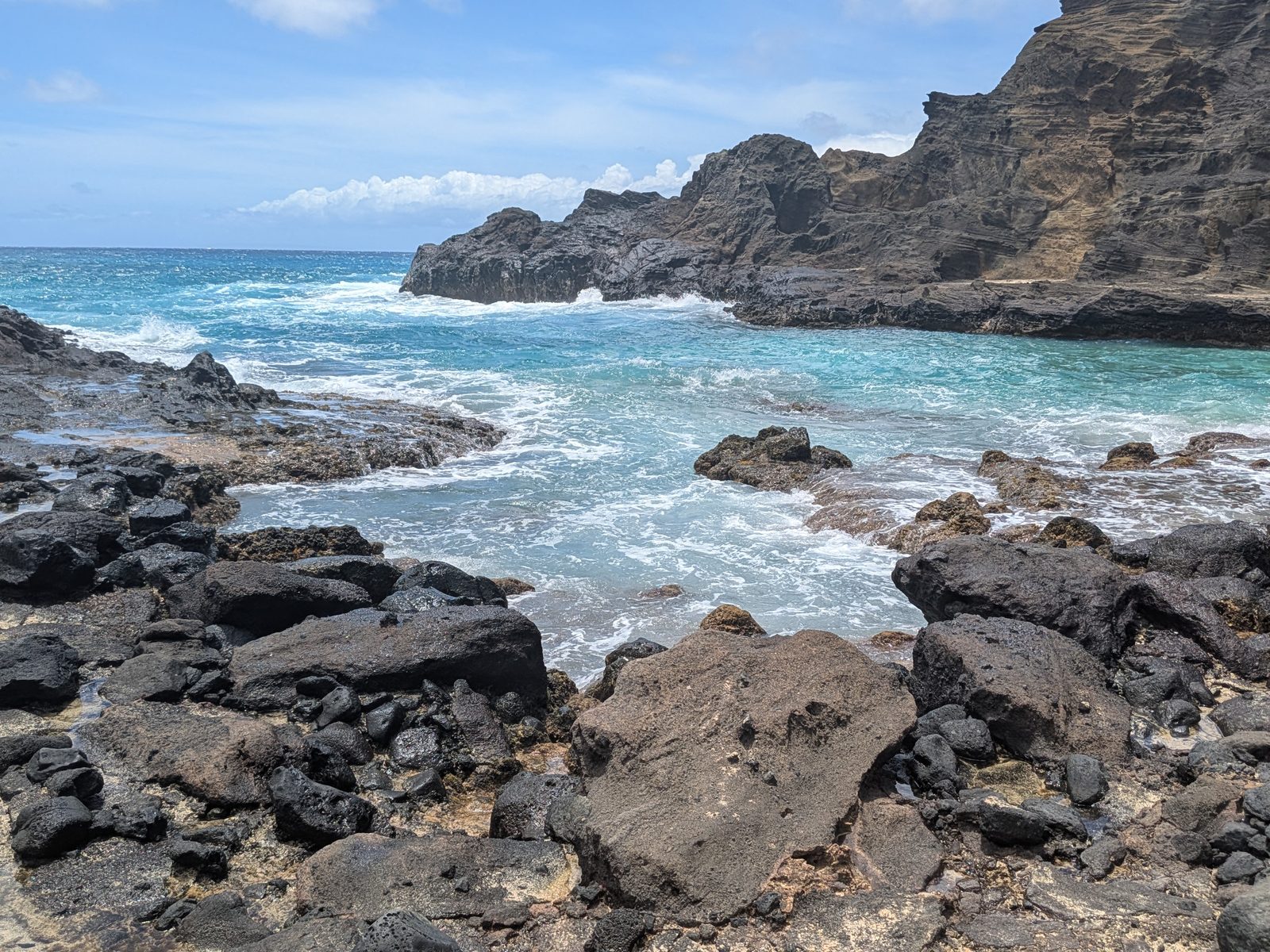
The rocky coast below the lookout — this surf is the engine.
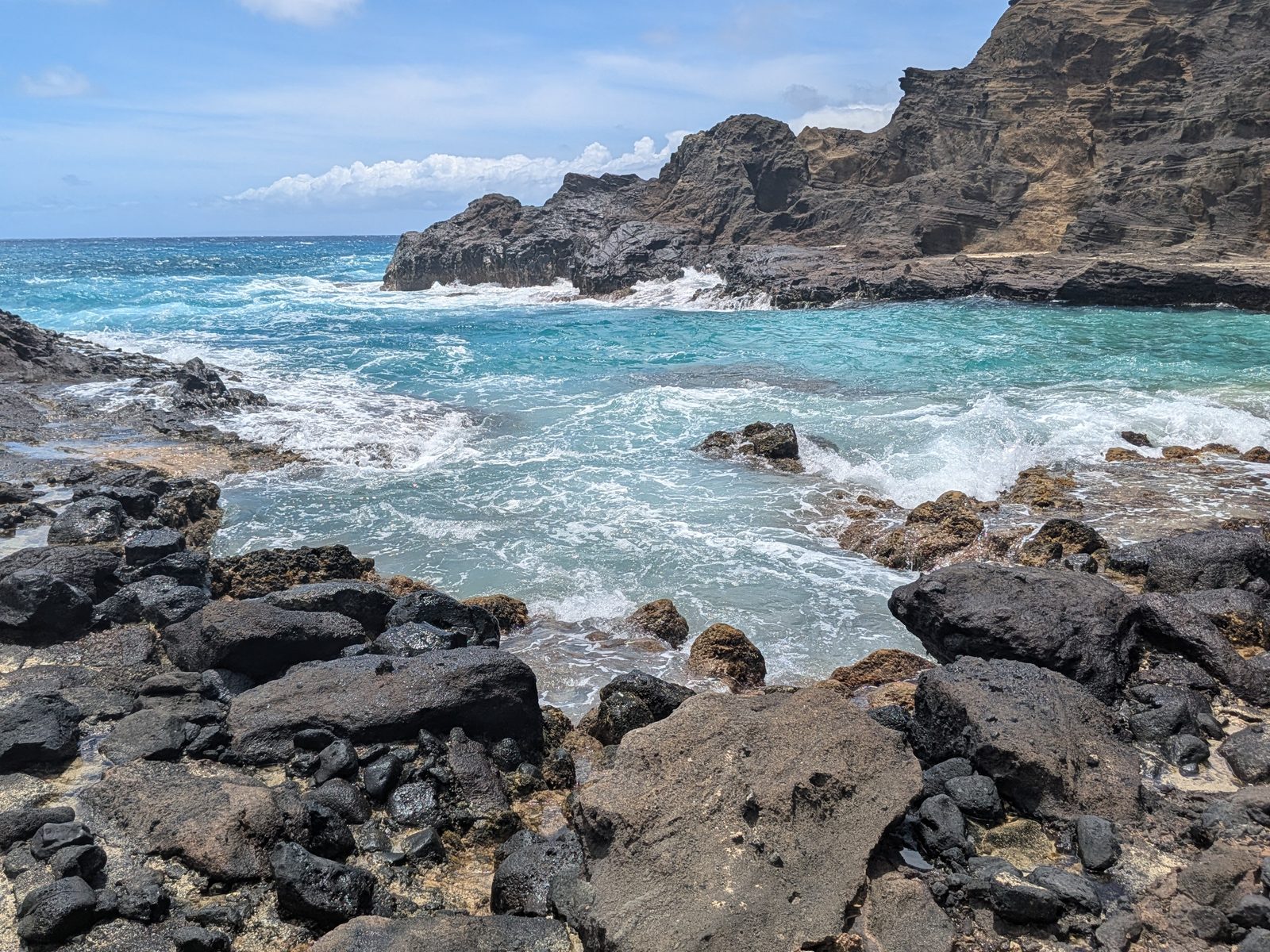
Wave after wave, charging the lava tube.
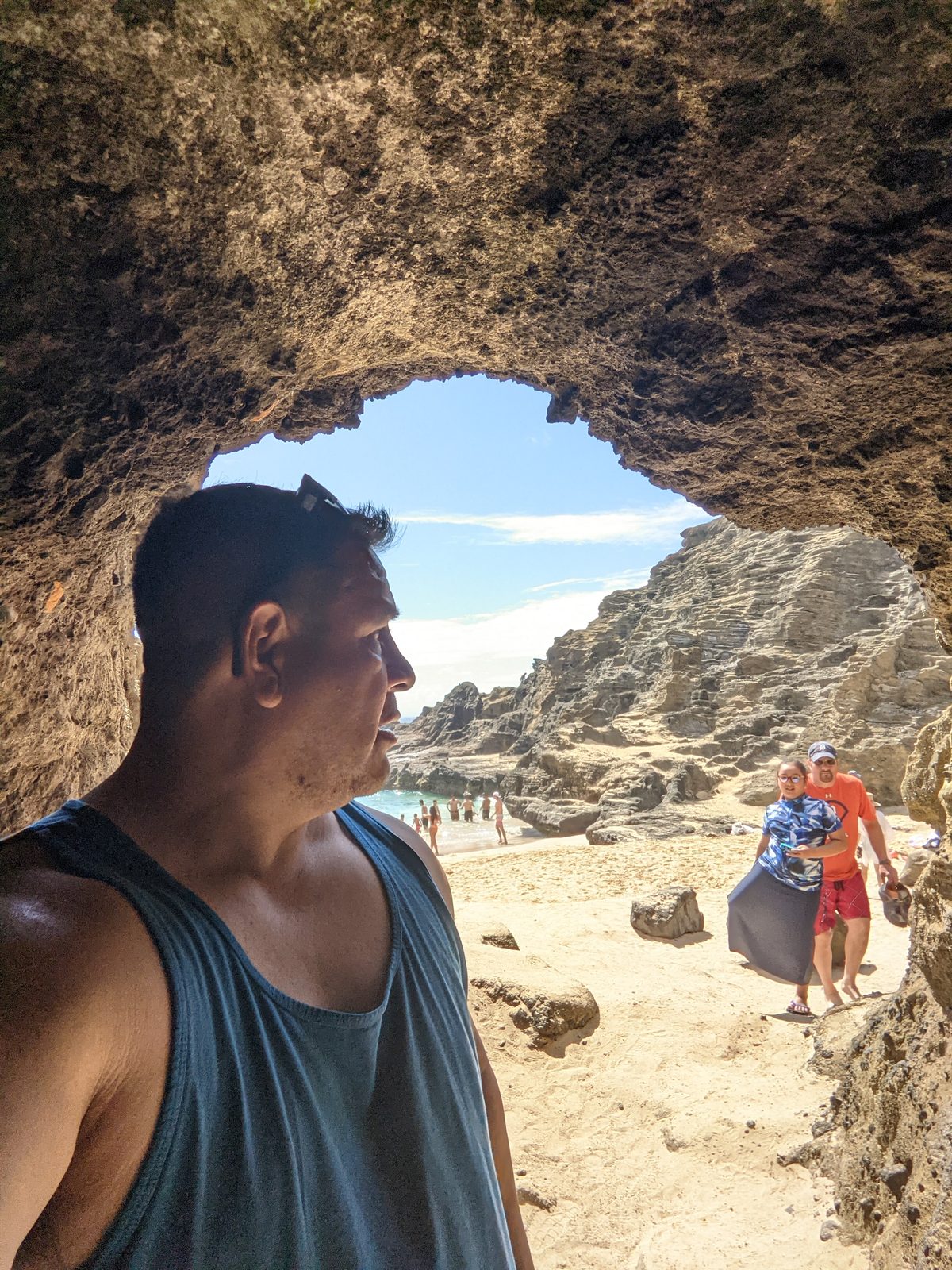
Inside the lava tube that feeds the blowhole.
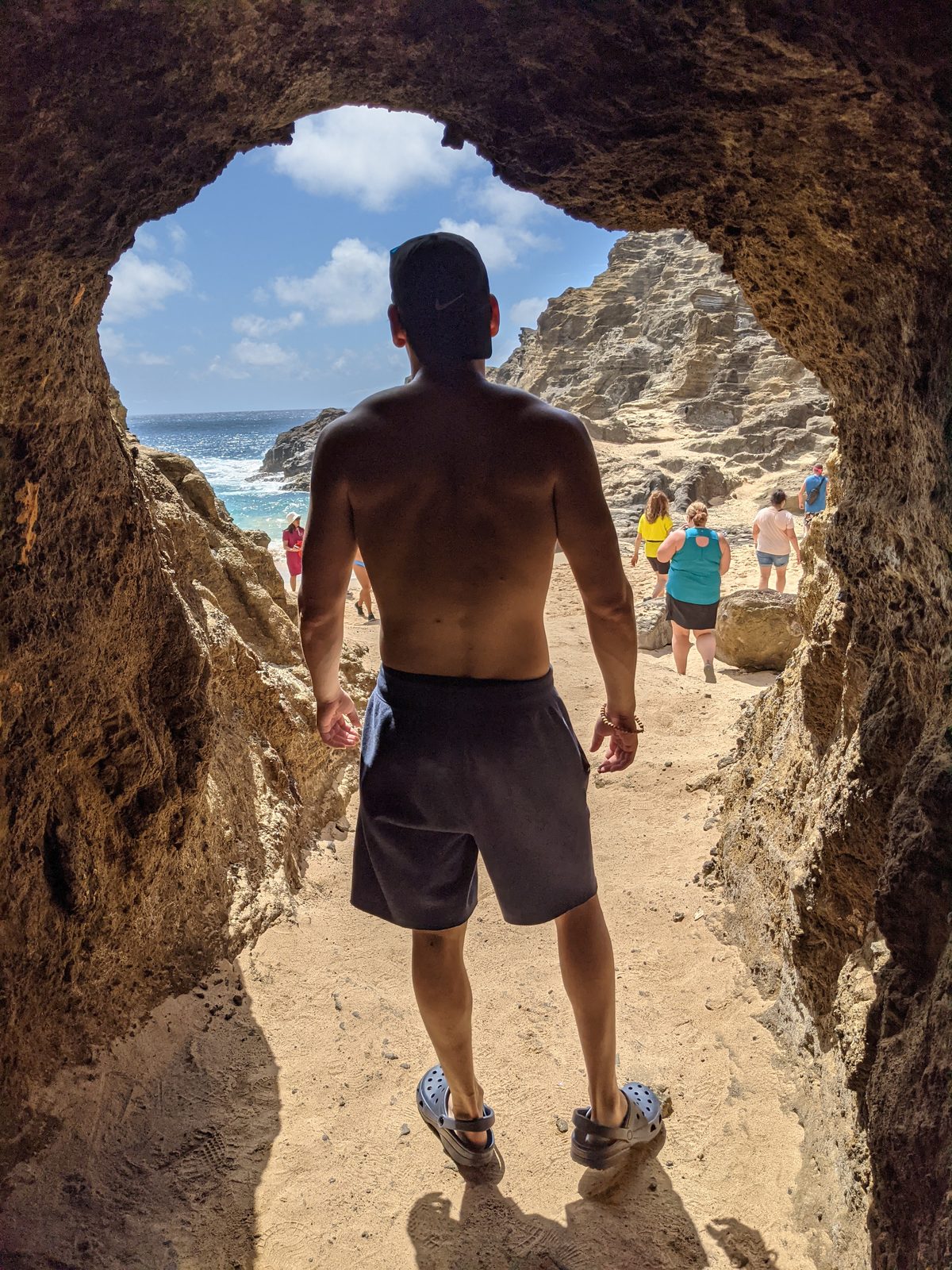
The arch frames the cove.
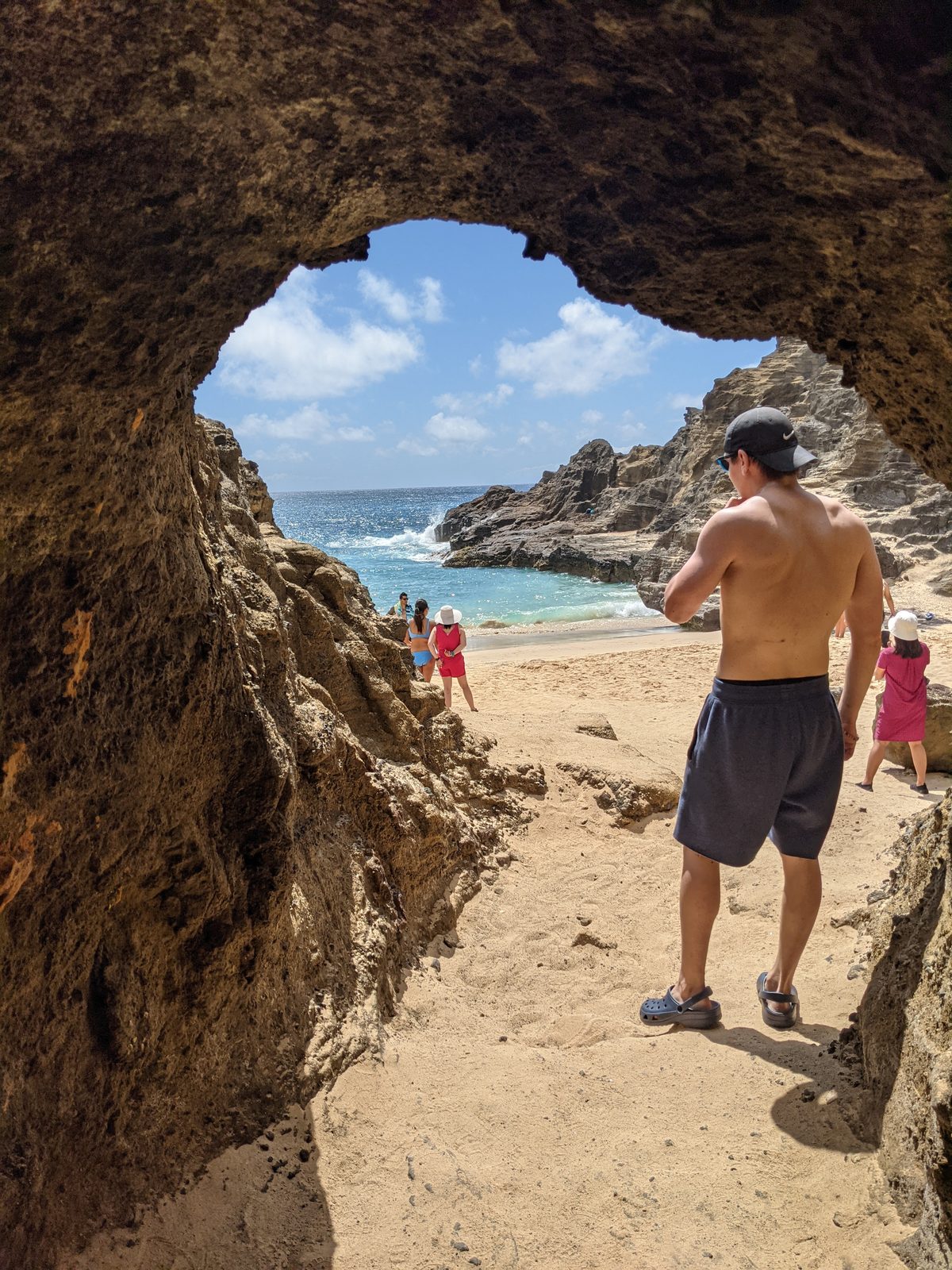
Out of the tube, onto Eternity Beach.
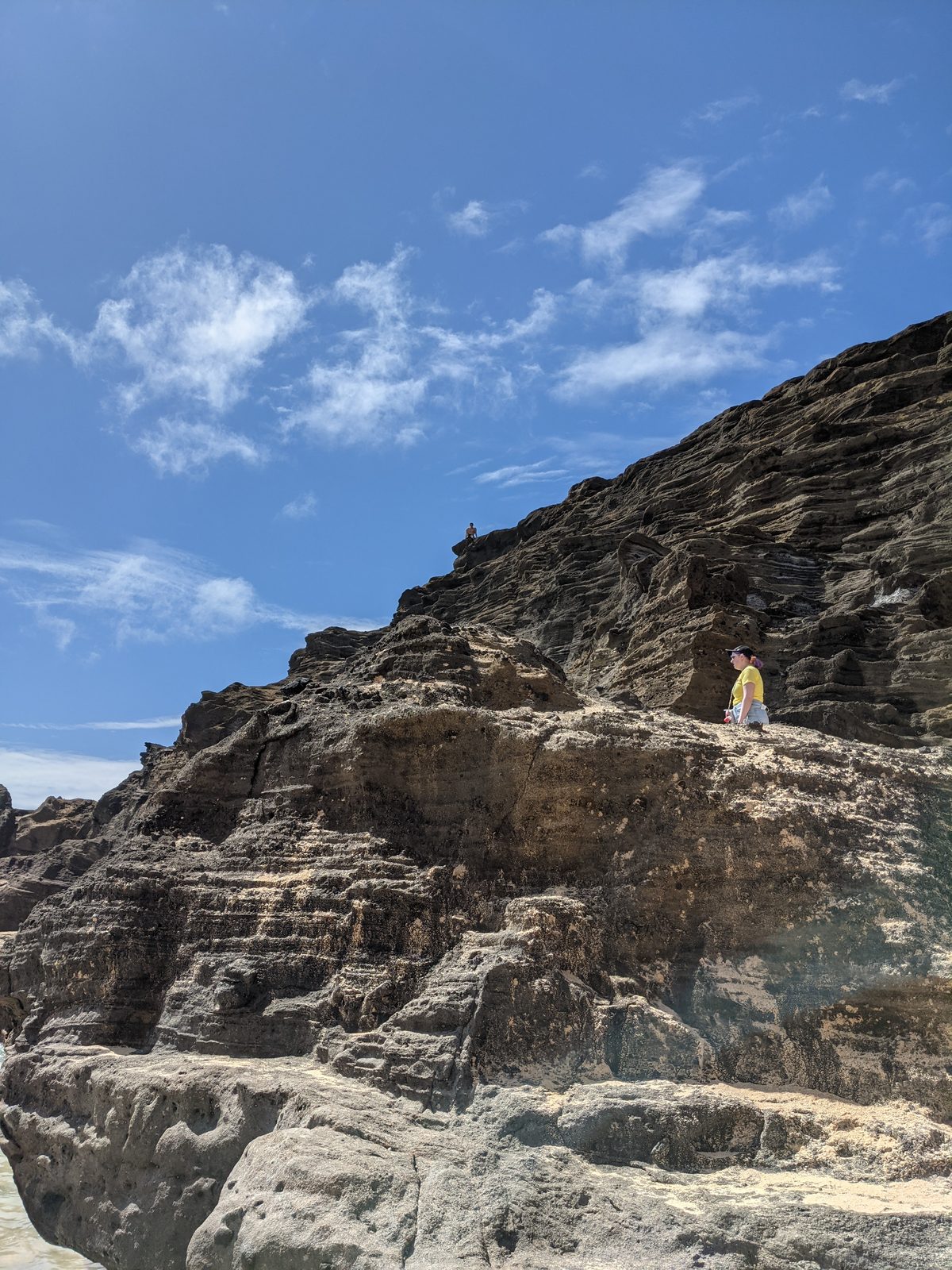
The layered cliff the lookout stands on.
An ancient lava tube runs from the ocean into the cliff below this roadside lookout, and when the surf is up, the pressure fires the seawater 30 feet into the air. The Halona Blowhole is a five-minute stop with a stadium view - no ticket, no hike, just pull in and watch the ocean breathe.
The cove tucked beside it, Halona Beach Cove, is famous in its own right - the beach from the 1953 film From Here to Eternity. Stay behind the rails at the blowhole: the rocks are wave-swept and people have been lost here reaching for a closer look. The lookout view is the whole show, and it's a good one.
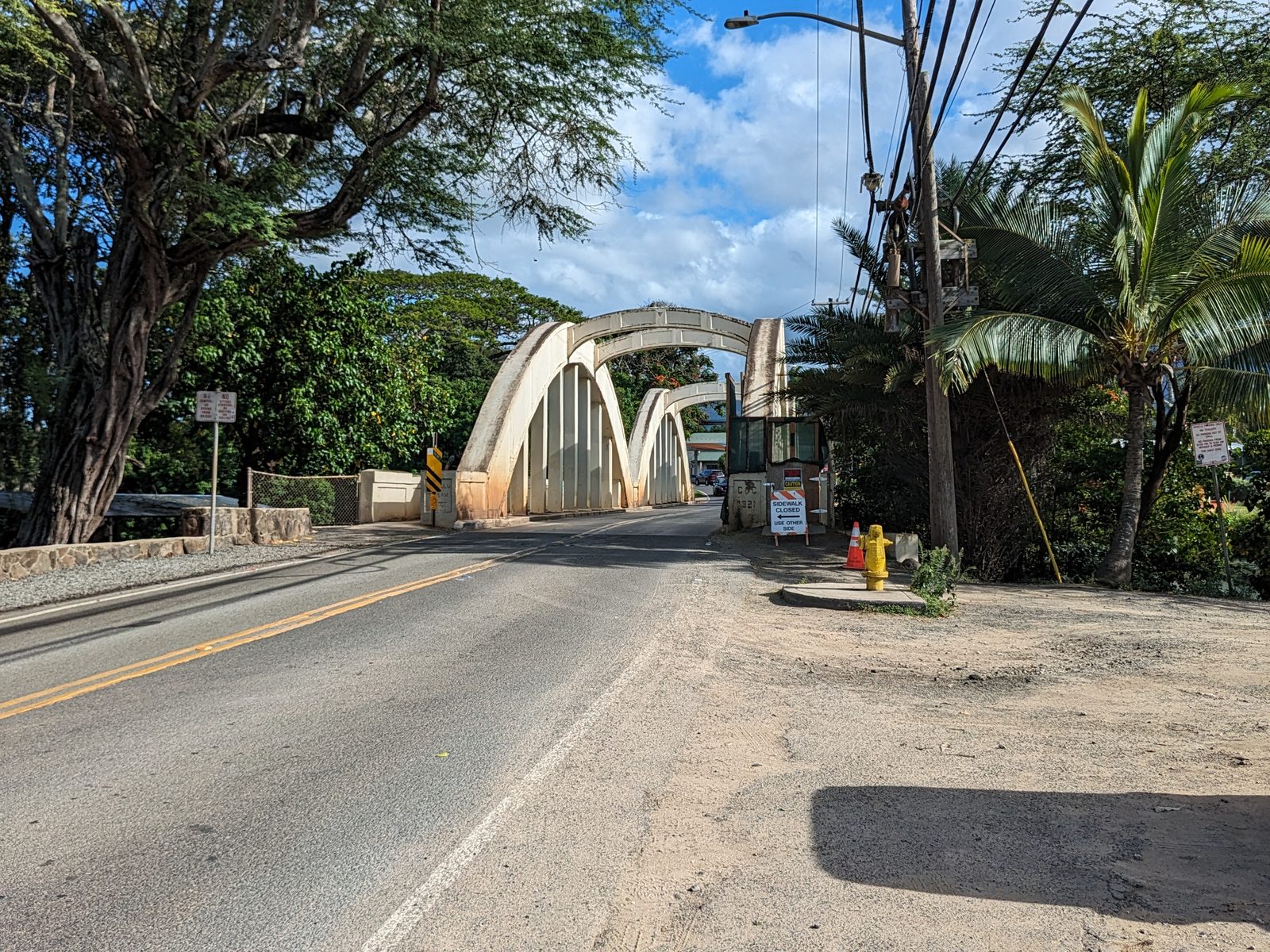
The rainbow bridge — Haleiwa's front gate.
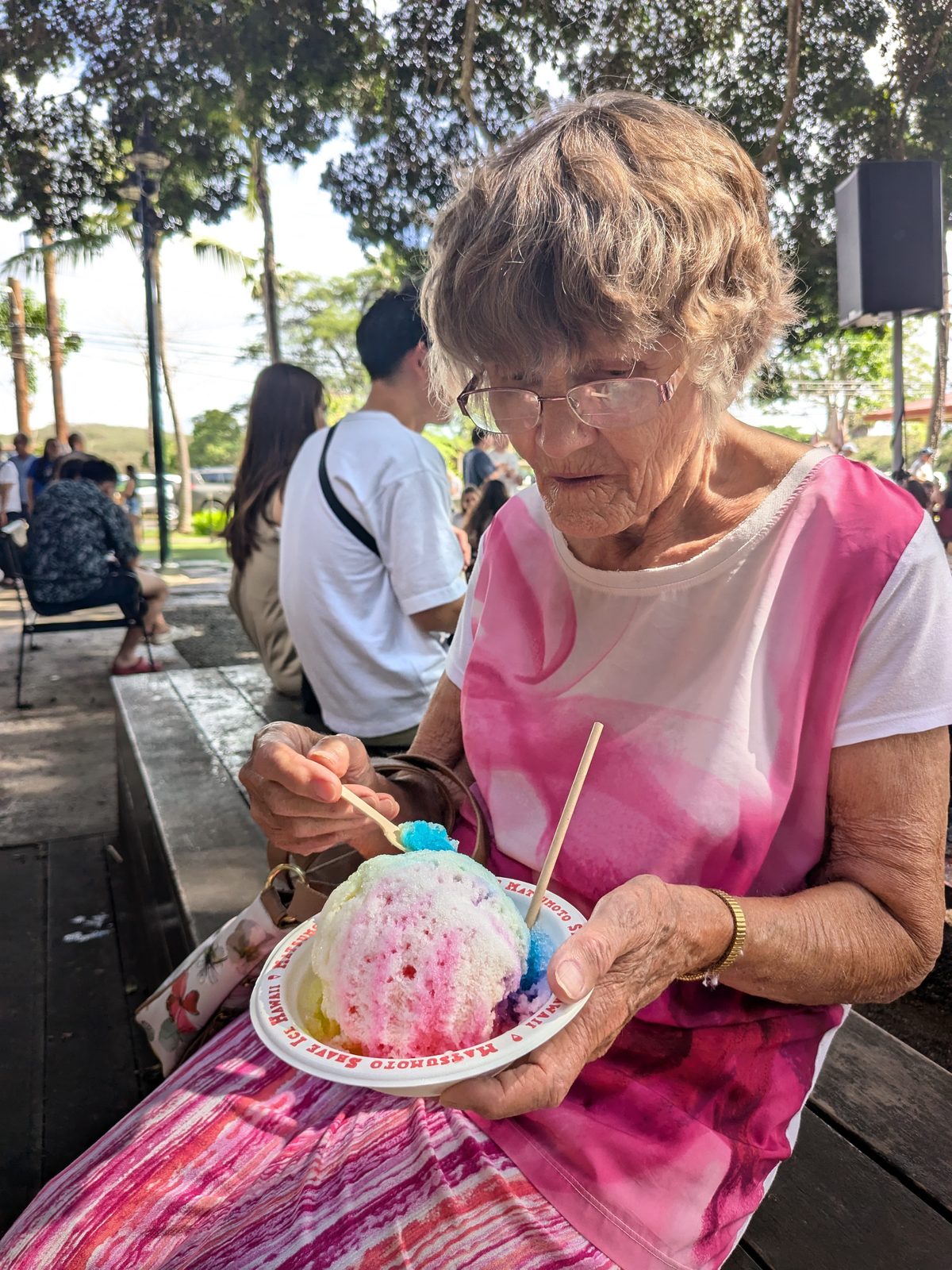
Matsumoto's rainbow, done right.
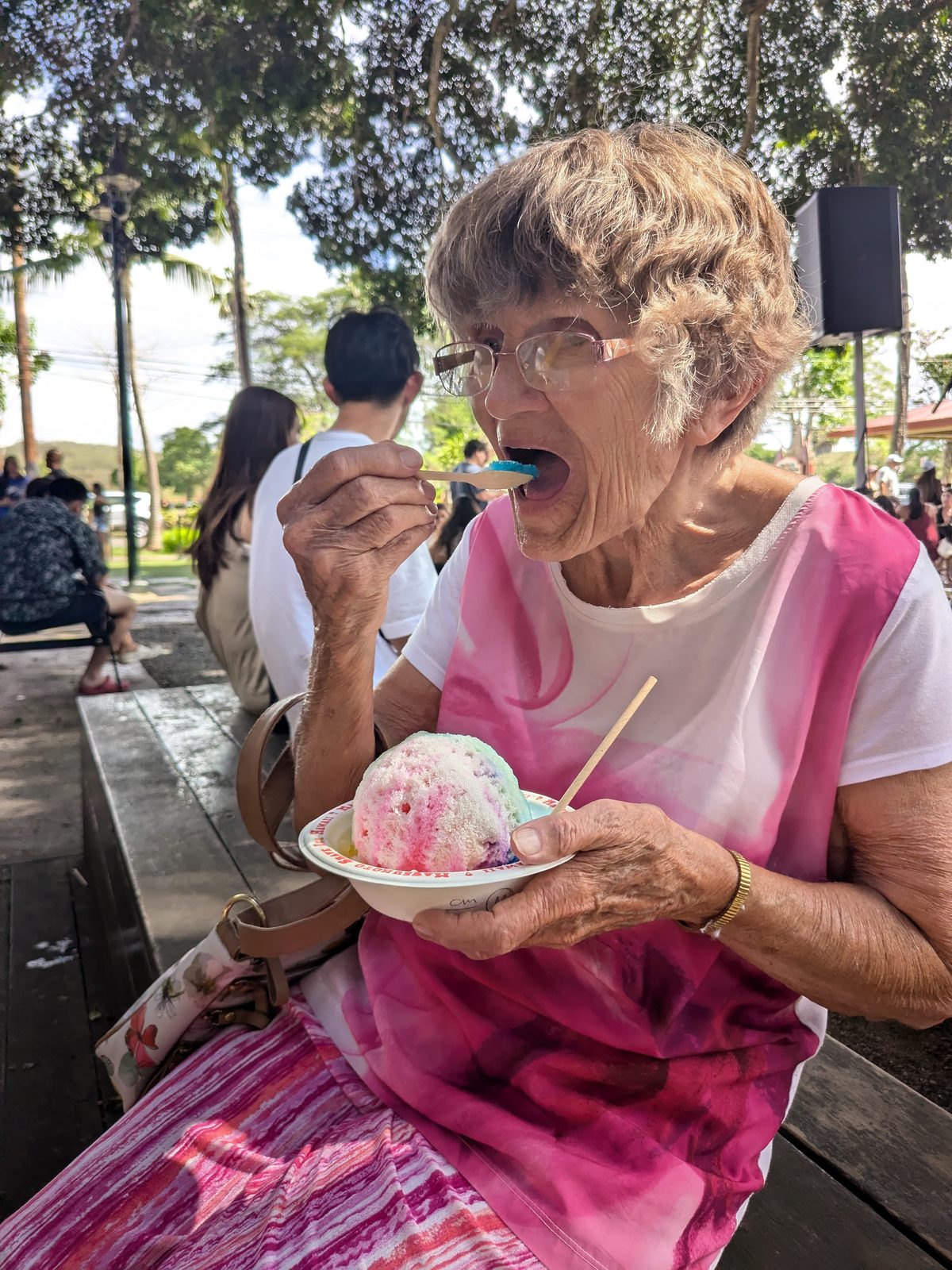
First bite. No regrets.
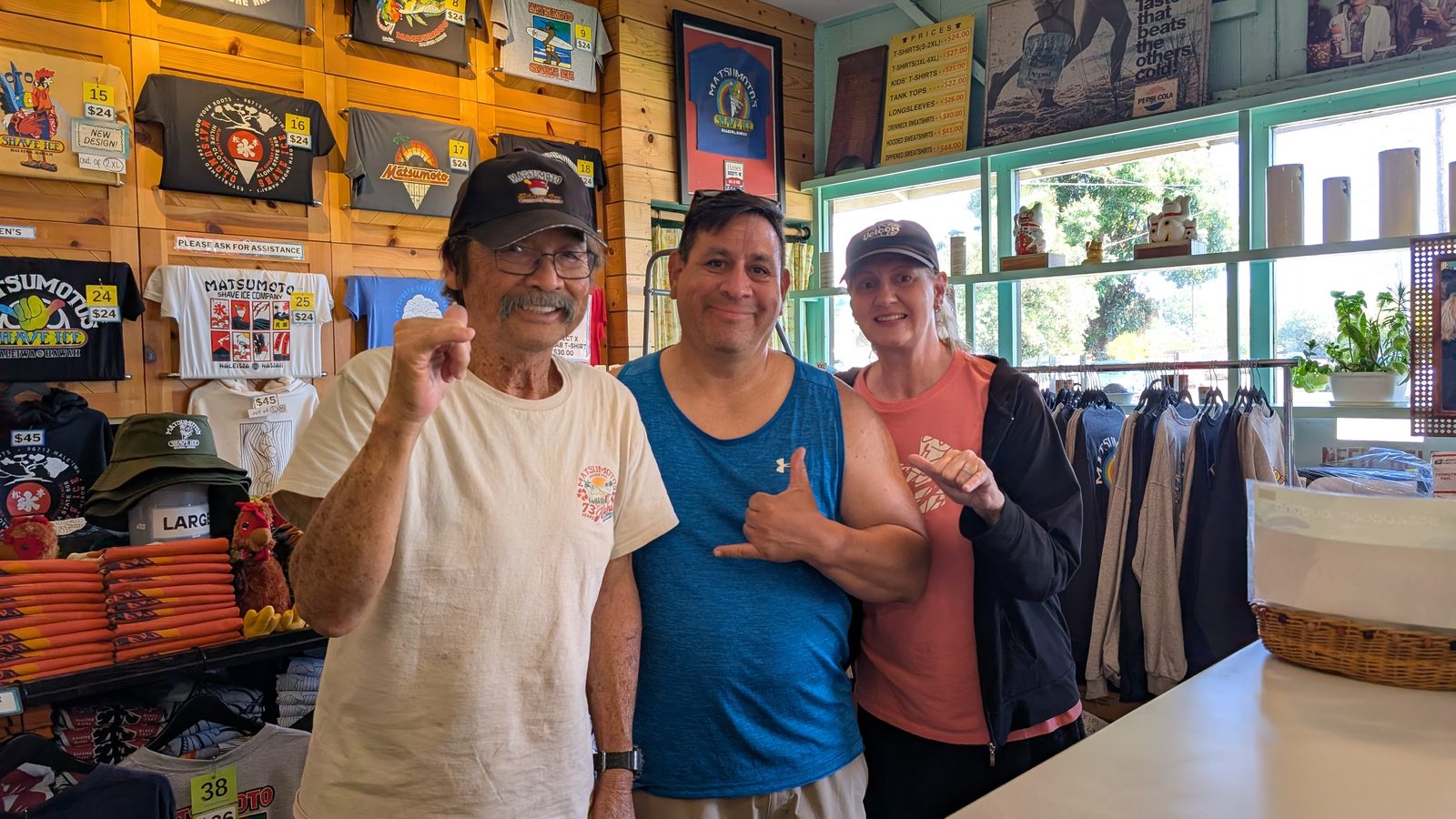
Surf-shop browsing, Haleiwa style.
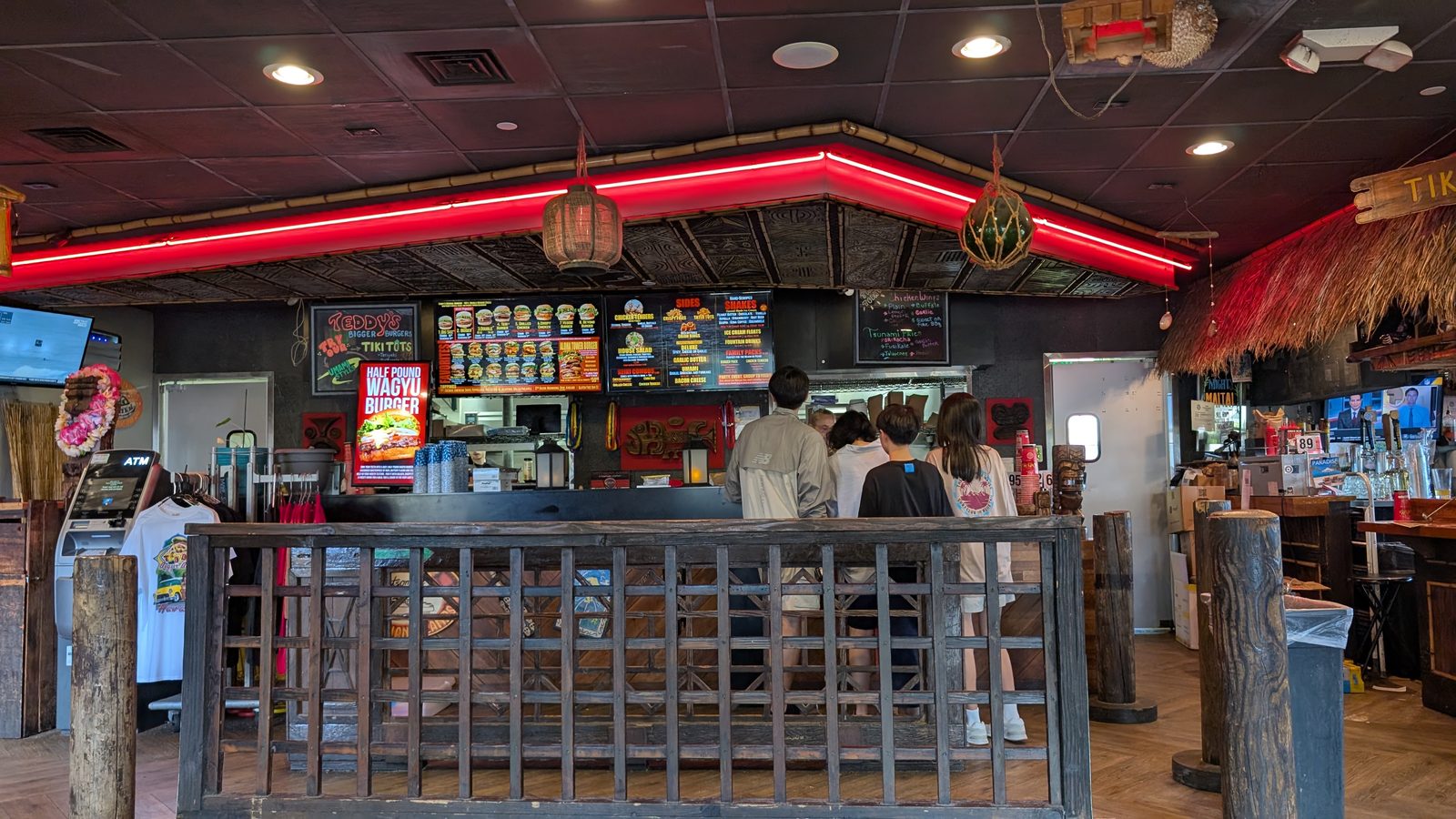
Order at the counter, Haleiwa style.
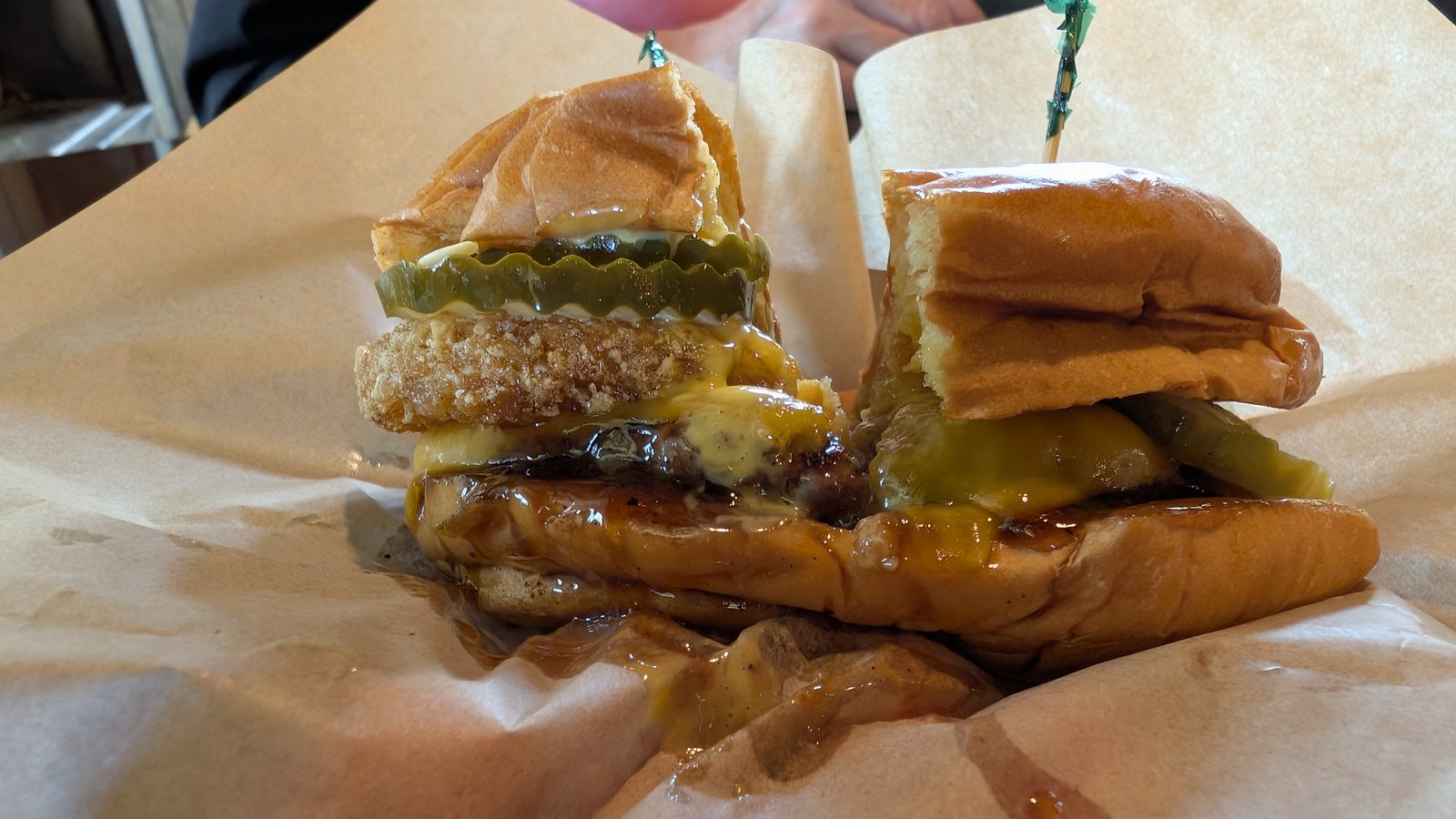
Lunch break, North Shore edition.
The North Shore's front porch: a low, weathered main street of plantation-era storefronts along Kamehameha Highway - surf shops that have outfitted legends, art galleries, shrimp trucks nearby, and shave ice royalty at Matsumoto's. Haleiwa runs on surf time; nothing here is in a hurry, including you.
Park once and walk it end to end. In winter the town hums with the surf contest crowd; in summer it's the jumping-off point for slow afternoons at the beach parks on either end of town. If the North Shore has a living room, this is it.
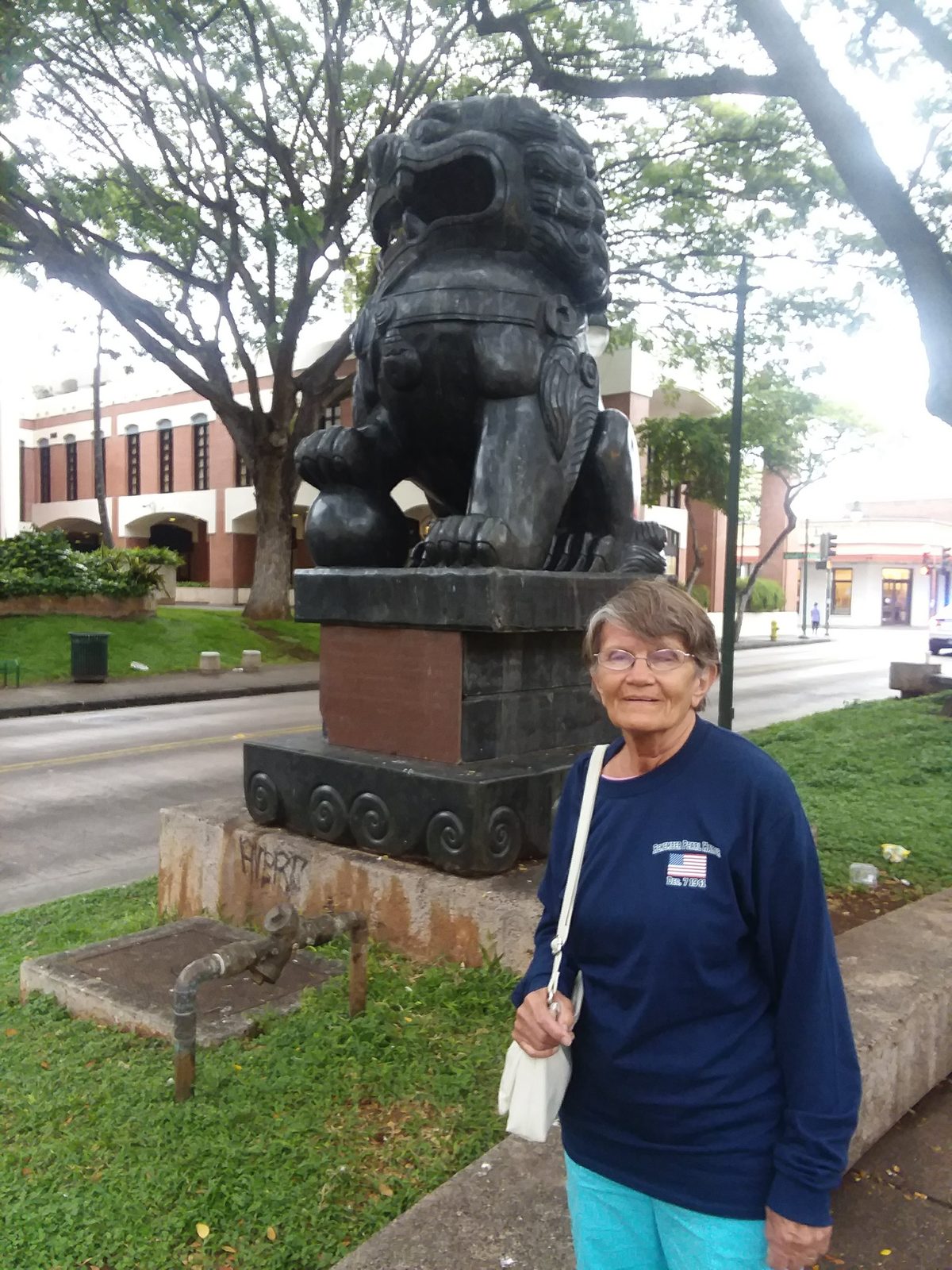
The guardian lion keeps watch over the neighborhood.
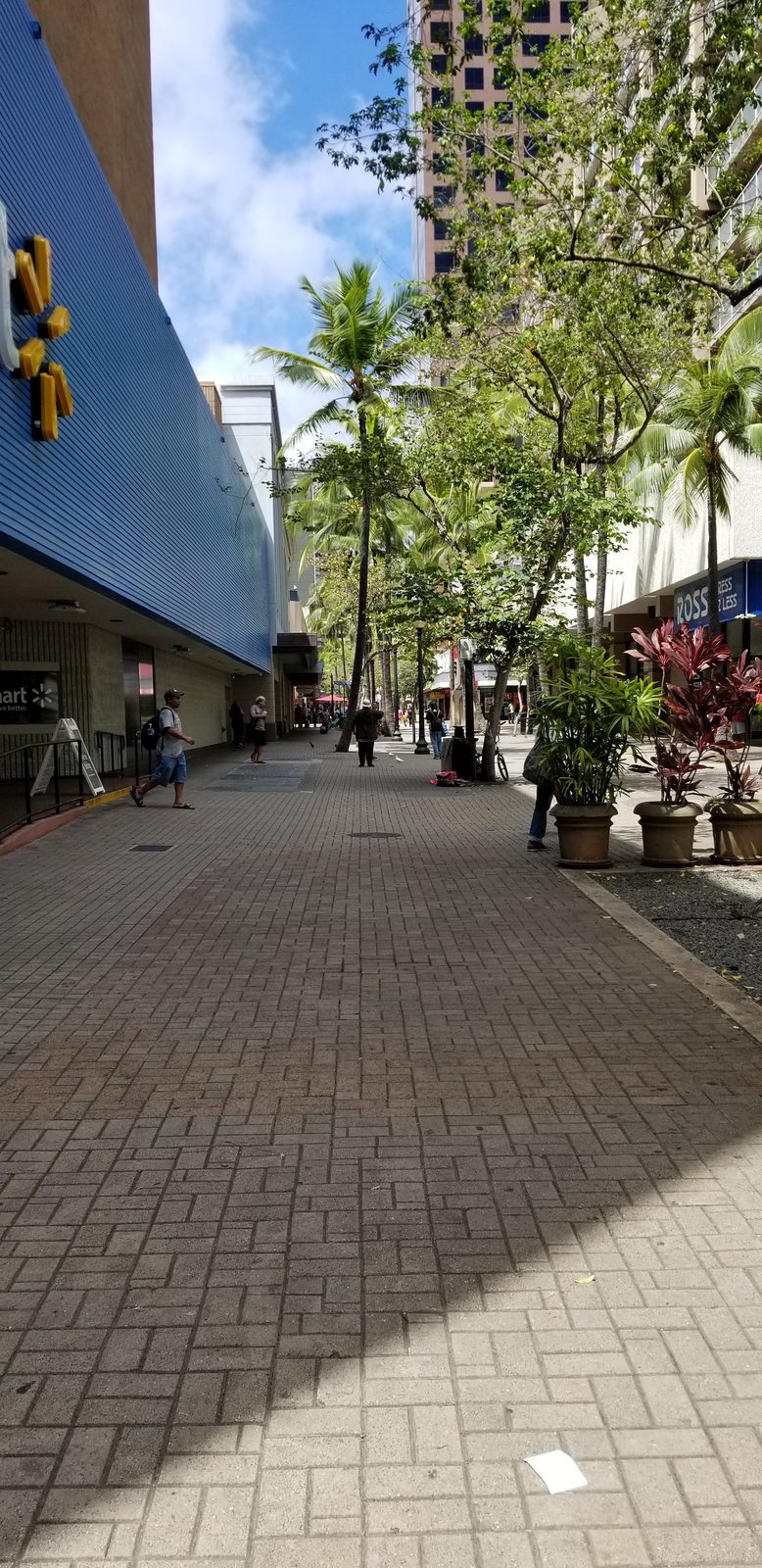
The Fort Street Mall end of the neighborhood.
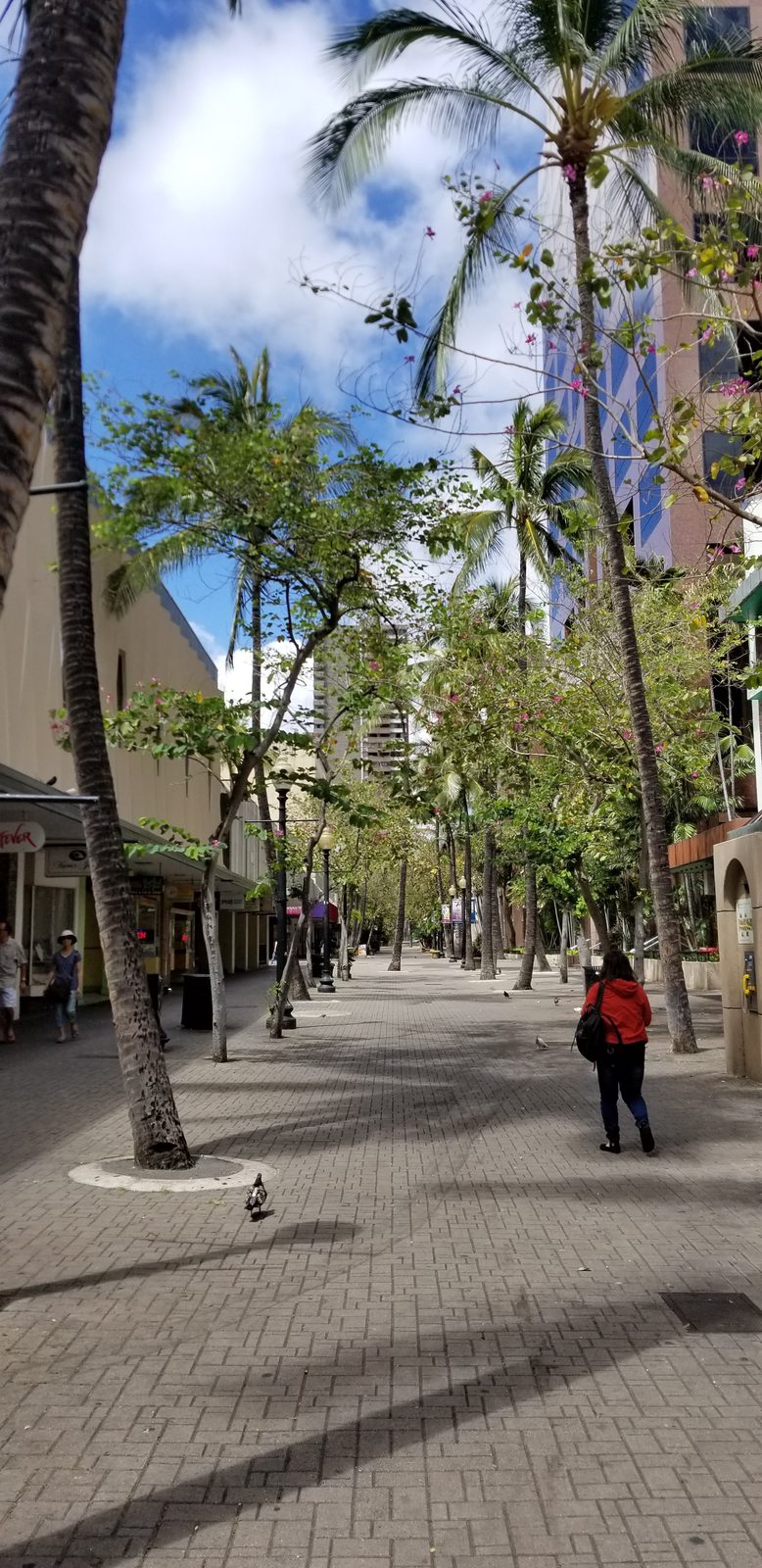
Palms and brick on Fort Street Mall.
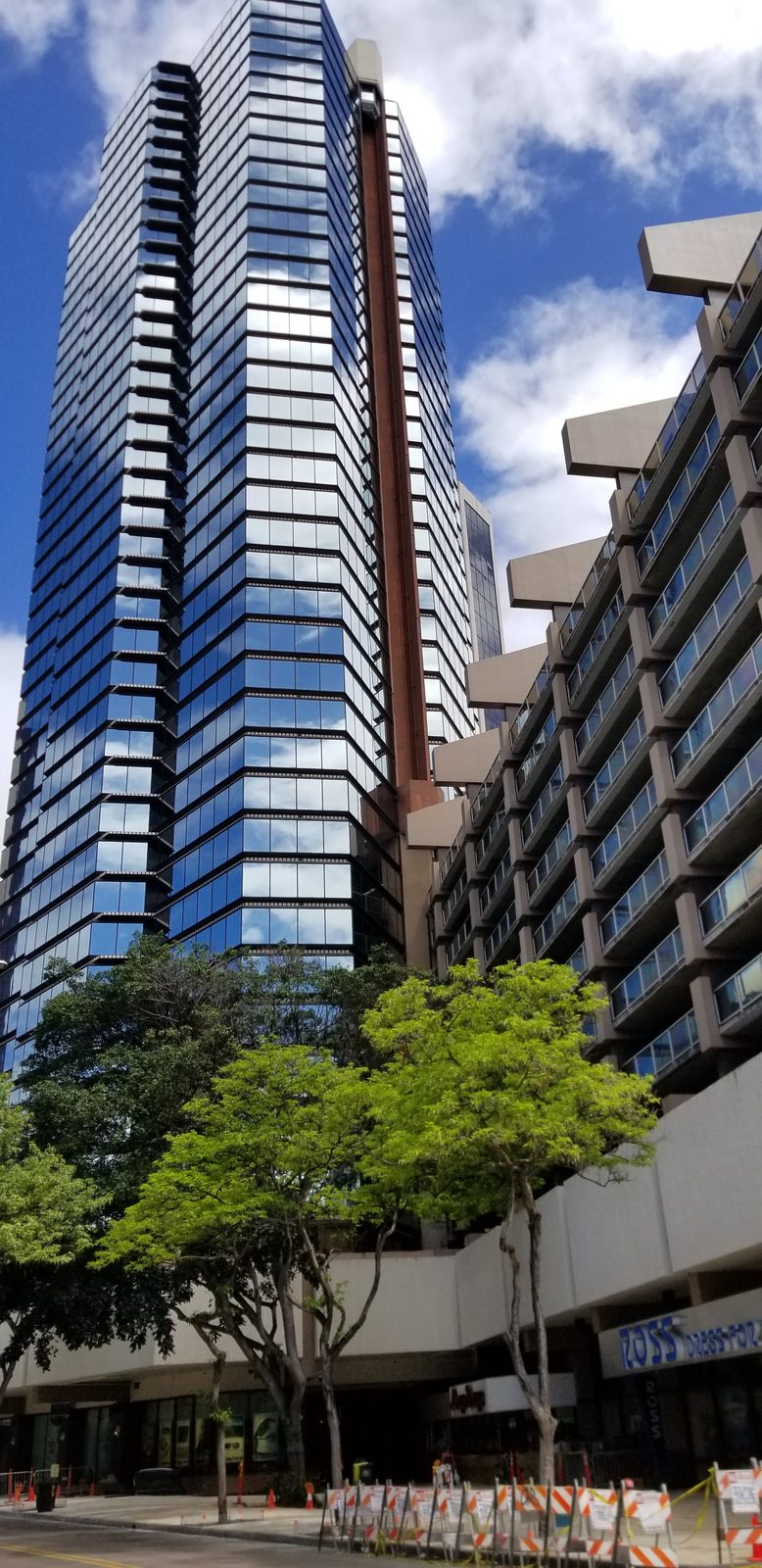
Downtown towers over the old neighborhood.
A few blocks from the harbor, Honolulu's Chinatown is one of the oldest in the United States - a working neighborhood of open-air markets, lei shops strung with orchids, noodle houses, and herbalists, wrapped in century-old brick. It grew up around the harbor trade in the late 1800s and rebuilt itself after the fires of 1886 and 1900 tried to erase it.
Come in the morning for the markets at their loudest and freshest - the Oahu Market has anchored the corner since 1904 - pick up a lei on Maunakea Street, and stay for lunch. If you're here on the first Friday of the month, the galleries and bars of the arts district side stay open late.
If Waikiki is Hawaii turned up loud, Kailua is the island at home: a windward beach town of low buildings, local boutiques, and cafes where the line is residents, not tour groups. Kailua Beach and the Lanikai Pillboxes are right next door.
Give it a slow morning: coffee, the boutiques along Kailua Road, breakfast at Cinnamon’s, and the Thursday evening farmers market behind Longs.
📷 Pictures coming soon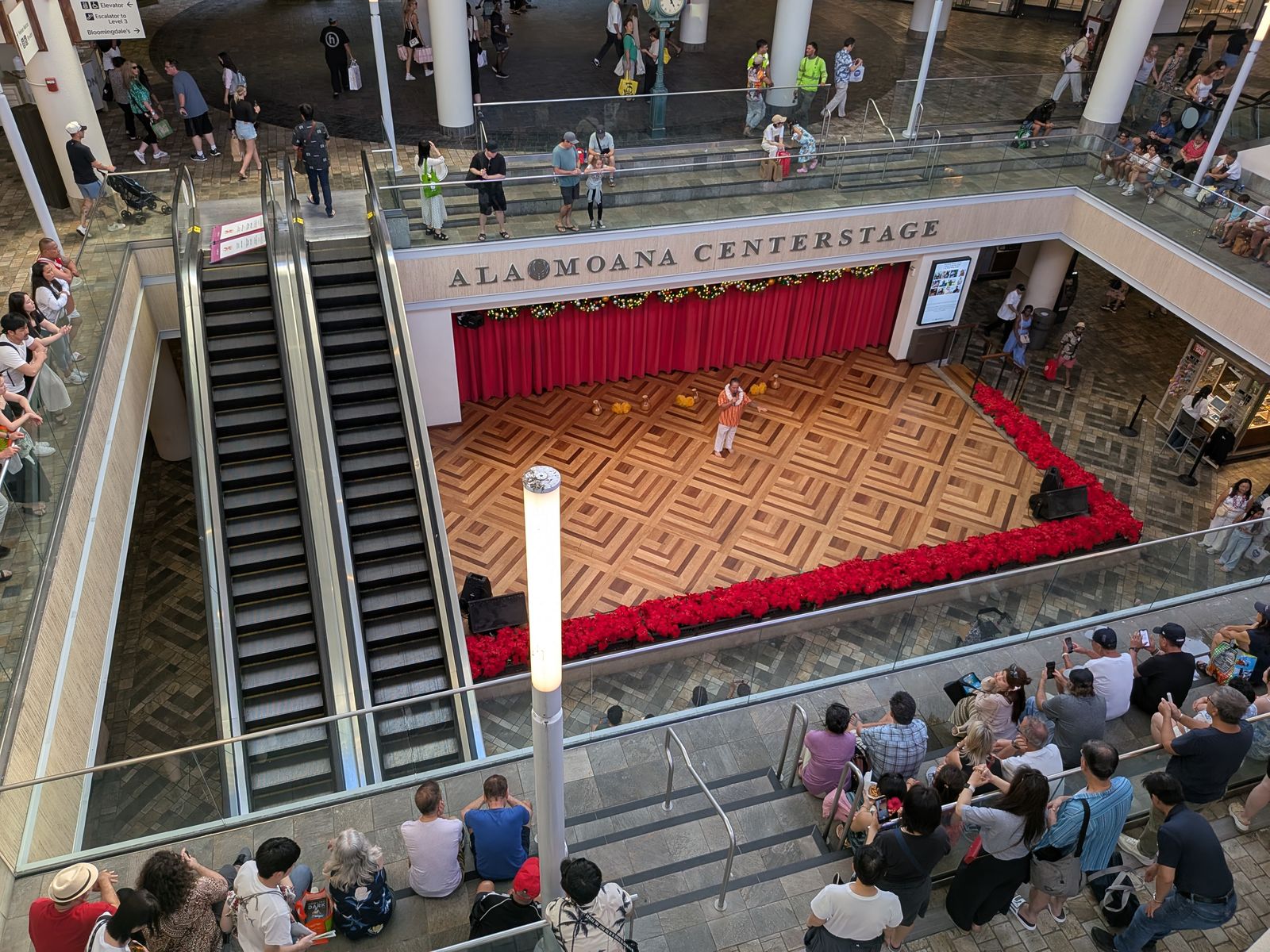
Centerstage from above — the mall’s free daily hula show.
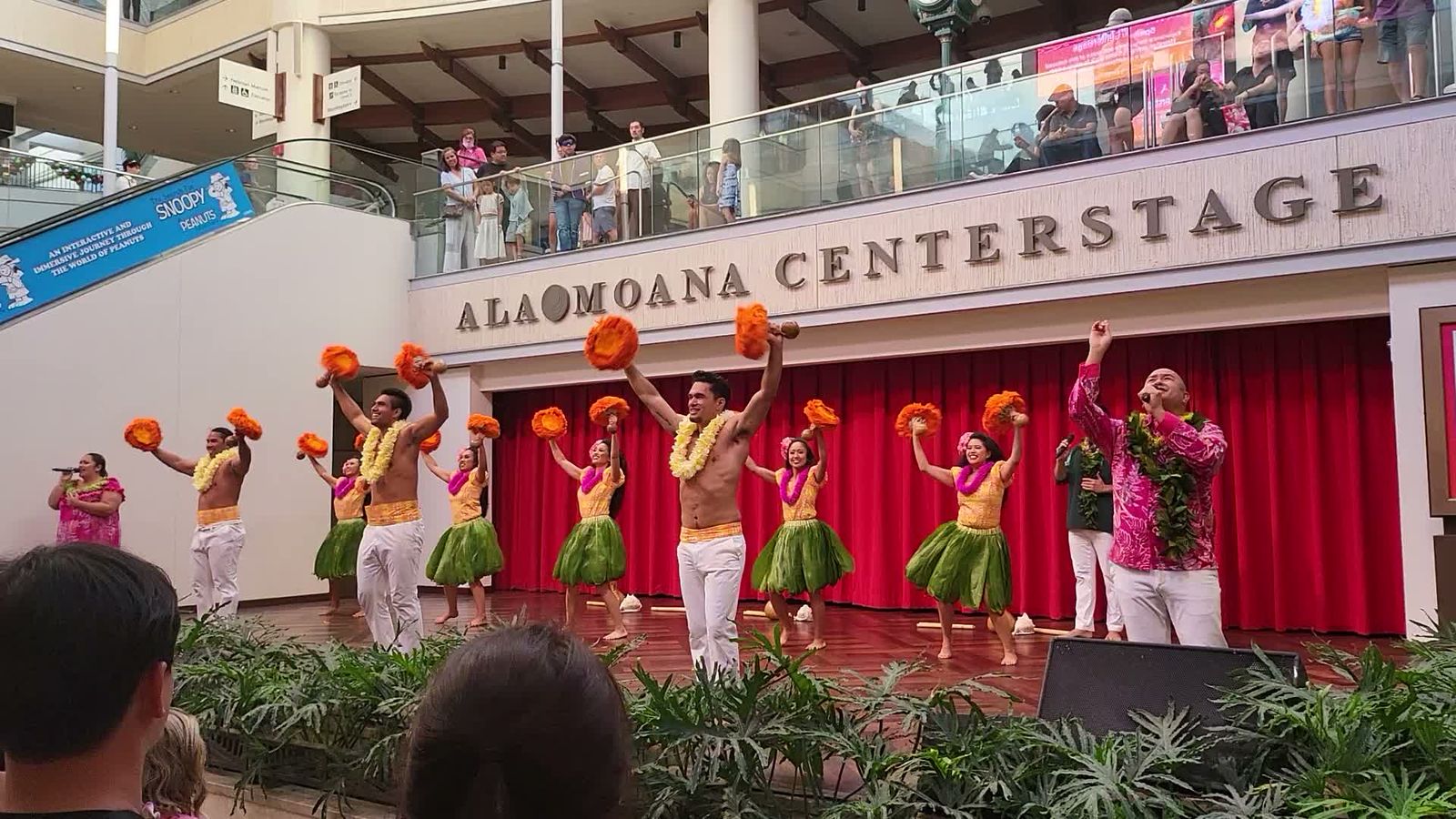
Hula dancers with ‘uli‘uli at Centerstage.
The largest open-air shopping center in the United States sits in Honolulu, at the west end of Waikiki.
Its Centerstage hosts a free daily hula show, which this site covers over on the Waikiki page: Ala Moana Center — Centerstage Hula.
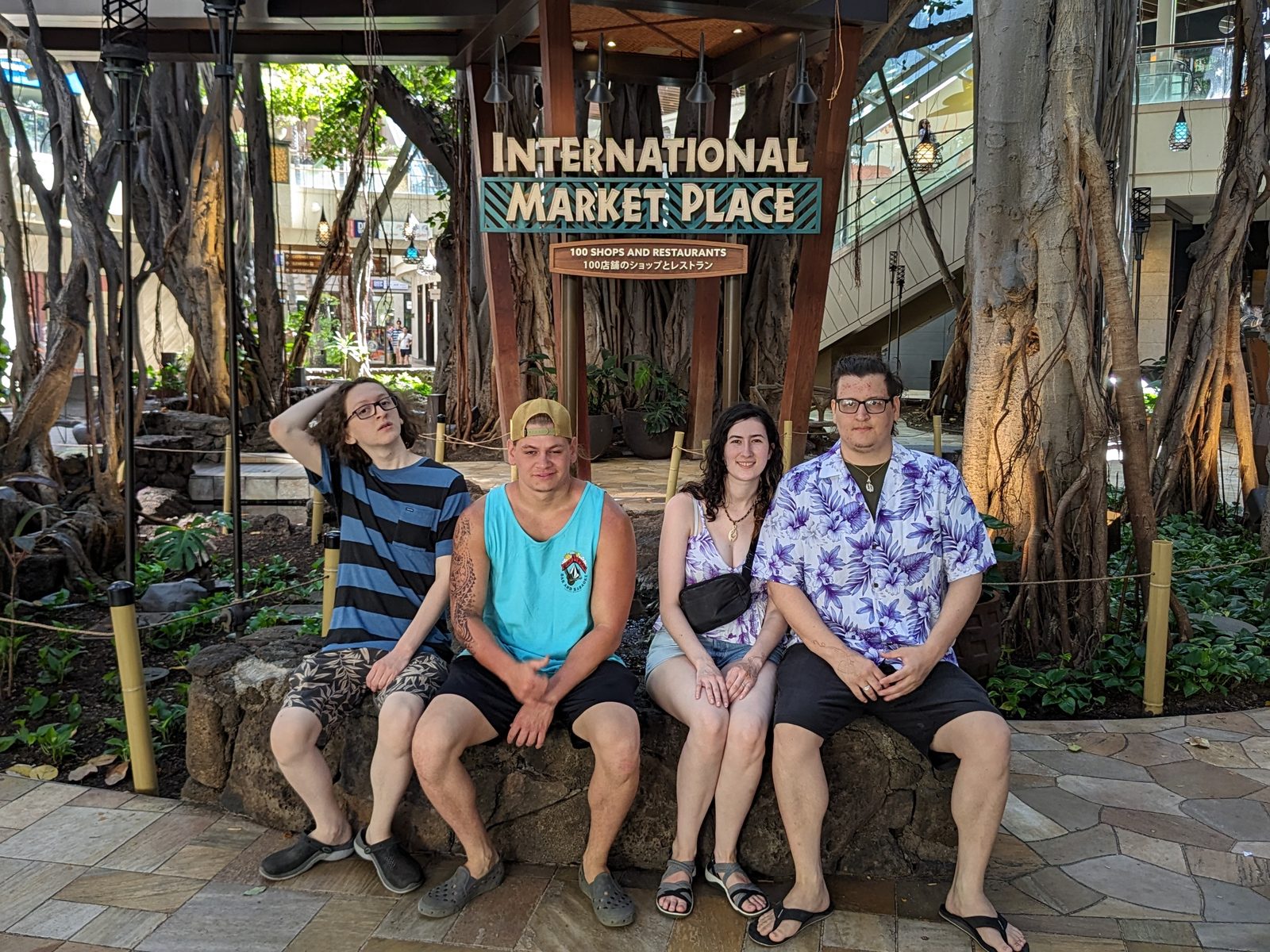
Under the banyan, at the market place sign.
An open-air shopping center on Kalakaua Avenue in the heart of Waikiki, built around a great banyan tree.
At sunset the banyan hosts Sunset Stories, the market place’s hula and storytelling ceremony — covered on this site’s Waikiki page: International Market Place — Sunset Stories.
High above Honolulu, inside the Punchbowl crater, rests the National Memorial Cemetery of the Pacific — a memorial cemetery, and a place for quiet respect.
Come for the wide views from its lookout if you like — but treat it as a memorial first and a viewpoint second, and dress and speak accordingly.
📷 Pictures coming soonThe North Shore’s old-guard surf shop: Surf N Sea has outfitted surfers in Haleiwa since 1965 — boards, rentals, and lessons from the shop at 62-595 Kamehameha Hwy, right in town.
📷 Pictures coming soonShare tips, trip photos, and local secrets with fellow Oahu lovers in Michael's free Facebook group.
Join our Facebook Group